
What an Alternative Septic Maintenance Contract Solves
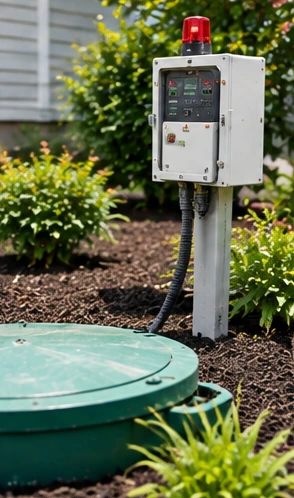
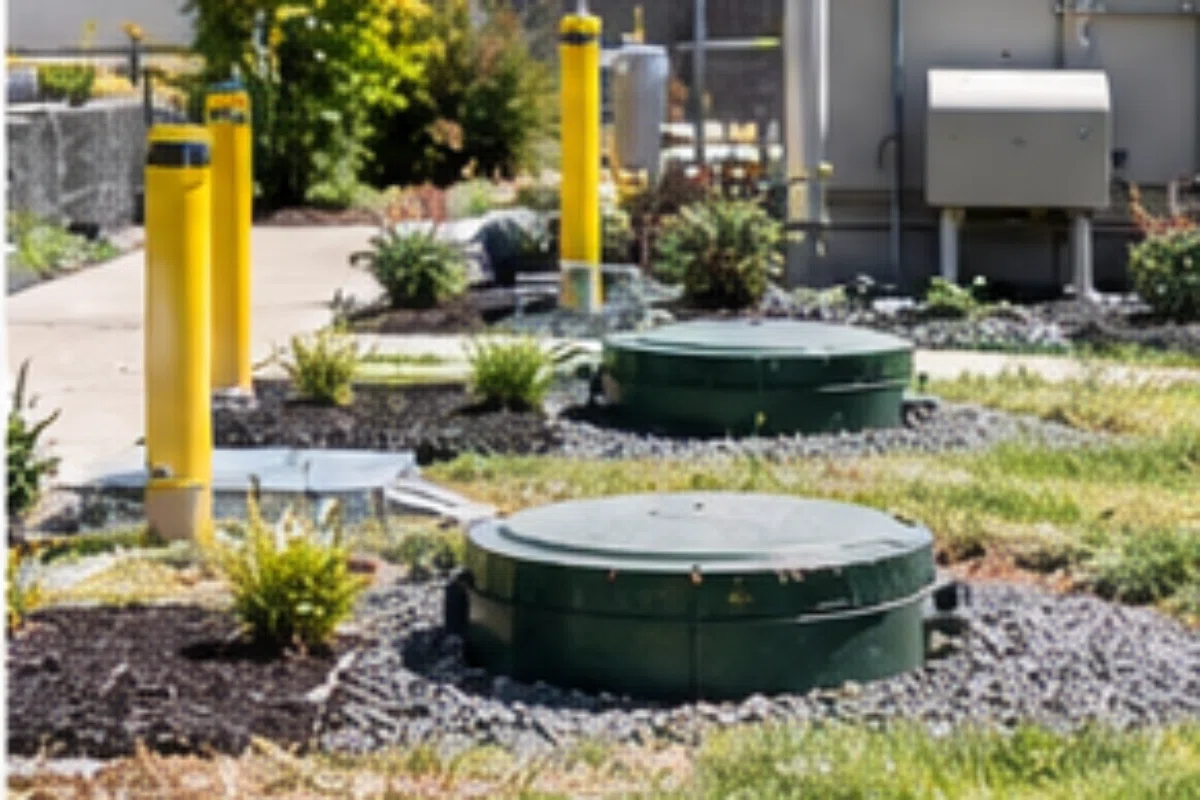
Alternative systems may use pumps, floats, alarms, controls, treatment media, aeration or timed dosing. A contract creates a repeatable service schedule for those components and assigns responsibility for field visits, records, reports and follow-up. It helps prevent missed inspections when a property changes owners, a provider changes or the system appears to operate normally between required visits.
The U.S. Environmental Protection Agency notes that service contracts are important for alternative systems with mechanized parts and that maintenance records should be kept. The agreement should still be system-specific. Pumping, excavation, electrical work, replacement parts, laboratory testing, drainfield repair and emergency visits are not automatically included unless the contract states that they are covered.
When You May Need a Maintenance Contract
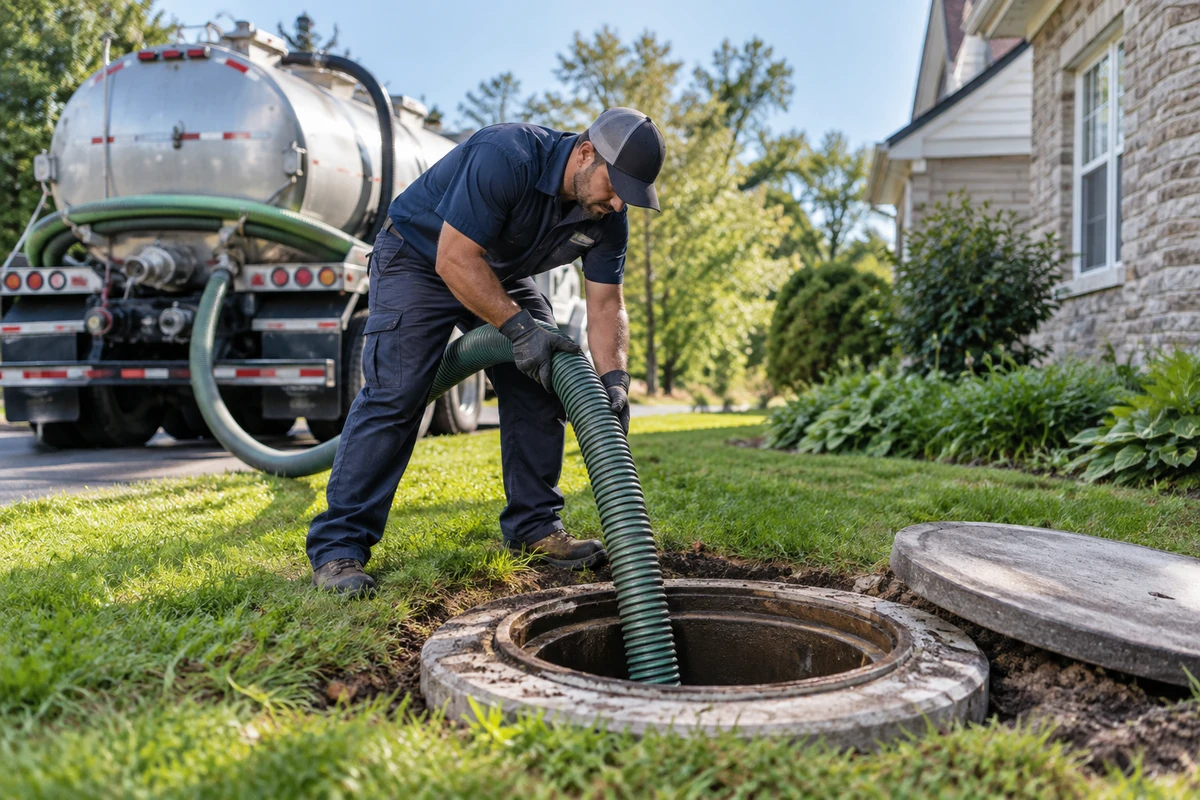
A contract may be appropriate when the permit, manufacturer or local program requires recurring attention by a qualified operator. It can also clarify service continuity when maintenance history is incomplete. Common triggers include:
The current agreement is expiring, has lapsed or cannot be located.
A property transfer leaves the system type, service schedule or operator unclear.
A permit or prior report identifies required inspection and reporting intervals.
Scheduled field service, required reports or recommended follow-up have been missed.
An alarm or malfunction occurs and responsibility for response is uncertain.
The manufacturer requires trained or authorized service for the installed technology.
A contract does not prove that a system is currently working or remove the owner's responsibility to use it properly. The permit, manufacturer information and recent condition should be reviewed before the agreement is written. If the system is already backing up, overflowing or discharging wastewater, immediate diagnosis may be more appropriate than routine enrollment.
How We Handle a Septic Maintenance Contract

1. Confirm the System and Operator Qualification
Permits, manufacturer labels, model details, prior reports and control equipment are reviewed. The required qualification, manufacturer training, service territory and Certified Operator availability are confirmed before coverage is offered.
2. Define Frequency, Duties and Exclusions
The agreement identifies the term, visit interval, checklist, reporting responsibility, owner access and notification duties, malfunction response and renewal process. It also lists pumping, parts, sampling, repairs or other work that requires separate approval.
3. Perform Scheduled Field Checks
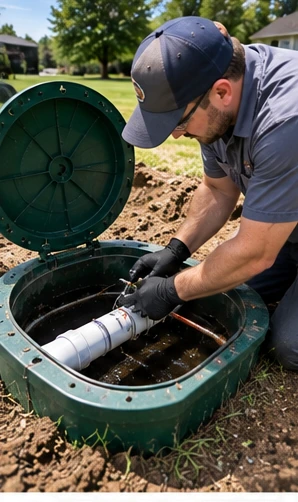
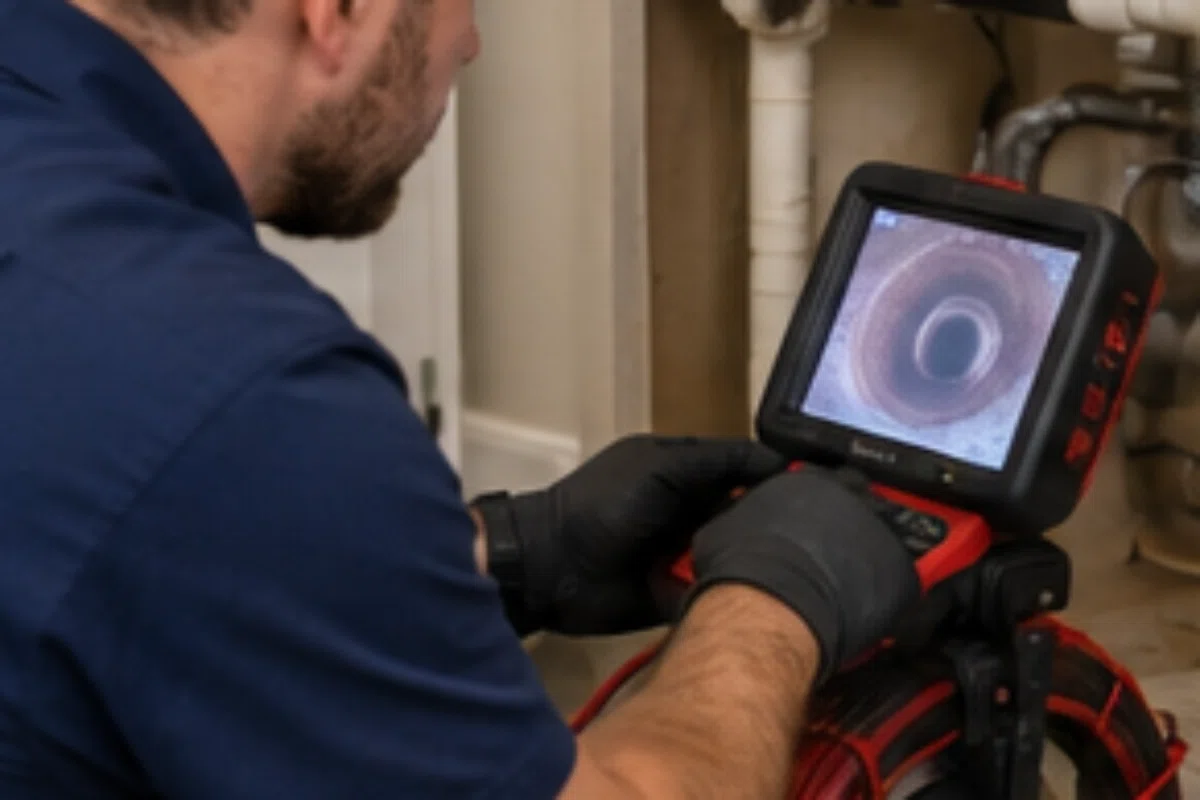
Each visit follows the system-specific checklist. Accessible treatment, pump, float, alarm, filter, media and control conditions are checked as applicable. Observations are compared with prior records so recurring changes are easier to identify.
4. Document Malfunctions and Corrective Actions
The service record separates observed conditions from possible causes. Authorized maintenance is recorded, while repairs, specialist work and unresolved items are identified clearly. Required reports are sent to the appropriate party when the contract and program require them.
5. Review and Renew Coverage
Before renewal, the system, service history, visit frequency, open recommendations, contract term and current responsibilities are reviewed. Coverage should change when the permit, manufacturer, operator requirement or system configuration changes.
Septic Maintenance Contract Cost Factors
Cost depends on the system manufacturer, technology, required visit frequency, number of components, access, travel, reporting and malfunction-response terms. Sampling, laboratory fees, pumping, filters, treatment media, pumps, alarms, controls, replacement parts and repairs may be separate. Compare contracts by scope, qualifications and exclusions, not price alone. Publish a local range only after current provider quotes or completed agreements support it.
Related Alternative Septic Services
This page owns recurring-contract and compliance intent. System diagnosis, one-time maintenance and technology-specific component service belong under the broader maintenance pages.
Aerobic Septic System Maintenance Northern Kentucky — manufacturer-specific inspection and maintenance for aerobic treatment equipment when qualified service is available.
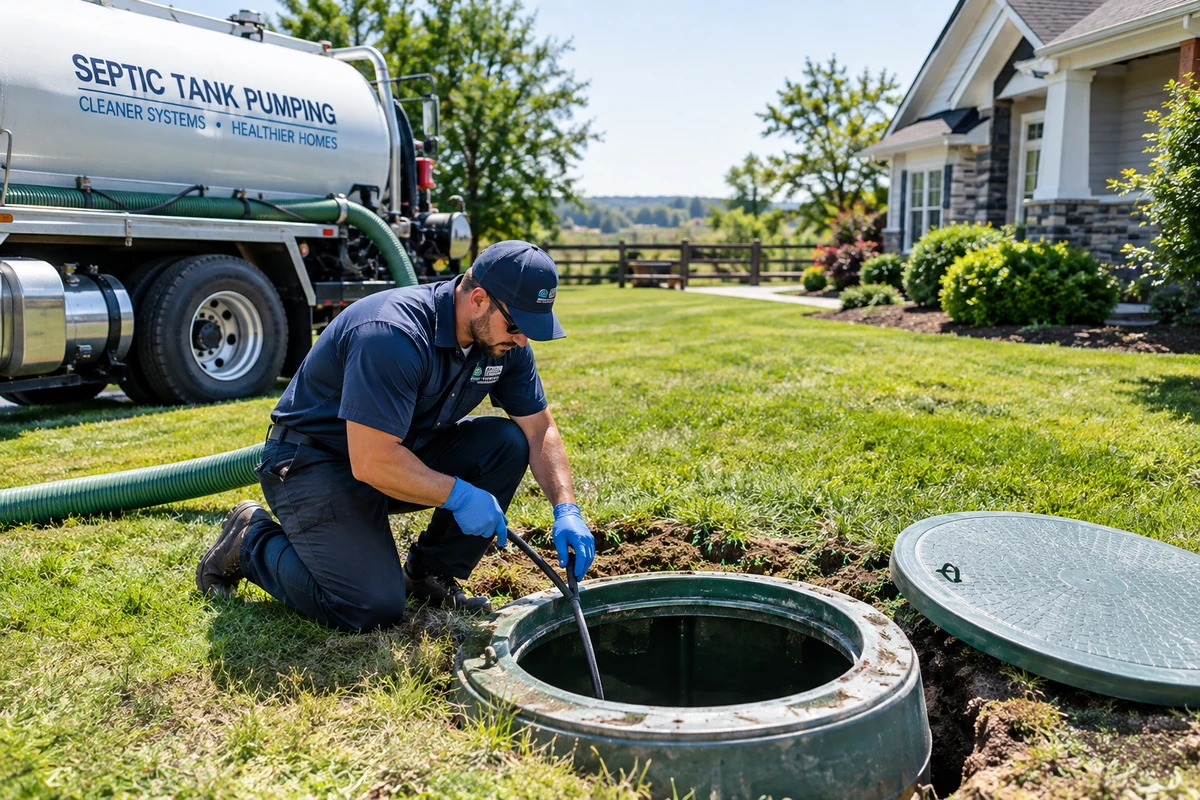
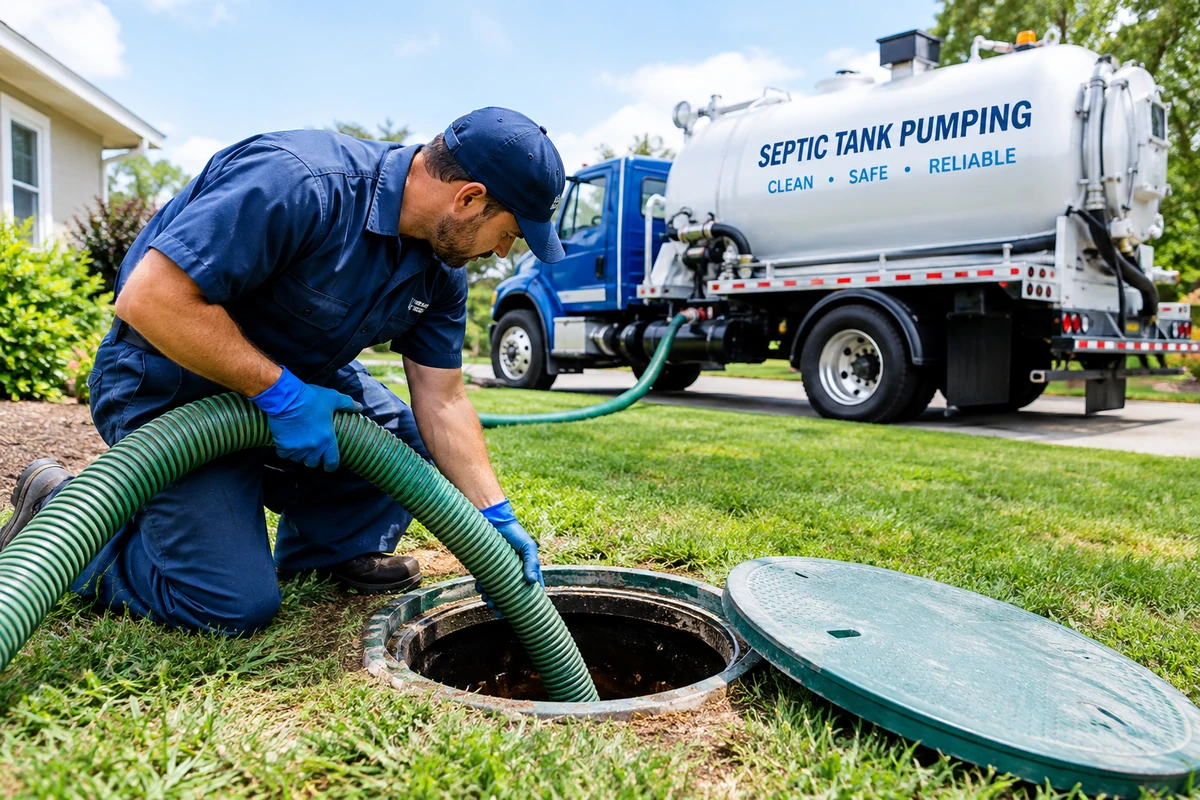
Septic Tank Pumping Covington KY — tank solids and liquid removal when due; pumping is not automatically part of a maintenance agreement.
Areas We Serve Near Covington — approved Northern Kentucky locations, subject to system technology, travel and operator availability.
Frequently Asked Questions
What should a septic maintenance contract include?
It should identify the system, qualified operator, inspection frequency, covered maintenance, reporting, malfunction response, owner duties, exclusions, term and cost.
How much does alternative septic maintenance contract northern kentucky cost?
The cost of alternative septic maintenance contract northern kentucky depends on system size, access, depth, condition, travel, equipment, and any additional diagnosis or repair. Publish a local range only after it is supported by current provider quotes or completed jobs.
How does this page differ from Alternative Septic System Maintenance Northern Kentucky?
This child page owns contract and recurring-compliance intent.