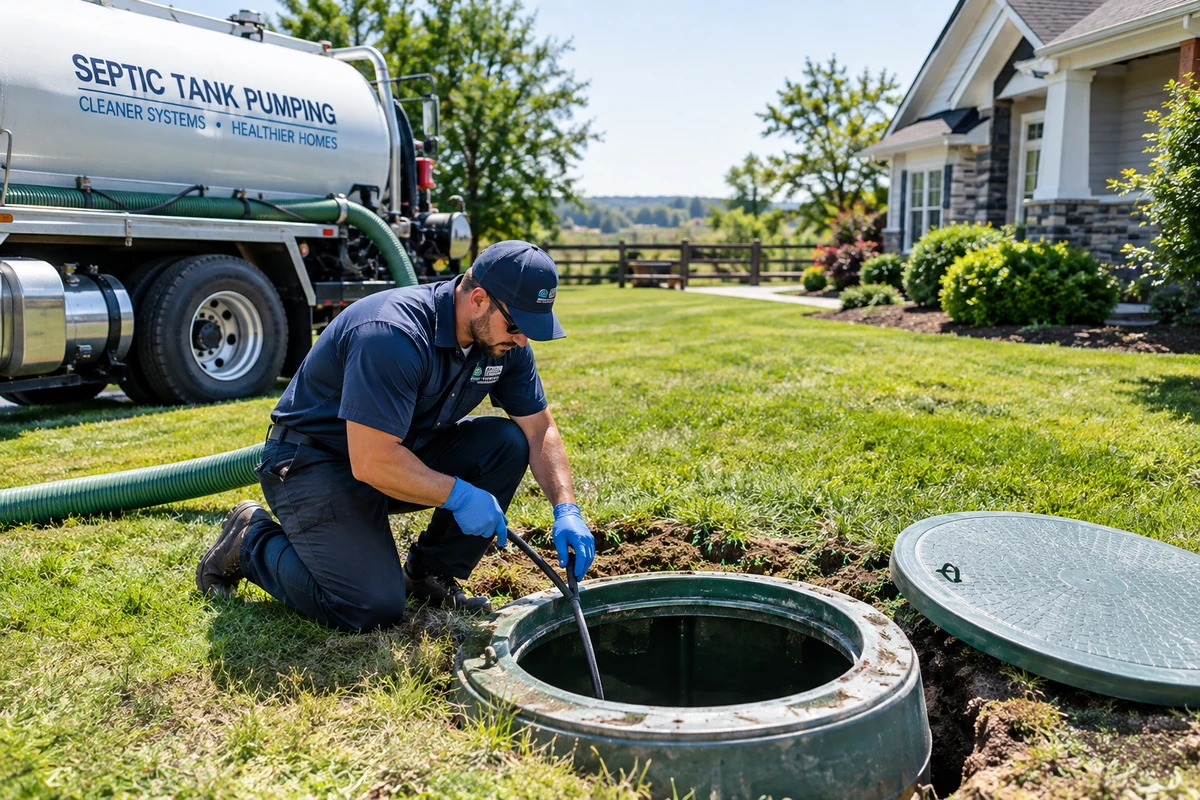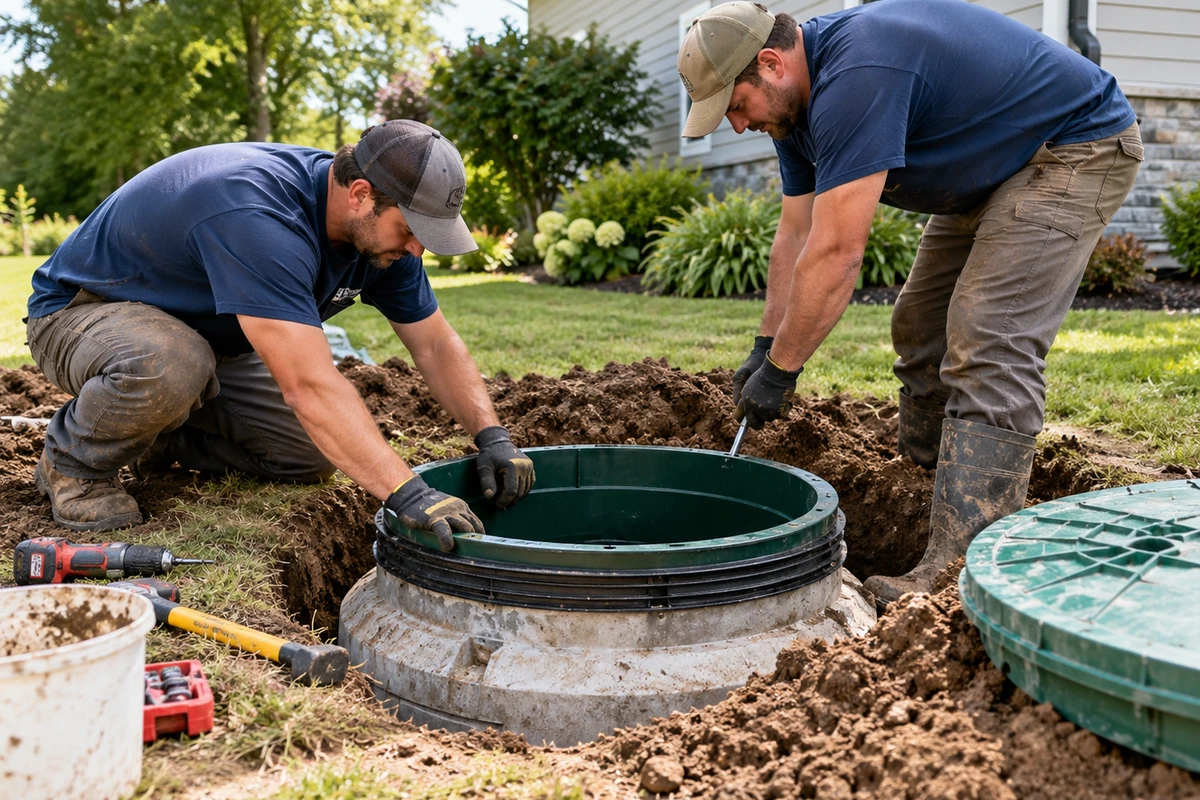
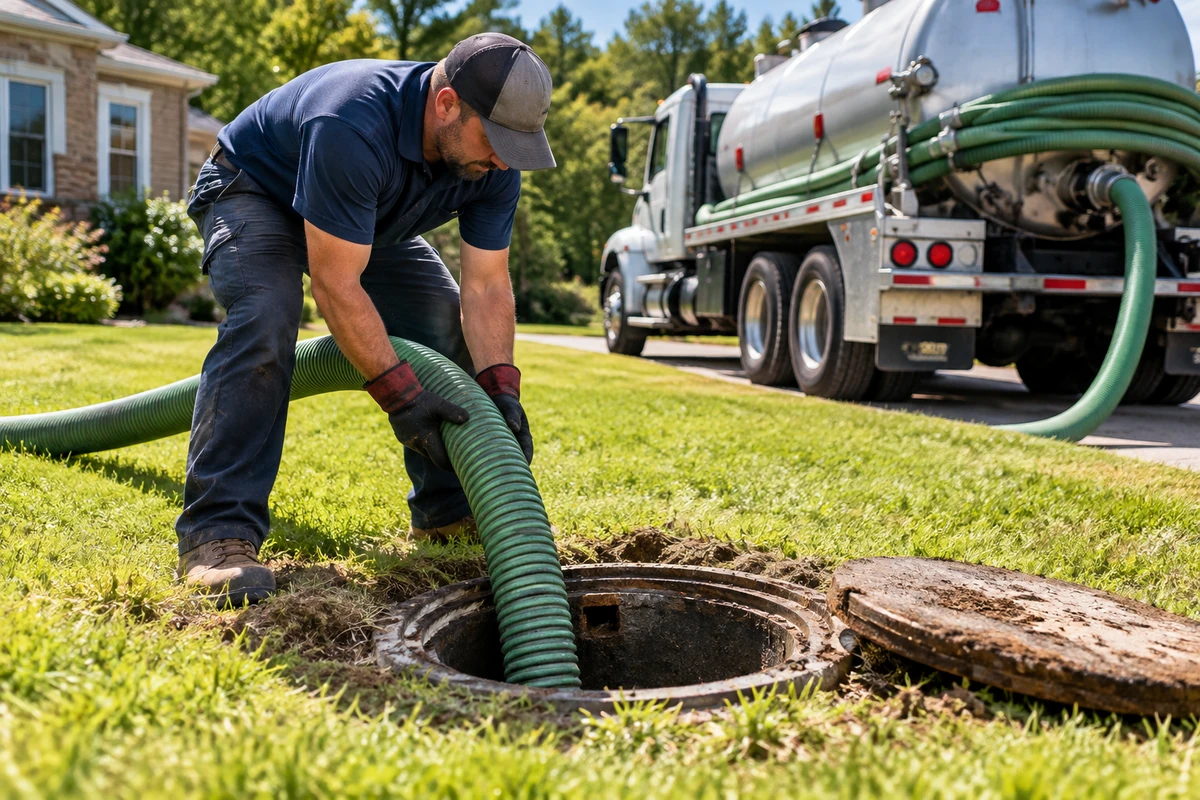
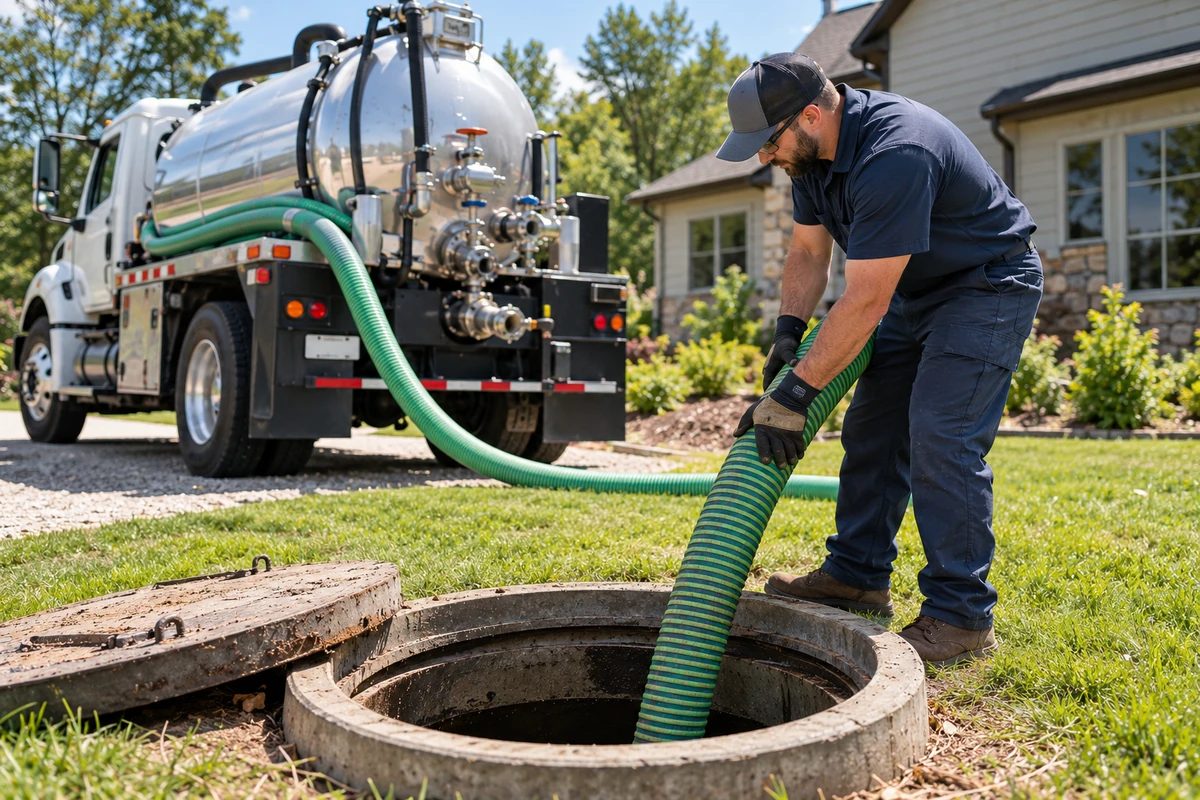
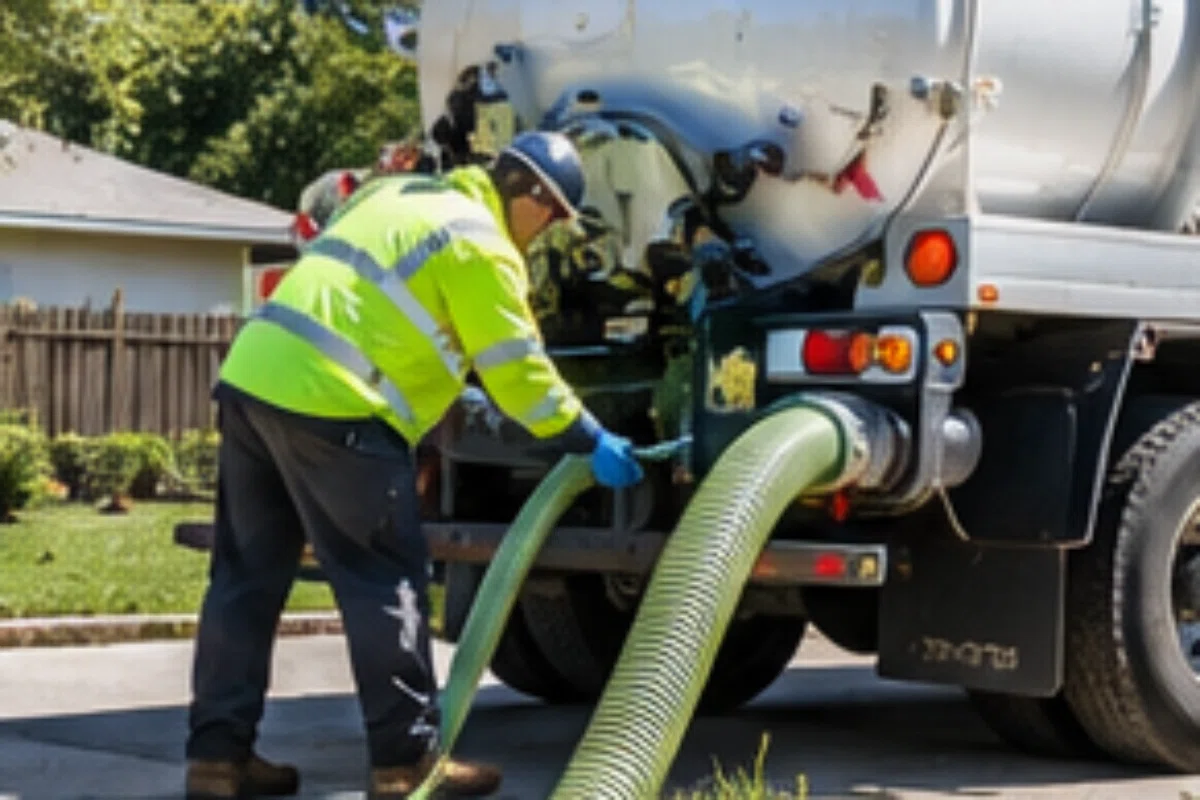
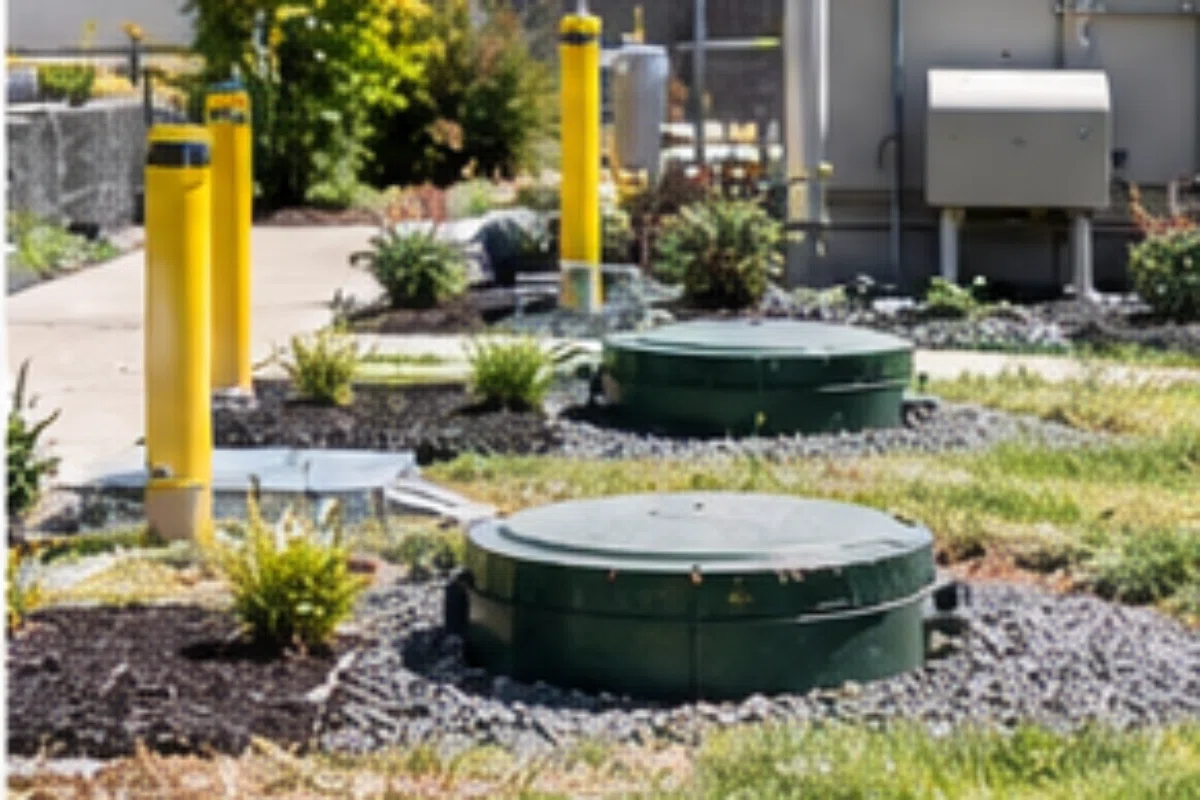
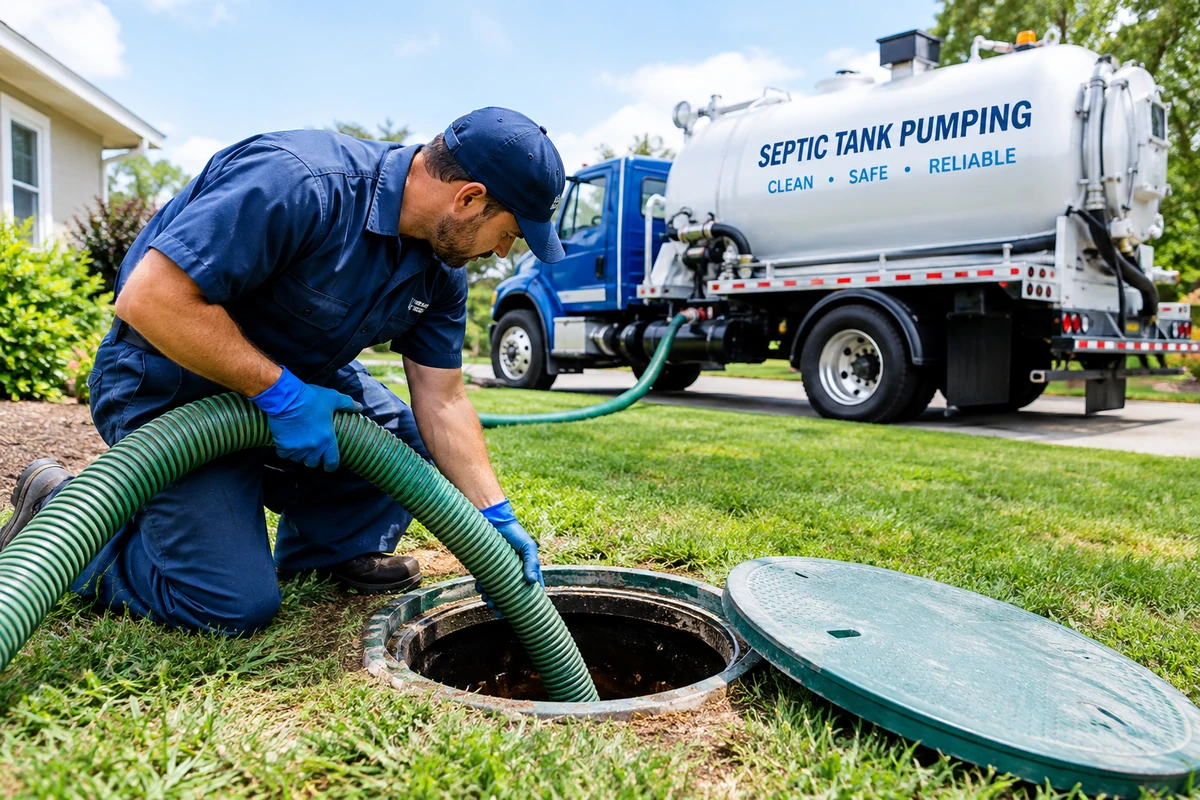
What This Septic Tank Repair Service Covers
The septic tank receives wastewater from the building, retains settleable solids and floating scum, and sends liquid effluent toward the distribution system. Its inlet, outlet and access components must remain secure and compatible with the tank. A defect can interfere with flow, allow soil or groundwater to enter, release wastewater or let solids move toward the drainfield.
Depending on the tank, condition and approved scope, repair service may address:
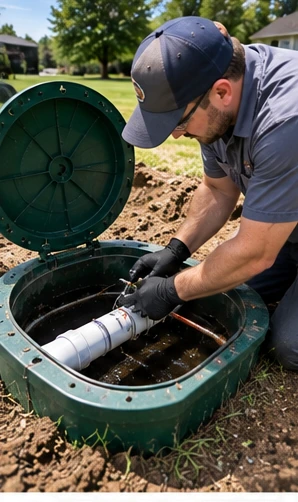
Reachable inlet or outlet baffles and sanitary tees that are loose, damaged, missing or incompatible.
Pipe penetrations, boots or seals where the building sewer or outlet passes through the tank wall.
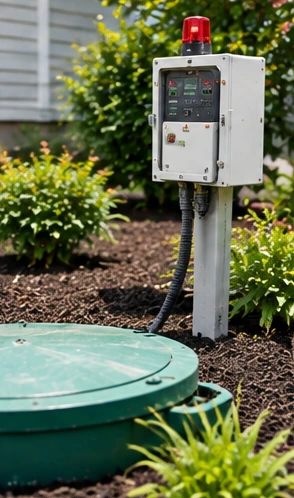
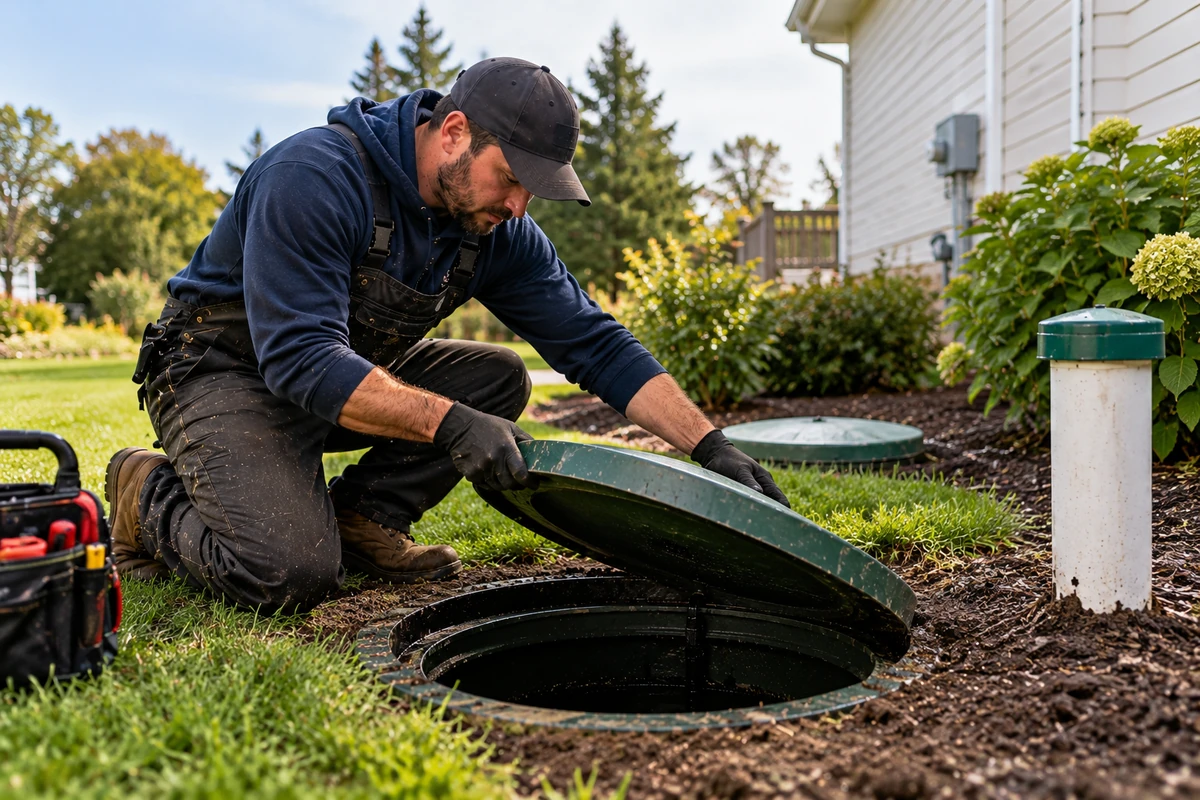
Risers, lids and access openings that are damaged, insecure, poorly fitted or allowing surface water entry.
Limited cracks, joints or leaks when the tank material and structural condition support an approved repair method.
Accessible component corrosion, deterioration or attachment failure that can be corrected without replacing the tank.
This page covers the tank body and its directly connected, accessible components. It does not treat an inlet-line blockage, pump failure, electrical problem, distribution-box defect, lateral-line damage or saturated drainfield as a tank repair. Those conditions may require line, pump, drainfield or installation service.
Signs You May Need Septic Tank Repair
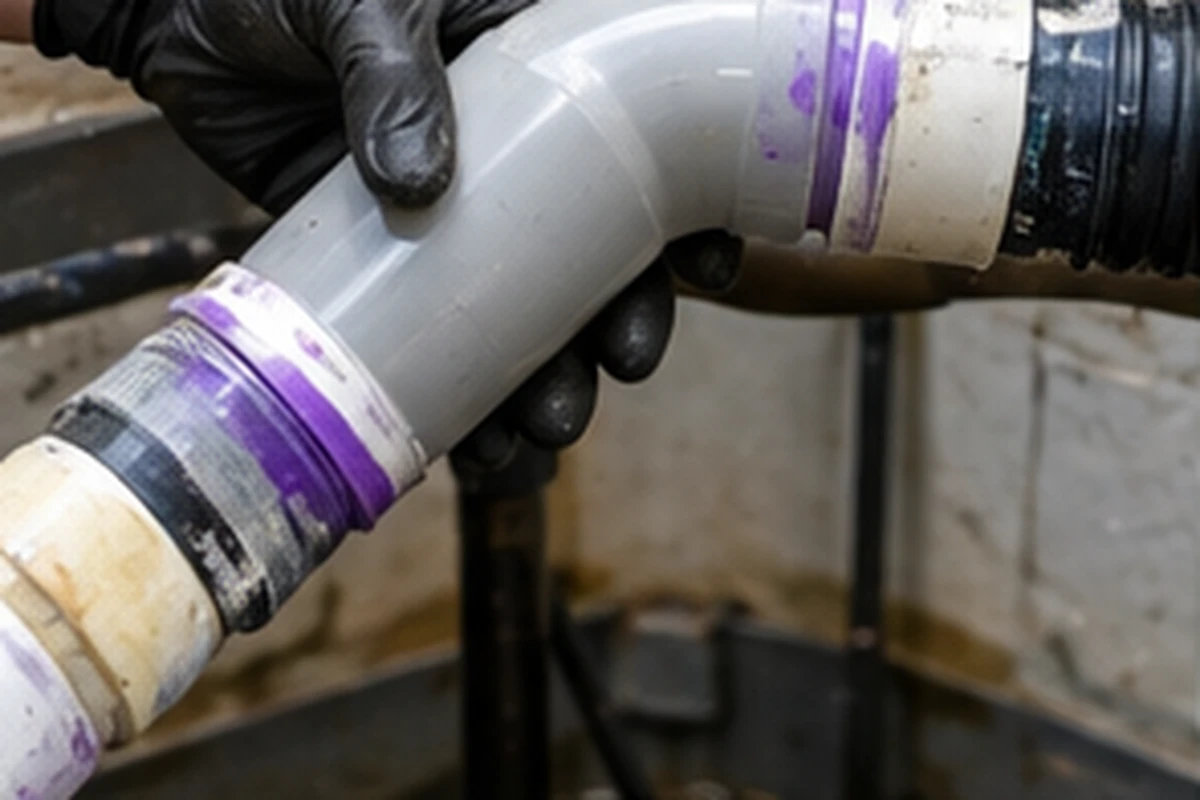
A tank problem can show visible damage at the access point, leakage near the tank or recurring flow problems that routine pumping does not explain. These signs justify inspection, but they do not prove the cause without safe access and diagnosis.
A cracked, shifted, corroded or poorly seated lid, riser or access frame.
Sewage odor, damp soil or wastewater appearing close to the tank rather than over the drainfield.
Soil, roots or surface water entering through an access opening, joint or pipe penetration.
A broken outlet baffle or tee observed during pumping or inspection.
An abnormal tank level, rapid refill after pumping or visible leakage when other causes have been considered.
Concrete deterioration, exposed reinforcement, a deformed plastic tank or signs of wall movement.
Repeated backups or solids moving toward the outlet after a maintenance visit.
Do not enter a septic tank or lean over an open tank. Septic gases, unstable covers, confined space and contaminated wastewater create serious hazards. Keep people, pets and vehicles away from damaged access areas until they are secured.
Common Causes and Repair Triggers
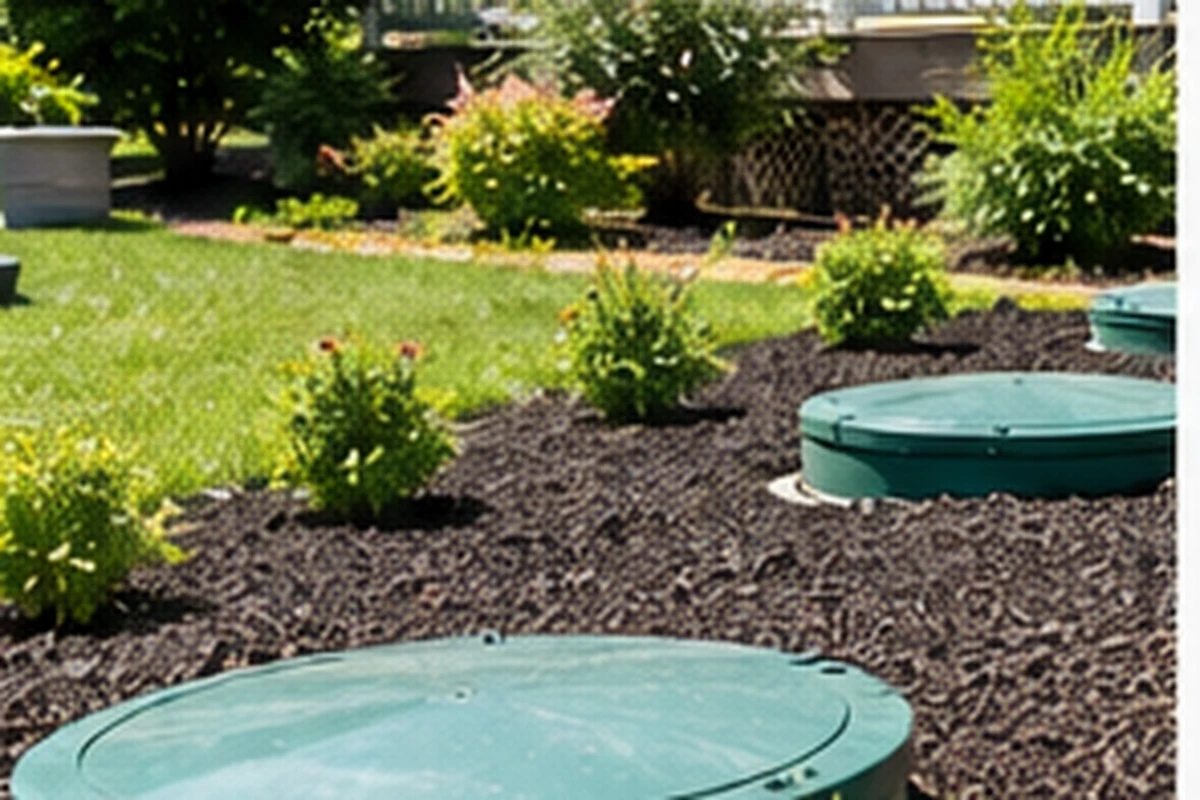
Tank damage can develop from age, incompatible materials, soil pressure, vehicle loading, settlement, root movement, corrosion, freezing conditions, poor access construction or previous work that did not match the tank. Surface water may enter through an unsealed riser or lid, while groundwater can enter through a crack or failed connection. Either condition can increase the volume moving through the system.
Baffles and sanitary tees can loosen, deteriorate or break. A damaged inlet component can disrupt the incoming flow pattern. A failed outlet component can allow solids and scum to move toward the distribution system, increasing risk to the drainfield. A damaged penetration seal can leak in either direction depending on groundwater and tank levels.
Pumping or inspection often reveals repair needs because the liquid level is lowered and reachable surfaces can be viewed more clearly. Discovery during maintenance does not mean every visible mark is an active leak or structural failure. The technician should identify the material, location, extent and likely effect before recommending repair.
Our Septic Tank Repair Process
1 Verify the System and Repair Concern
We confirm the address, county, tank location if known, material, size, access, last pumping date and reported symptoms. Available permits, installation drawings, inspection reports and prior repair records help separate the tank from nearby lines and drainfield components.
2 Access and Inspect the Tank
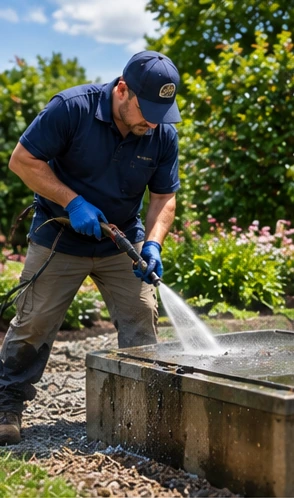
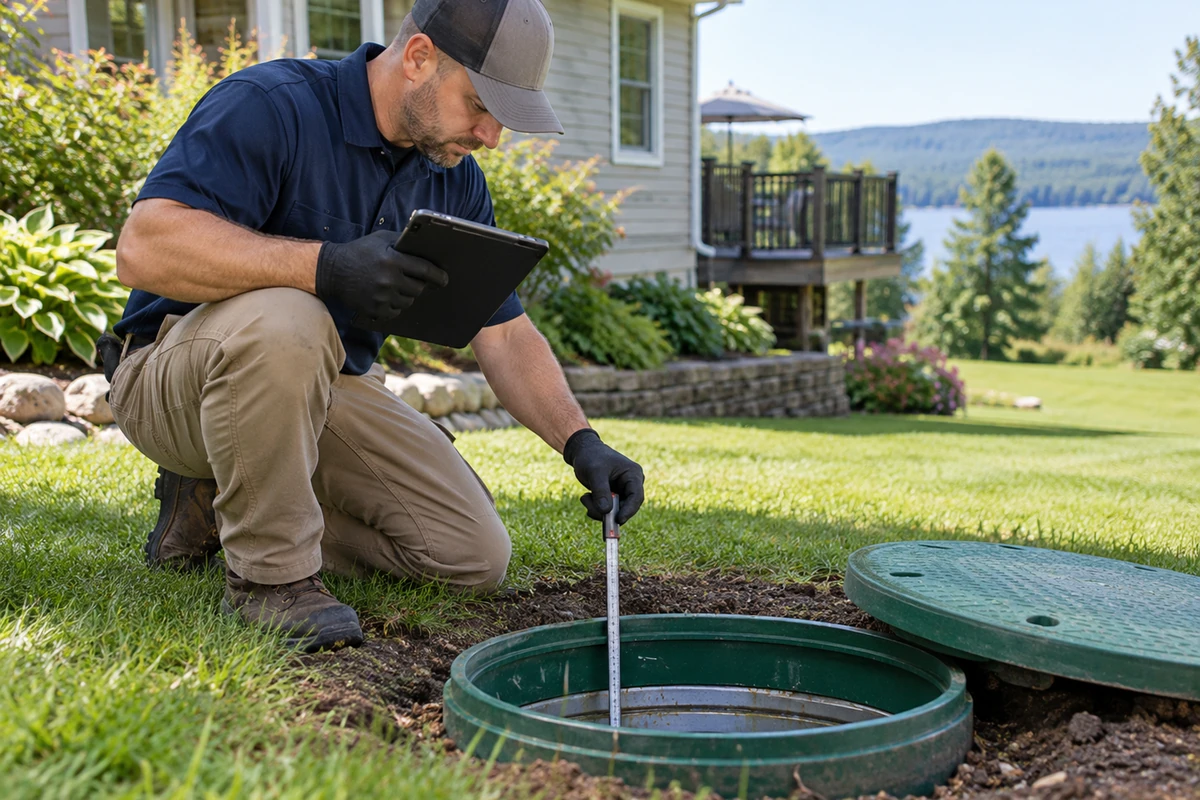
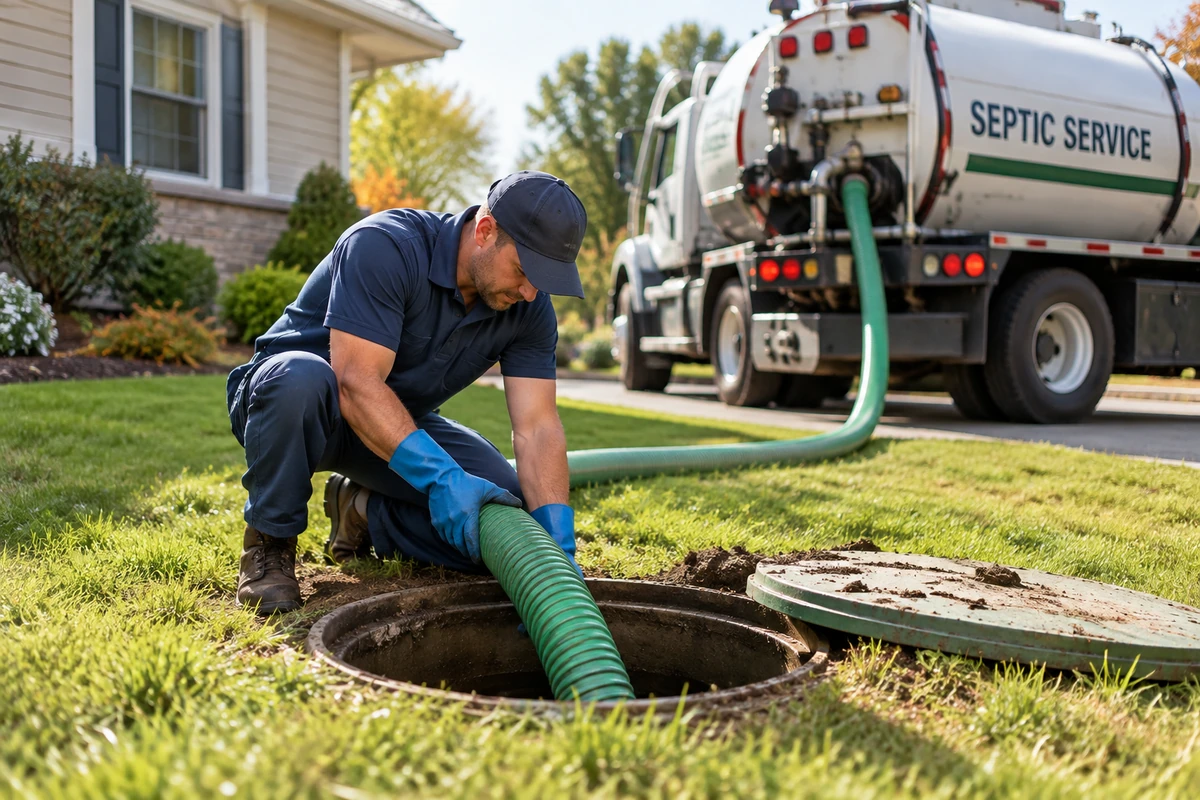
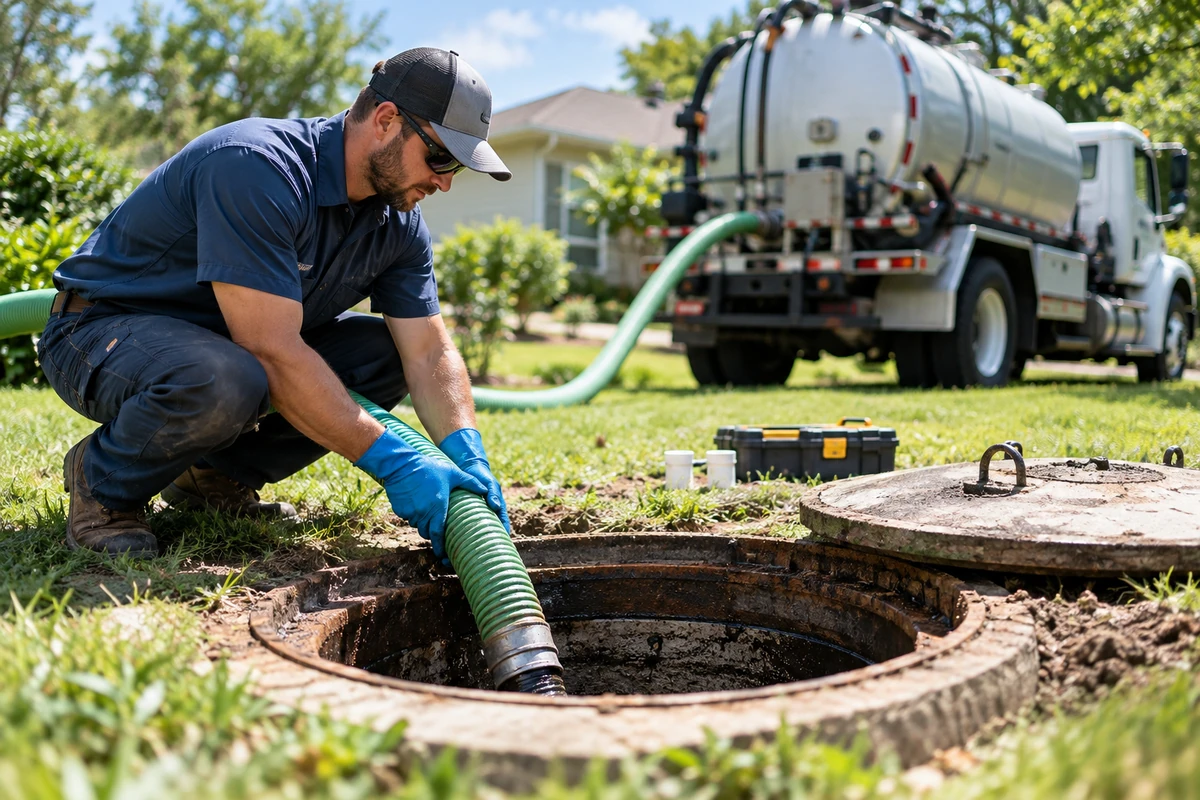
The tank must be reached through safe access points. Pumping may be required to expose the affected area, reduce the liquid level and support safer work. The inspection considers the tank body, inlet and outlet connections, reachable baffles or tees, risers, lids and seals.
3 Explain the Findings and Limits
We explain what is damaged, what remains inaccessible and whether the condition appears limited or structural. A visible defect at one opening does not reveal every buried surface. Additional excavation, pumping or replacement planning may be needed when the tank cannot be evaluated safely.
4 Approve the Repair Scope
The proposed scope identifies the component, compatible repair material, access work, pumping, excavation, exclusions, restoration and permit questions. No additional repair should be treated as approved until the property owner understands the purpose and cost factors.
5 Complete the Agreed Work
The repair is completed using materials and methods suitable for the tank and component. The work area is protected, access openings are secured and disturbed surfaces are addressed within the agreed restoration scope. Electrical or other specialist work is coordinated only when included and qualified.
6 Verify and Document
Reachable connections and repaired components are checked as conditions allow. The service record should identify the observed defect, work performed, parts or materials used, limitations and any recommended follow-up. Keep that record with pumping, inspection and permit documents.
When Tank Replacement Is More Appropriate
A limited repair is not appropriate when the tank has extensive cracking, severe concrete loss, exposed or deteriorated reinforcement, major deformation, collapse risk, widespread corrosion or damage that prevents a reliable connection. Unsafe excavation, incompatible old materials or repeated leakage can also make replacement the more responsible option.
Replacement decisions should consider the tank separately from the drainfield. A failed tank does not automatically prove that the drainfield has failed, and a failing drainfield does not automatically require a new tank. The approved plan should identify which components can remain and which must be replaced. See Septic Tank Replacement Covington for replacement scope and permit considerations.
What Affects Septic Tank Repair Cost
Septic tank repair cost in Covington depends on the confirmed defect and the work needed to reach it. Important factors include tank material and size, lid depth, riser condition, excavation, pumping, disposal, hose distance, the damaged component, repair material, replacement parts, permit needs, site safety and surface restoration. A simple tee replacement through safe access is different from excavating a deep tank to investigate a wall leak.
Ask whether the quote includes tank locating, digging, pumping, multiple compartments, materials, permit coordination, disposal and restoration. A current property-specific quote is more reliable than a generic online range. Additional damage discovered after access should be explained before the scope changes.
Frequently Asked Questions
Can a cracked septic tank be repaired?
Some limited defects may be repairable, but structural damage, unsafe deterioration or extensive leakage can make replacement the safer option. The tank must be inspected before a repair recommendation is made.
Does the tank need pumping before repair?
Many tank repairs require pumping so the technician can work safely and see the affected area. The provider should confirm whether pumping is included in the repair quote.
What happens when a septic baffle fails?
A damaged inlet or outlet baffle can disrupt flow or allow solids to move toward the drainfield. Inspection determines whether the part can be repaired or replaced.
How much does septic tank repair in Covington cost?
The cost of septic tank repair in Covington depends on system size, access, depth, condition, travel, equipment, and any additional diagnosis or repair. Ask for a current property-specific quote that separates access, pumping, materials and repair work.
Where is septic tank repair in Covington available?
Septic tank repair in Covington is available only within the operating provider's confirmed service territory. Share the full address to confirm coverage, travel requirements, scheduling and whether the necessary equipment and repair scope are available.