
What Drainfield Replacement Solves
The drainfield receives effluent from the septic tank and disperses it through soil for further treatment. Replacement may be needed when the field is hydraulically overloaded, physically damaged or no longer suitable for reliable use. A replacement project can involve a distribution box, piping, gravity laterals, chambers, aggregate or specified media, pressure distribution, pumps and controls, depending on the approved design.
The field should not be replaced until other causes have been checked. A full tank, clogged effluent filter, blocked outlet, failed pump, damaged distribution box or crushed lateral can create symptoms that resemble broad field failure. Inspection and system records help separate a repairable component problem from a soil-absorption area that needs replacement.
The Kentucky Onsite Sewage Disposal Systems Program explains that local health department inspectors perform site evaluations and inspections. It also states that a certified Kentucky onsite septic installer must install the system based on the evaluation results. This makes the evaluated property conditions central to the replacement design.
When May a Septic Drainfield Need Replacement?

A drainfield may need replacement when it cannot receive or disperse expected wastewater flow and a targeted repair will not provide a dependable correction. One wet spot or one slow drain is not enough to prove field failure. The tank, distribution components, building sewer and household water use should be considered first.
Wastewater repeatedly surfaces over several parts of the absorption area.
Effluent backs up after pumping and accessible upstream restrictions have been ruled out.
Several laterals are crushed, clogged, settled or otherwise unsuitable for practical repair.
Heavy equipment, construction or long-term compaction has damaged the approved field area.
Inspection and site findings show that the existing field cannot support the permitted use.
A property change requires an approved capacity or layout the current field cannot provide.
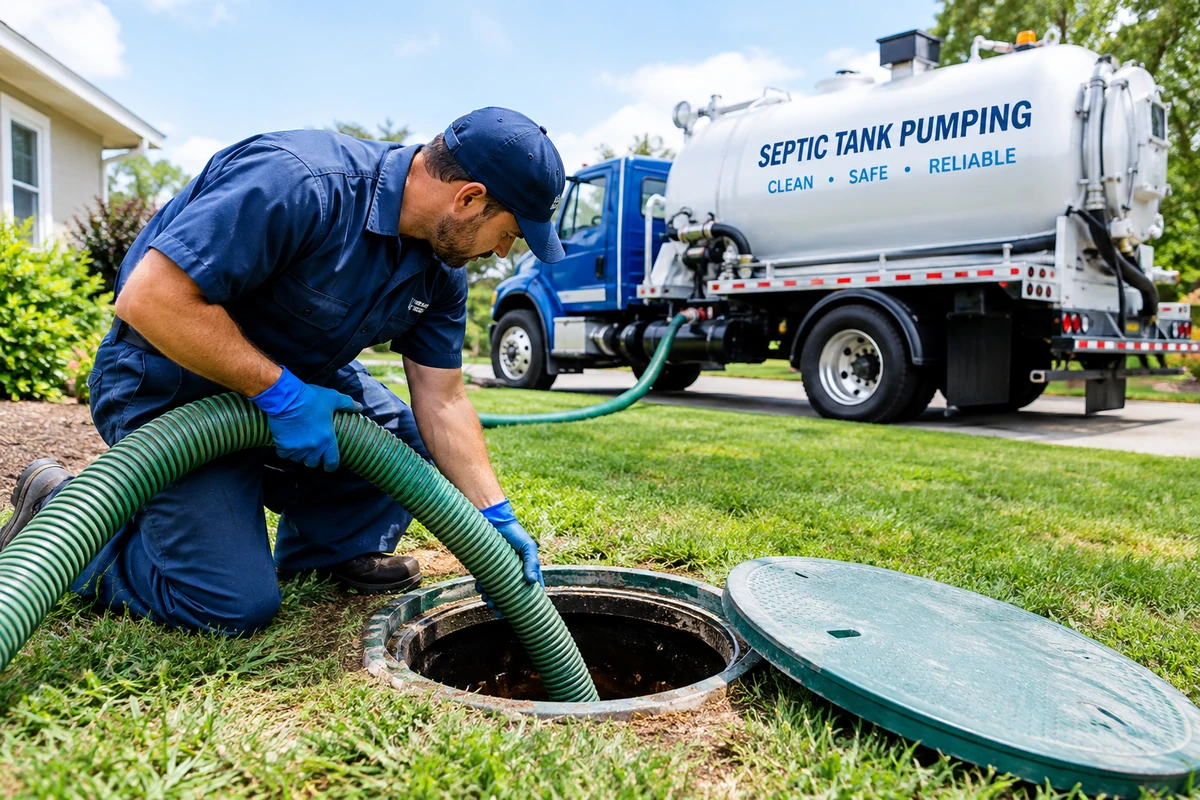
Drainfield replacement is different from routine pumping. Pumping removes solids and liquid from the tank, but it does not restore soil that can no longer accept effluent. It is also different from lateral or distribution-box repair, which may correct a localized failure while preserving the rest of the field.
How We Handle Drainfield Replacement

1. Confirm the Failure and Existing Layout
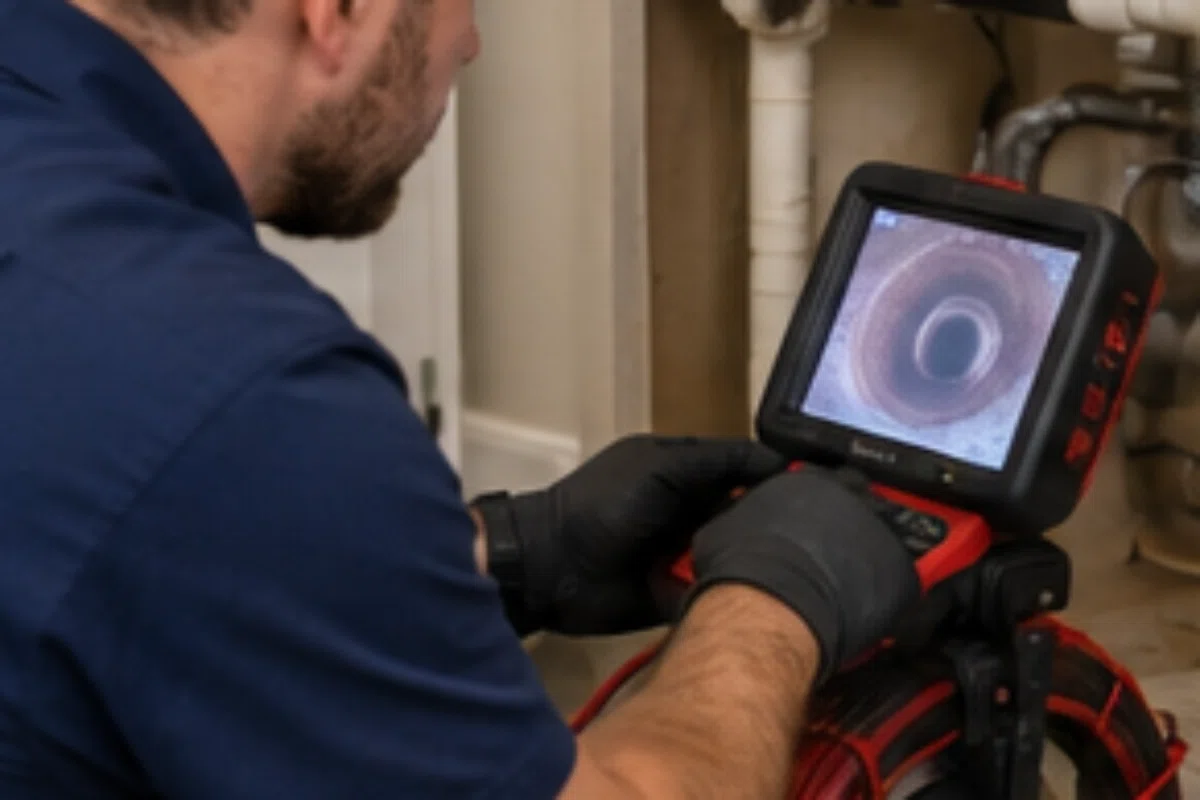
We review symptoms, pumping history, inspection findings and available permit records. The tank, outlet, distribution components and laterals are checked so the planned work addresses the actual failure.
2. Evaluate the Site and Replacement Area
Property lines, structures, wells, water features, utilities, slope, access, soil conditions and any reserved area affect placement. The proposed location must remain protected from grading, material storage and heavy equipment traffic that could compact the soil.
3. Coordinate Design and Approval
The evaluated conditions guide the field type, size, elevation and distribution method. The current Northern Kentucky Health guidance says repair or alteration work involves a certified installer, a repair site evaluation and a repair permit.
4. Install Distribution and Laterals
Excavation and grading equipment is used within the approved scope. Distribution components, pipe, chambers, aggregate or other specified materials are placed according to the design while existing utilities and usable soil areas are protected.
5. Complete Inspection and Closeout
Required inspection takes place before covered components are concealed. After approval, the area is backfilled and graded as specified. Final records should identify the field location, installed components and maintenance requirements.
What Affects Drainfield Replacement Cost?
Cost depends on the approved field type and size, soil and site conditions, excavation depth, access, slope, groundwater or rock, distribution components, pumps or controls, materials, hauling, permits, inspections and final grading. Trees, utilities, fences, driveways and limited equipment access can also change the scope. A local range should be published only when current provider quotes or completed Northern Kentucky jobs support it.
Related Drainfield and Replacement Services
For a complete system or multi-component project, see Septic System Installation & Replacement Covington.
When the treatment tank itself is unsound, review Septic Tank Replacement Covington.
Routine tank emptying and maintenance are covered under Septic Tank Pumping Covington KY.
Review Areas We Serve Near Covington for confirmed coverage across Covington, Kenton County and nearby Northern Kentucky communities.
Frequently Asked Questions
How is the location of a replacement drainfield chosen?
The approved location depends on property layout, soil/site evaluation, setbacks, existing system information and the requirements of the reviewing health authority.
How much does drainfield replacement covington cost?
The cost of drainfield replacement covington depends on system size, access, depth, condition, travel, equipment, and any additional diagnosis or repair. Publish a local range only after it is supported by current provider quotes or completed jobs.
How does this page differ from Septic System Installation & Replacement Covington?
This child page owns replacement-field intent; repair remains on the parent drainfield service page.