What Drainfield Repair Covers
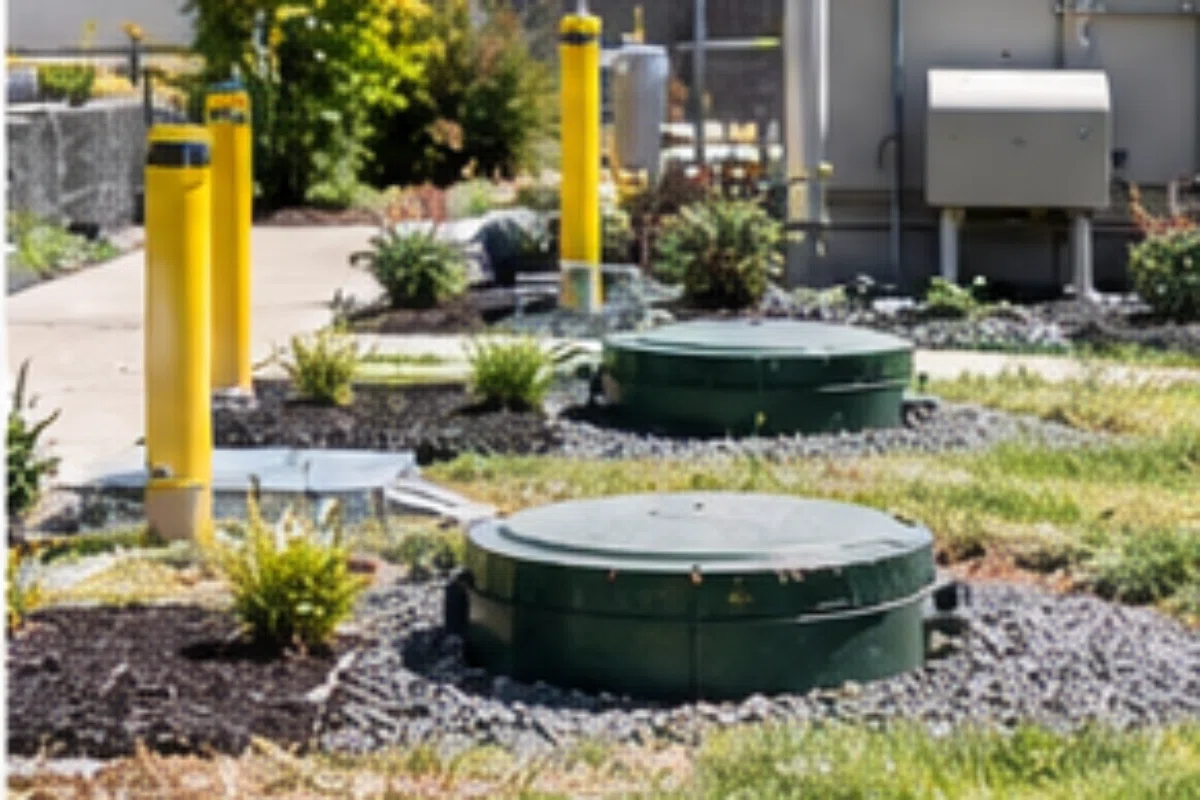
A drainfield, also called a leach field or lateral field, receives clarified effluent after solids separate inside the septic tank. The distribution box or another approved device divides that flow among buried laterals. Effluent then reaches the infiltrative surface, where soil and microorganisms continue treatment before the water disperses below ground.
The U.S. Environmental Protection Agency's septic system guidance describes a conventional system as a septic tank connected to a subsurface wastewater infiltration area. Because tank condition, distribution components, lateral piping and soil performance affect one another, diagnosis should examine the path of flow instead of assuming the visible wet area is the only defect.
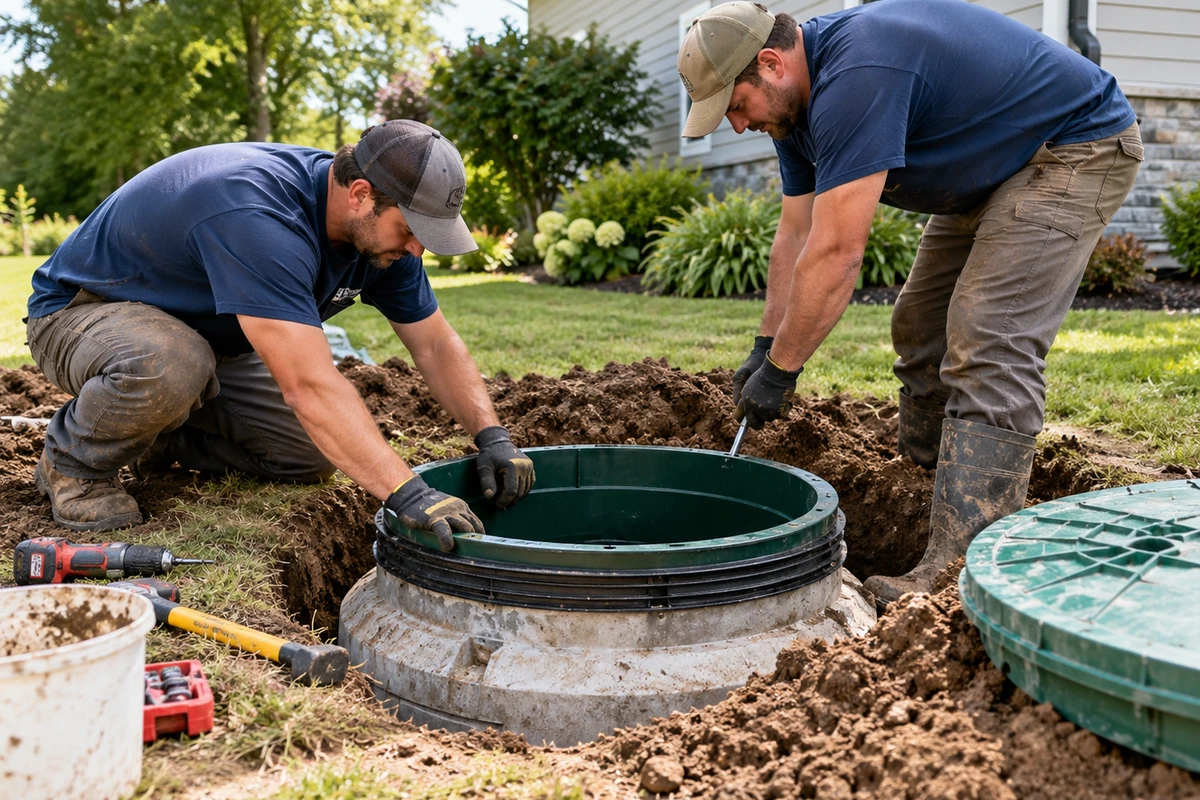
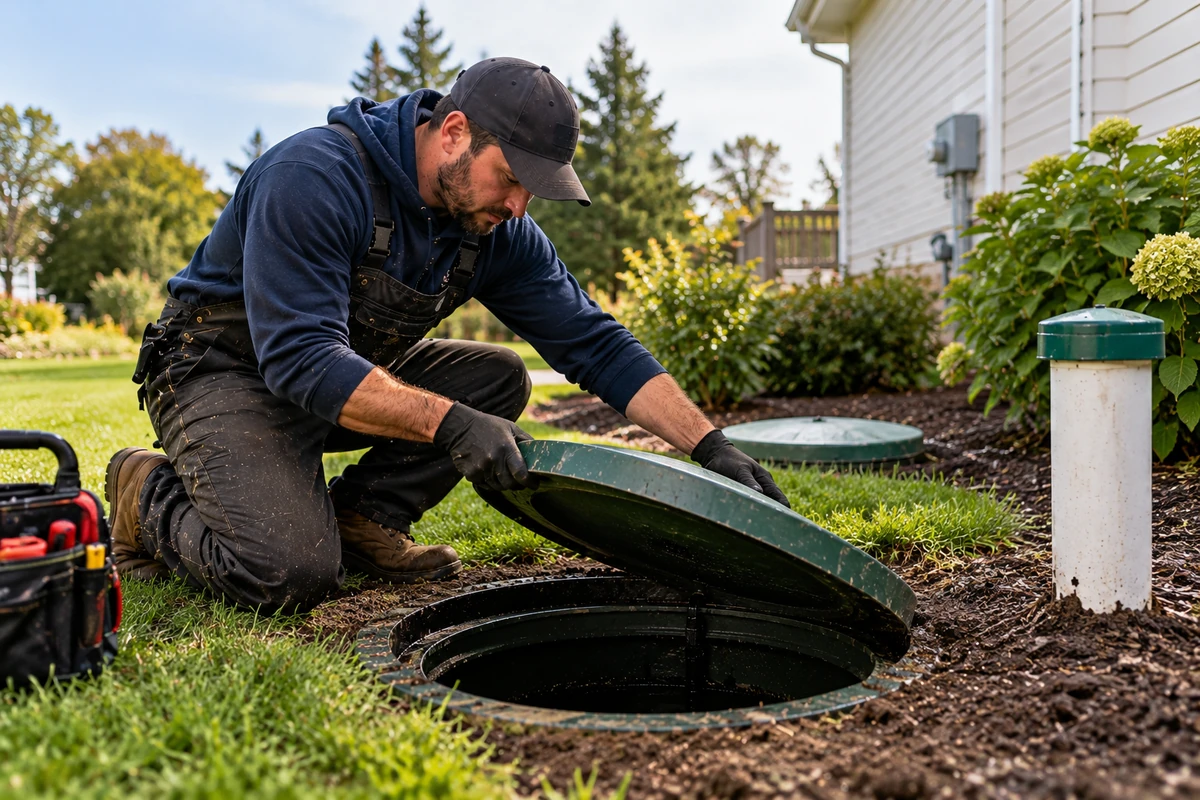
Repair can include resetting or replacing a damaged distribution box, correcting a separated or crushed lateral connection, repairing an accessible section of lateral pipe, restoring proper distribution or addressing damage caused by excavation, roots or vehicle traffic. The appropriate method depends on the approved system design, soil conditions, remaining field capacity and local requirements.
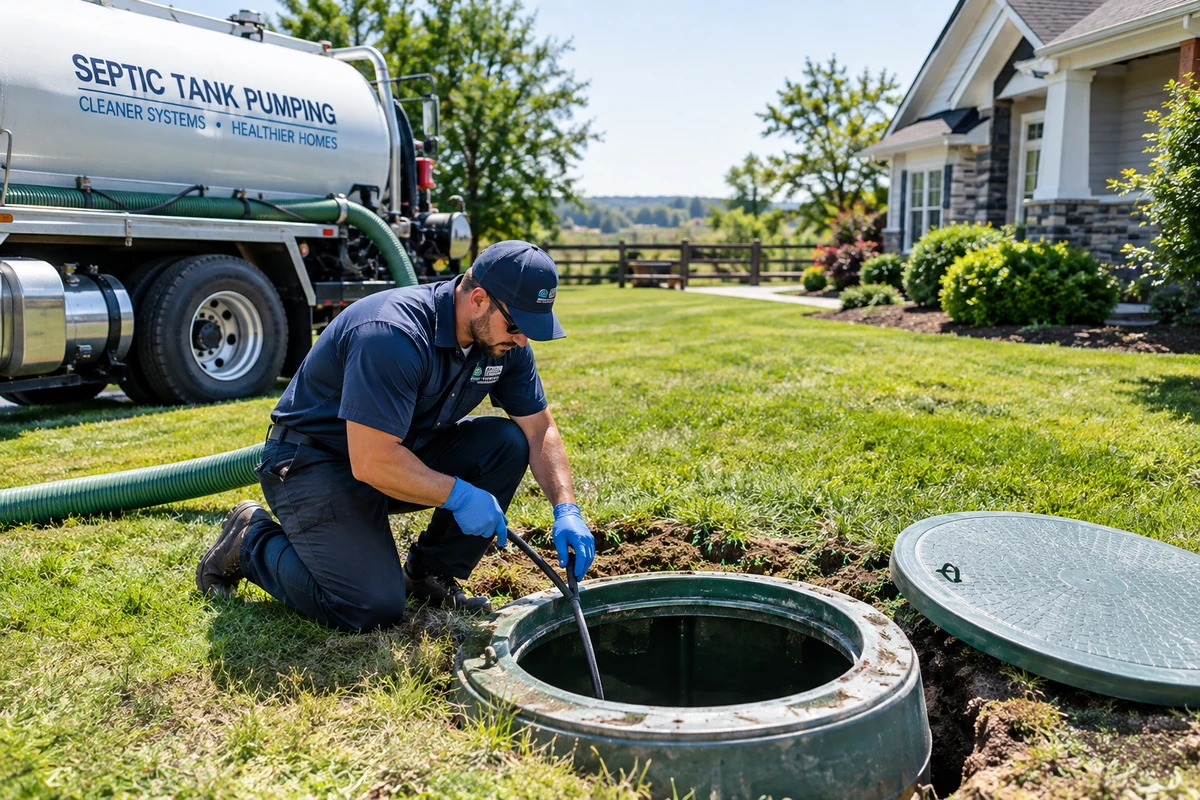
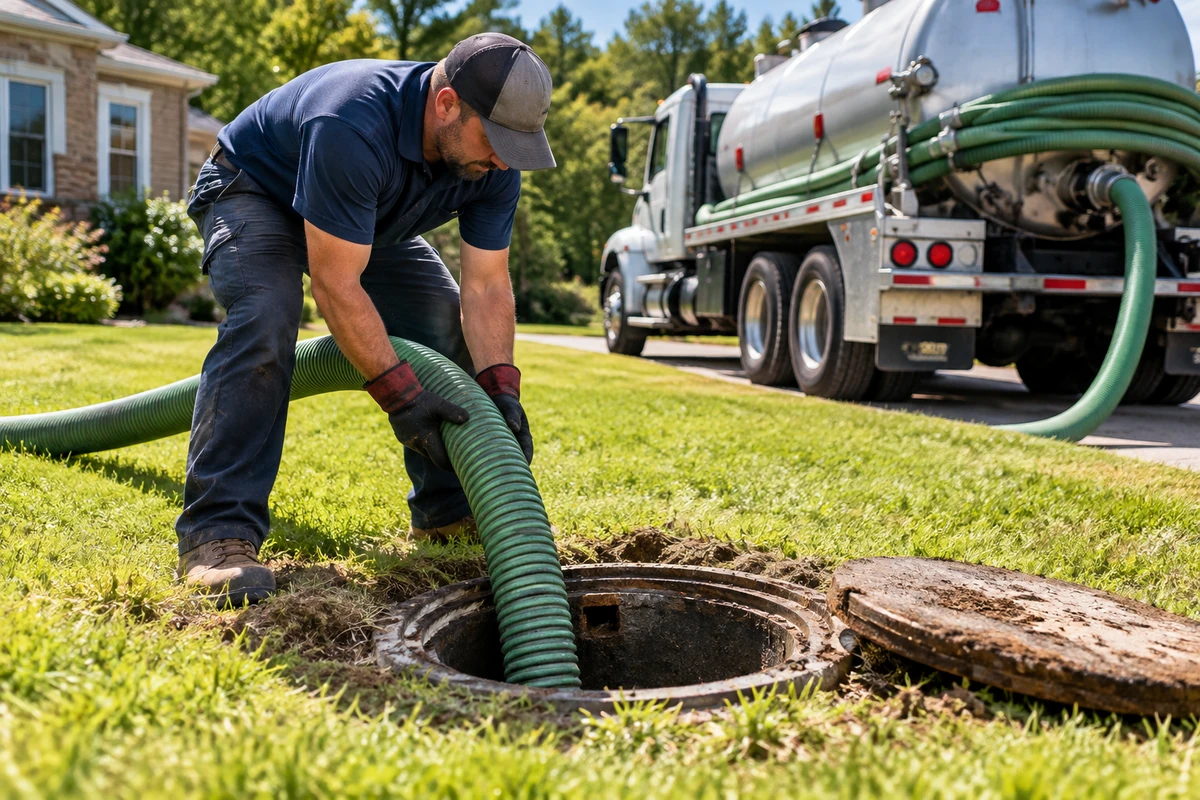
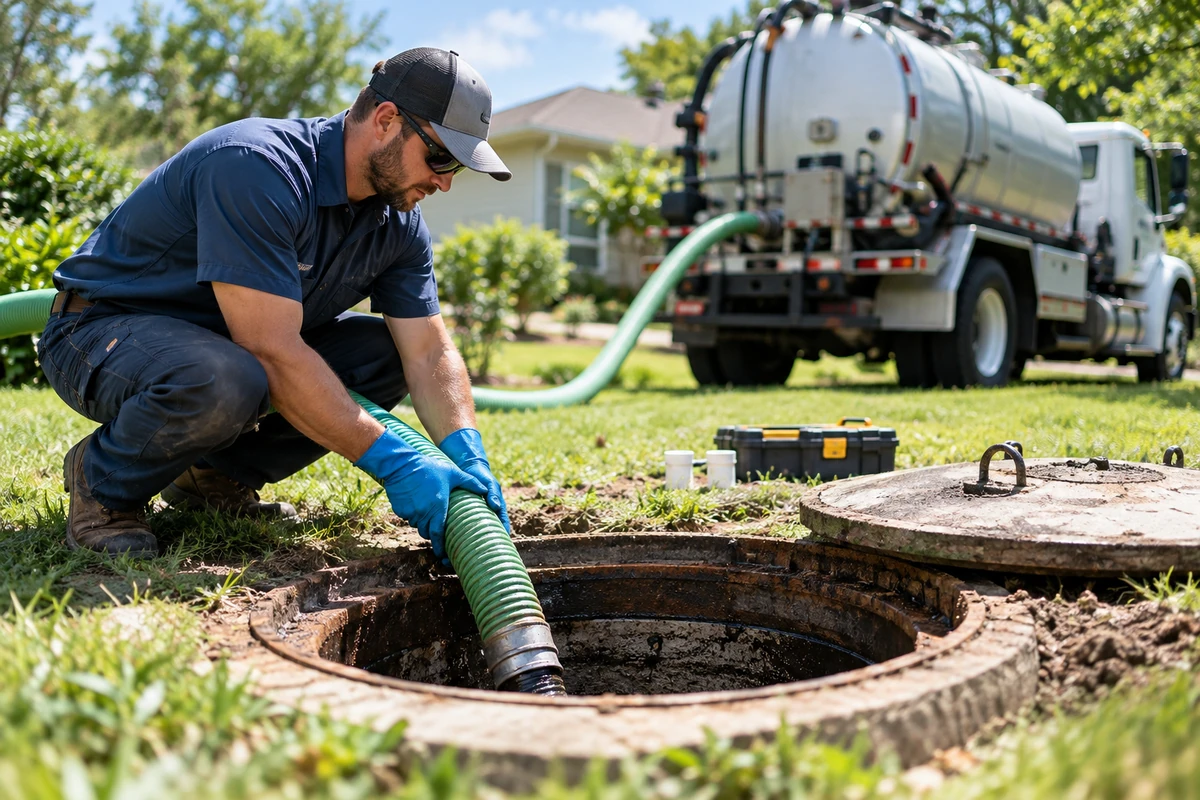
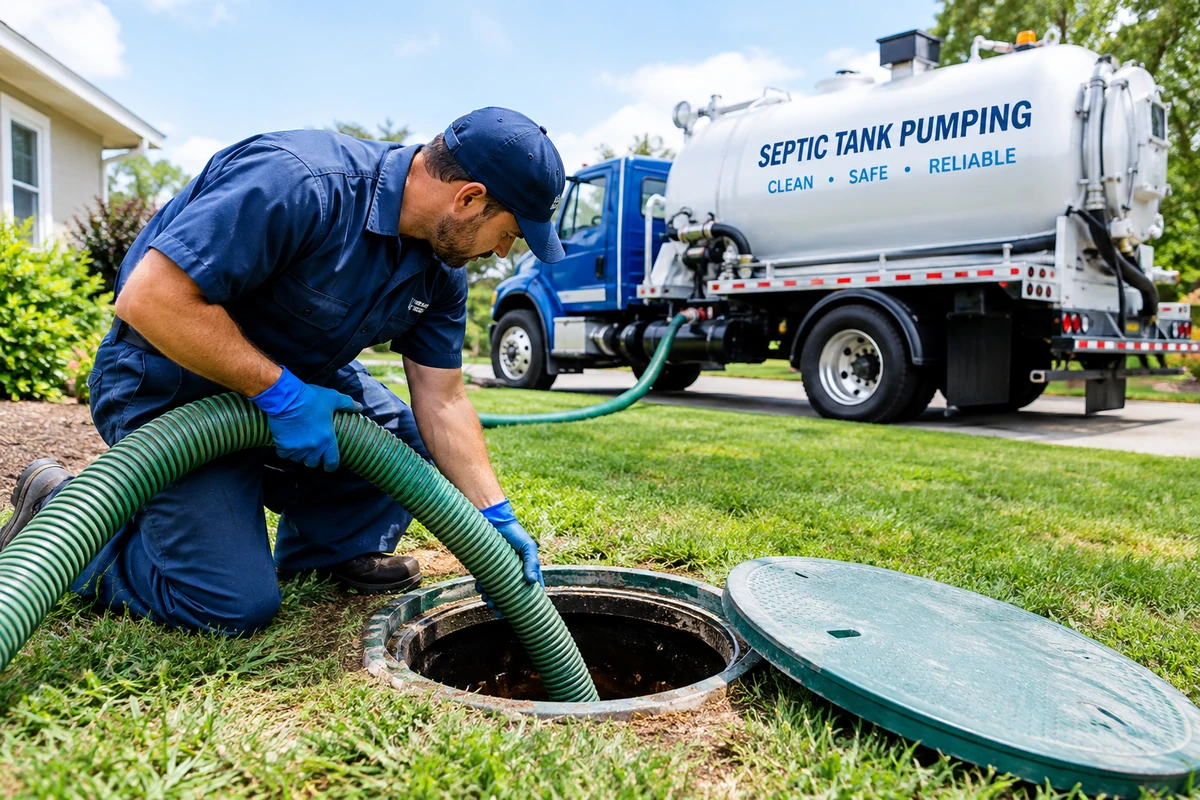
This service does not present septic pumping, chemical additives or surface drying as a guaranteed cure for a failing absorption area. Pumping can create temporary storage space inside the tank, but it does not reconnect broken pipe, level a distribution box or restore soil that cannot accept effluent. Additives also do not replace a physical diagnosis. If the tank, building sewer, pump or alarm is the source, that component needs its own service.
What Are the Signs of a Drainfield Problem?
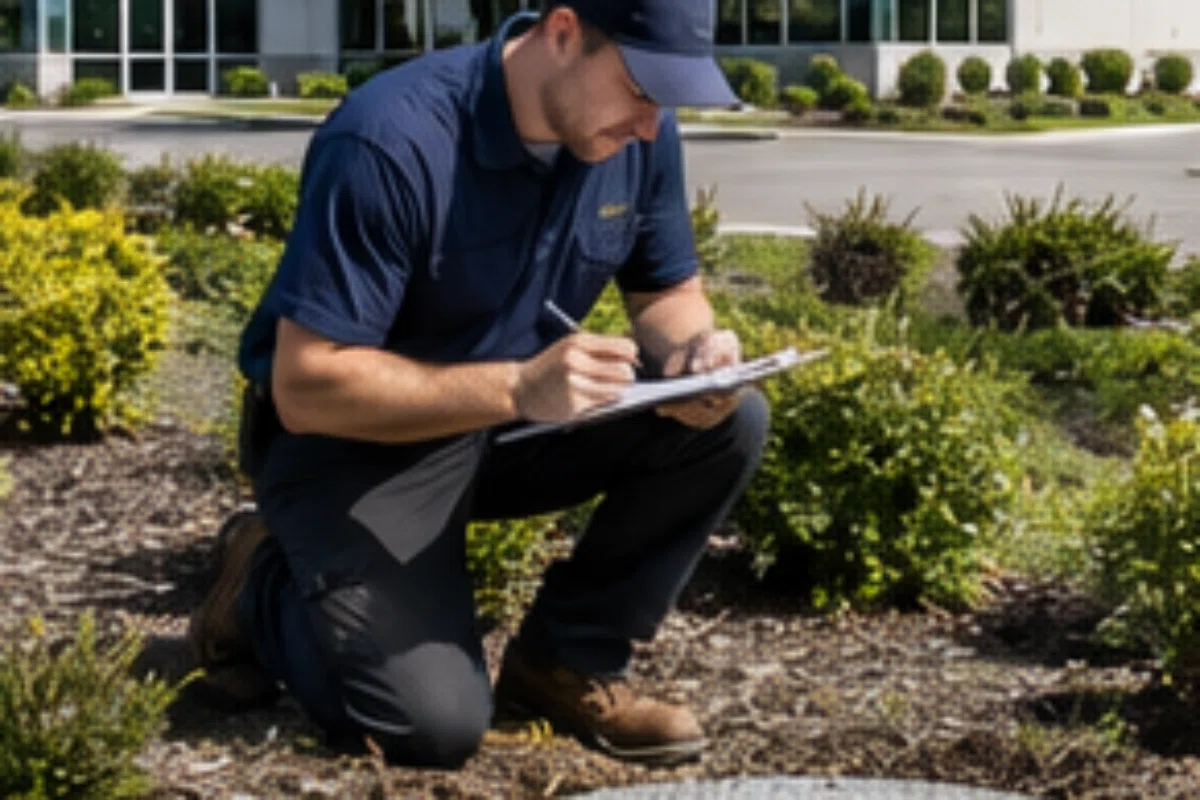
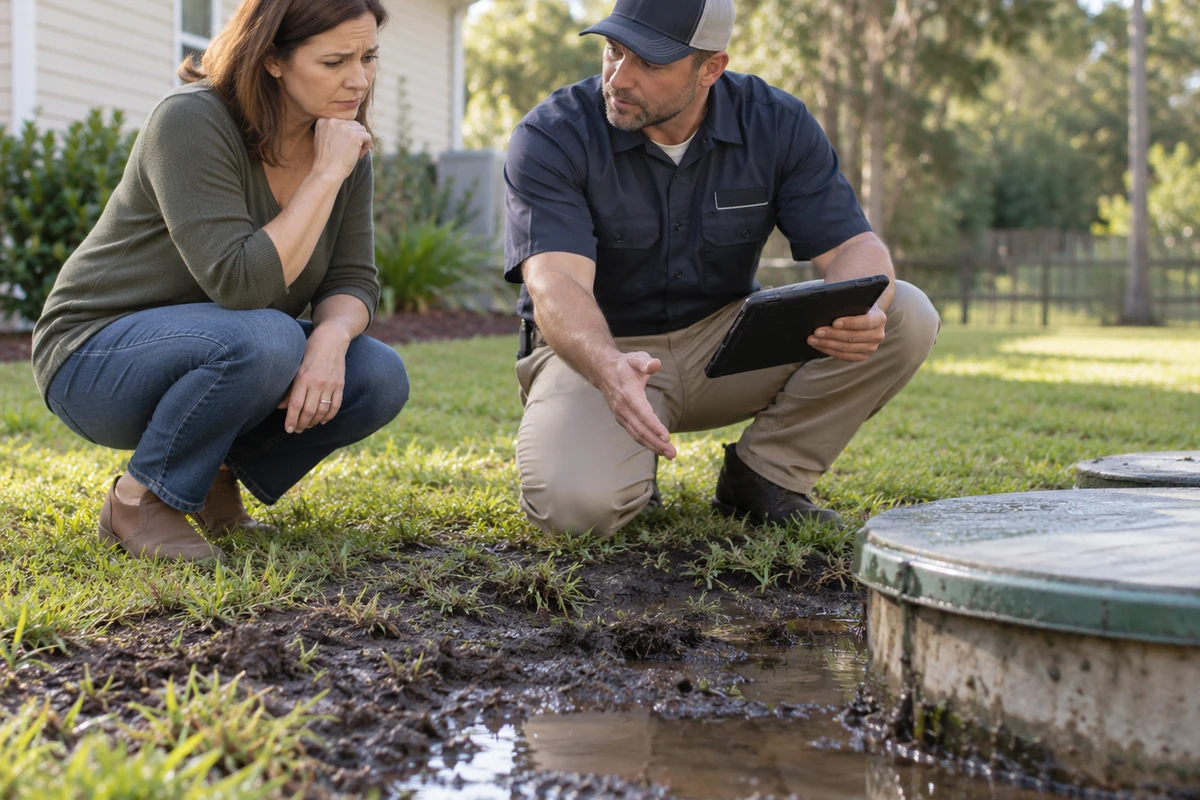
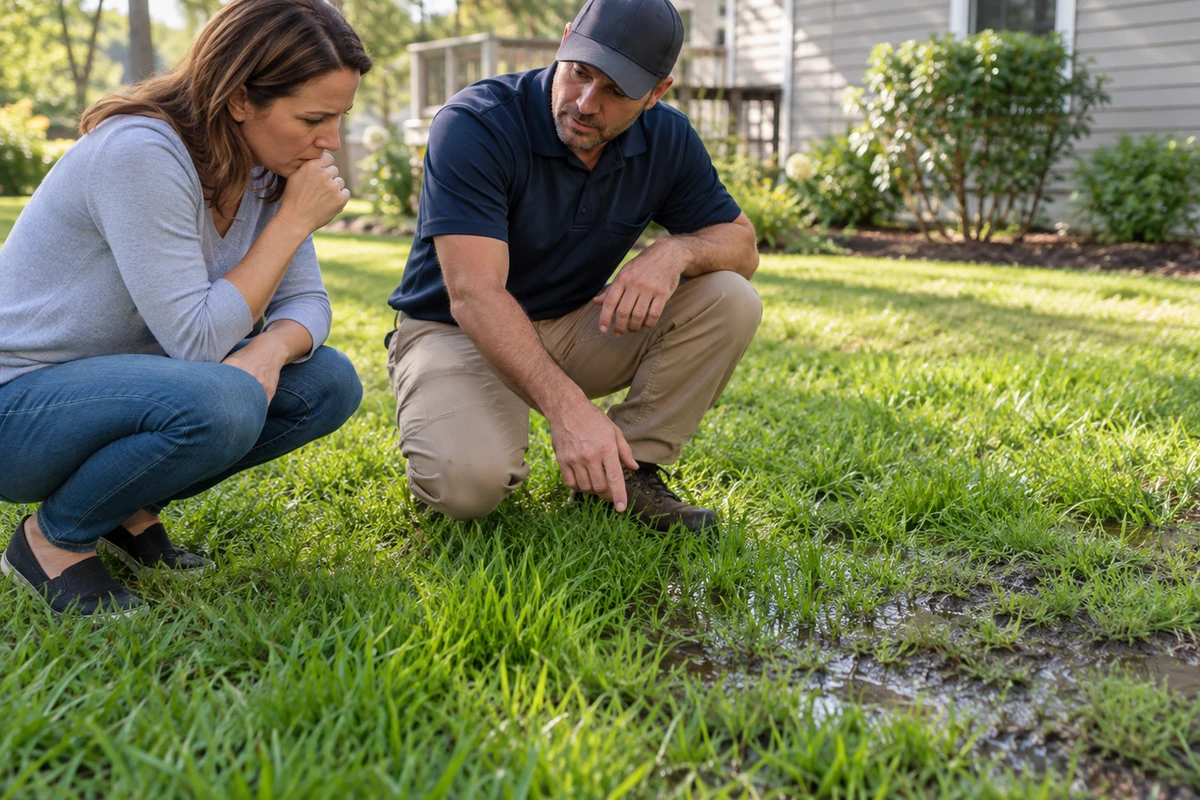
Common warning signs include surfacing wastewater, persistent wet ground, sewage odor and slow drainage affecting several fixtures. One symptom cannot confirm the cause. Recent rain, surface drainage, a blocked inlet line, a full tank or a failed pump may create similar conditions, so the system must be evaluated before repair is defined.
Wet, spongy or ponded soil appears over part of the drainfield during normal household use.
Sewage odor or discolored wastewater is present at the ground surface.
Grass above one trench stays unusually green or grows faster than the surrounding lawn.
Multiple indoor drains become slow or back up, especially after showers, laundry or other high water use.
The septic tank remains unusually high even though the outlet path should be open.
A distribution box is tilted, deteriorated, clogged or sending most flow to one lateral.
A camera or excavation identifies a separated, crushed, root-affected or obstructed lateral section.
Surfacing sewage is a health and safety concern. Keep children and pets away, avoid driving or mowing through the affected area and reduce wastewater use until the system is assessed. A septic tank and drainfield contain harmful gases and unstable spaces; property owners should not enter tanks or open unsafe access points.
Common Causes of Drainfield Damage or Poor Distribution
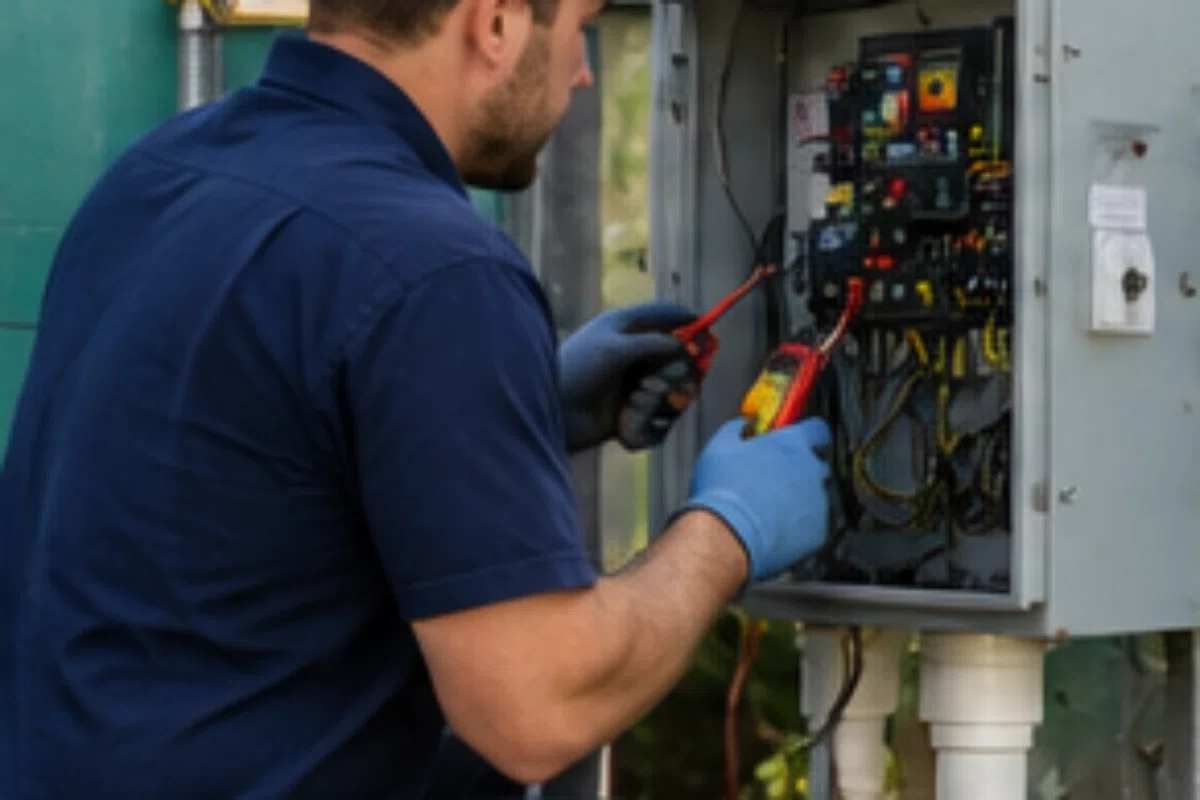
Drainfield symptoms may start with a damaged component, excessive hydraulic loading or declining soil-absorption performance. The same property can have more than one contributing factor, which is why a repair plan should separate what is observed from what still requires testing.
Uneven Effluent Distribution
A tilted or deteriorated distribution box can overload one trench while other laterals receive little flow. Settling, damaged outlets and accumulated solids may change how effluent is divided.
Broken or Obstructed Laterals
Pipe separation, crushing, root entry or sediment can restrict a section of lateral piping. The affected location and remaining field condition determine whether a limited repair is useful.
Excess Water Use
Closely spaced laundry loads, leaking fixtures and other high-volume use can send water through the system faster than the field can absorb it. Wet weather and groundwater may add stress at the same time.
Soil Compaction and Site Changes
Vehicles, heavy equipment, construction and added hardscape can compact soil, damage piping or change drainage around the field. Roof drains and sump discharge should not direct water toward the absorption area.
Solids Reaching the Field
Delayed tank pumping, a missing outlet tee or a damaged effluent filter can allow excess solids toward the distribution system. Solids loading may obstruct components and increase stress at the infiltrative surface.
Age, Biomat and Soil Limitations
Biomat is a biological layer that develops along the bottom and sides of drainfield trenches. It is part of the treatment process, but excessive loading or limited soil capacity can reduce infiltration. Diagnosis must consider the field design, loading history and current site conditions.
How We Diagnose and Handle Drainfield Repair
1. Verify the System Layout and History
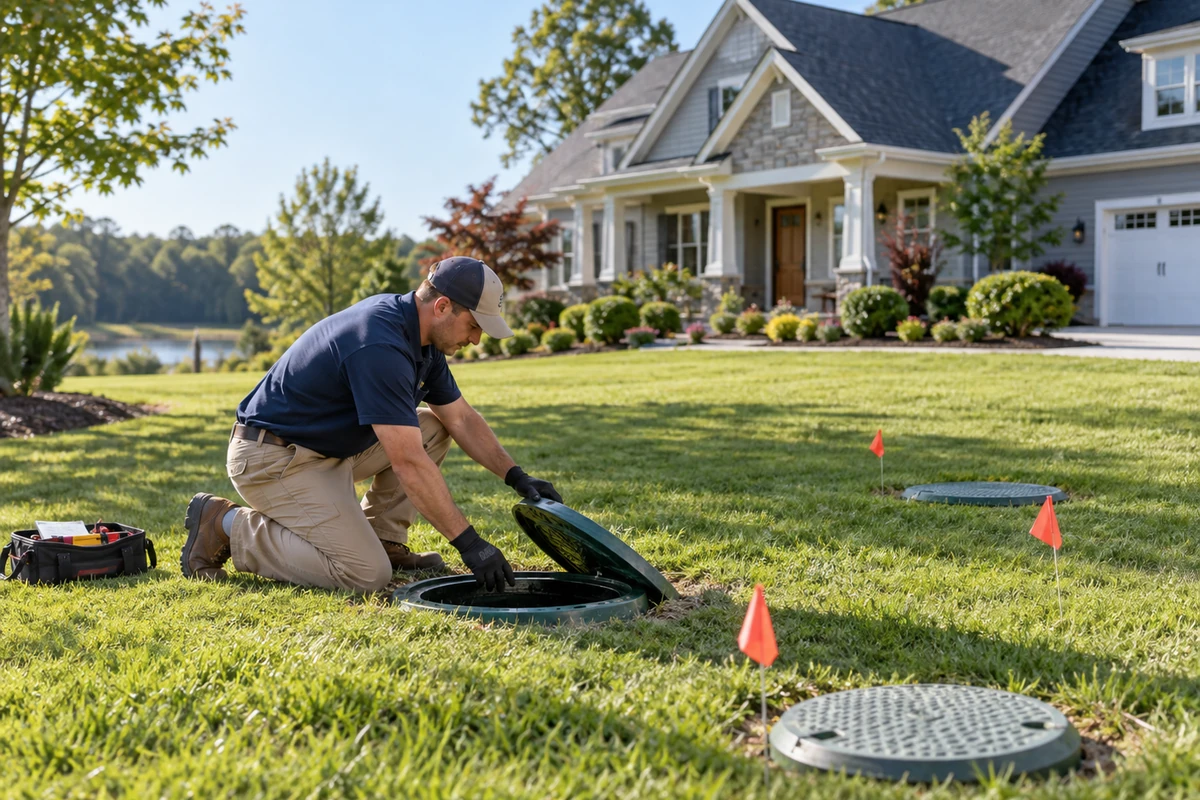
We review available installation records, maintenance dates, prior repairs and the reported symptoms. Tank size, field location, property use and recent weather provide context for the inspection.
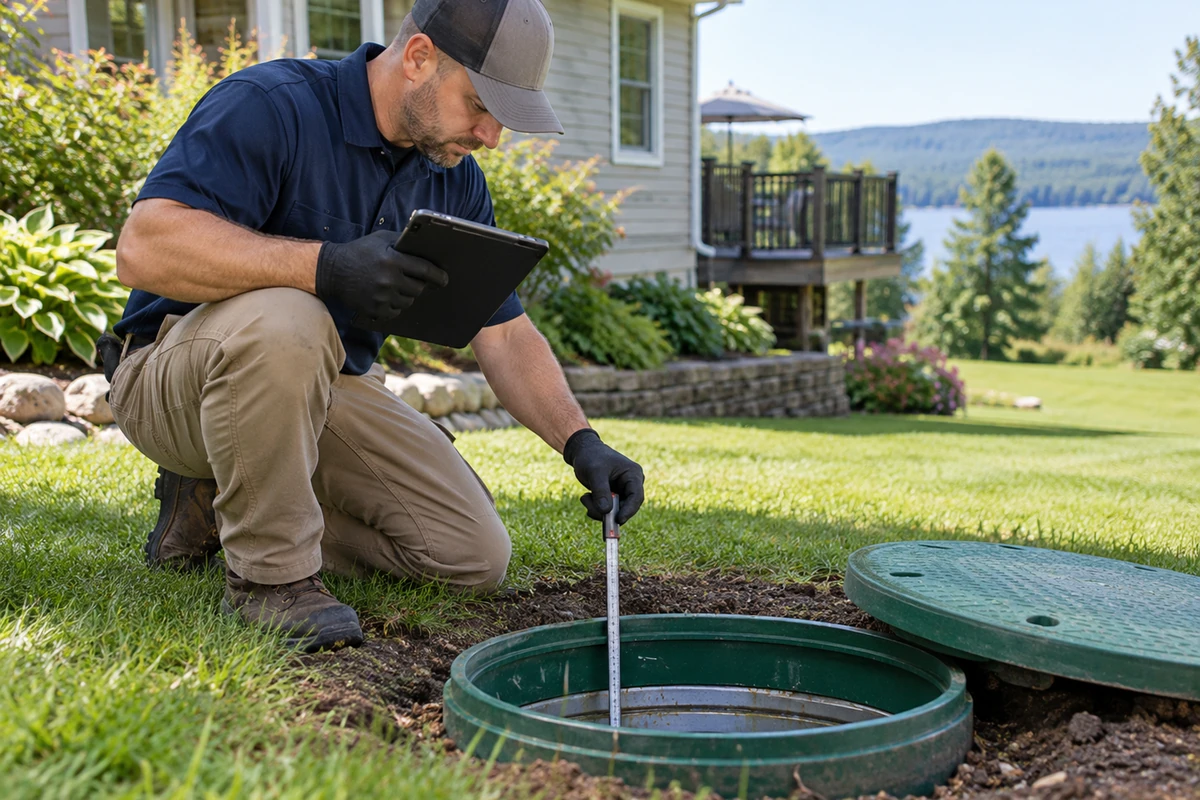
2. Inspect the Tank and Outlet Conditions
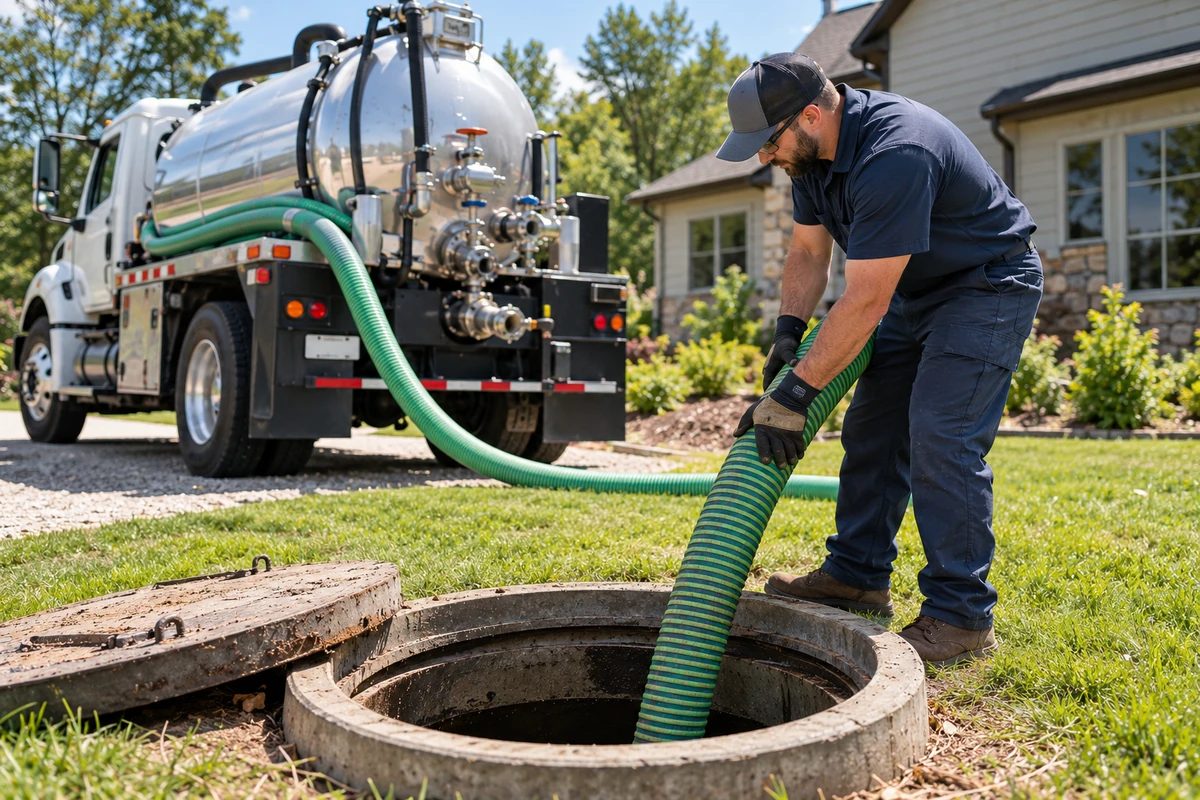
The liquid level and accessible outlet components help show whether flow is reaching the distribution area. Pumping may be needed for safe access or to separate tank conditions from downstream restrictions.
3. Locate and Evaluate Distribution Components
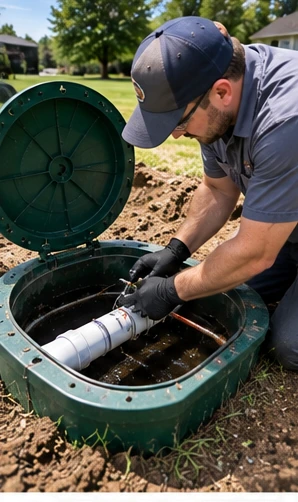
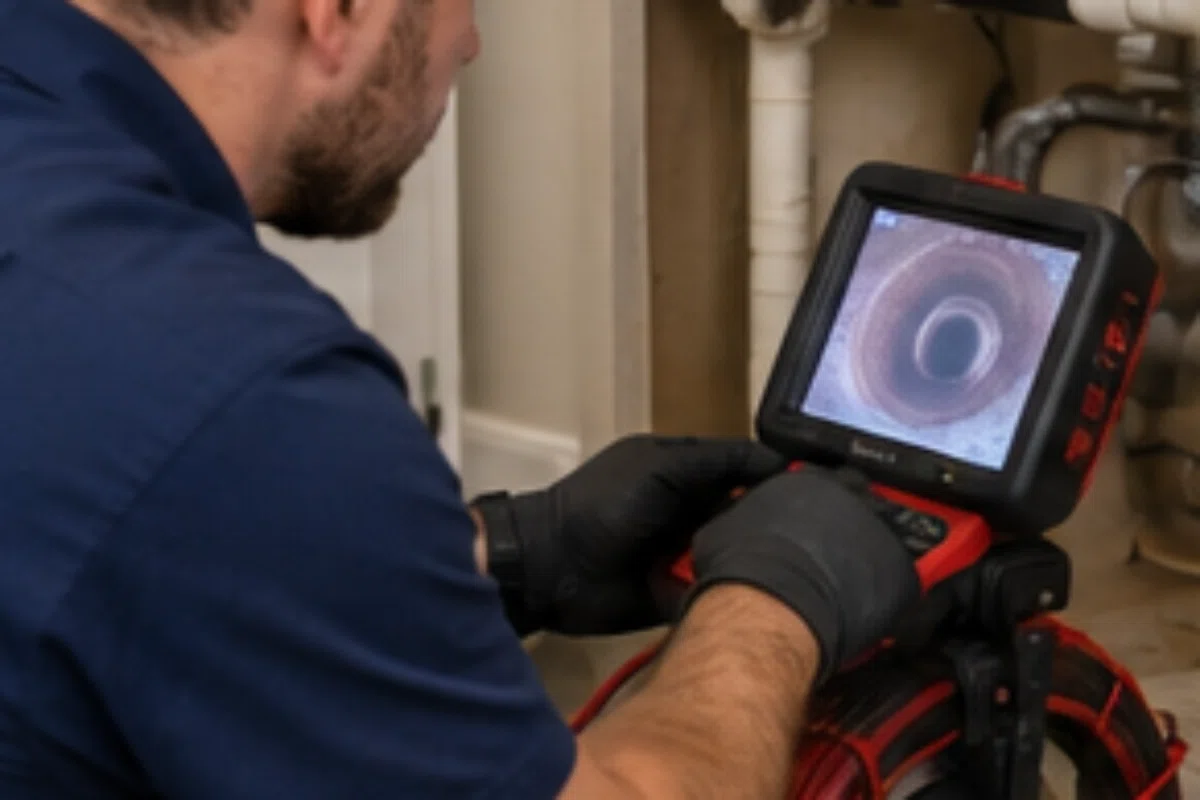
Locating tools, inspection equipment, a camera where appropriate and limited excavation may be used to examine the distribution box and accessible lateral connections. The scope states what can and cannot be confirmed.
4. Explain the Findings and Repair Options
We identify observed damage, likely contributing conditions and diagnostic limits. The recommended scope may involve leveling or replacing a distribution box, repairing a lateral section, further testing or planning replacement.
5. Approve the Scope Before Work
The written scope should identify labor, equipment, pumping, excavation, materials, permits when required and surface restoration. Unrelated tank, pump, line or landscaping work remains separate unless included.
6. Complete, Verify and Document
After the agreed repair, we check accessible connections and distribution conditions, secure disturbed areas and document the completed work. A repair record should also note remaining limitations and maintenance steps.
Can Every Drainfield Be Repaired?
No. A component-level repair is most useful when a defined defect is causing poor distribution and the remaining absorption area can still perform. Replacement may be more appropriate when laterals are extensively damaged, effluent repeatedly surfaces across the field, the site no longer supports the existing design or the soil absorption area cannot accept normal flow.
The final path may require site evaluation, permits or inspections under current Kentucky and Northern Kentucky Health Department requirements. System type, property boundaries, wells, structures, slopes and available replacement area can affect the approved solution. No repair should be described as permanent until the actual defect, site constraints and permitted scope are known.
What Affects Drainfield Repair Cost?
Drainfield repair cost depends on what failed and how safely it can be reached. A distribution-box adjustment usually has a different scope from excavating a deep lateral or replacing an absorption area. The following factors commonly affect the price:
Diagnostic work, system locating, records review and camera use where appropriate.
Tank pumping needed for access, testing or temporary level control.
Depth, soil conditions, groundwater and equipment access.
Distribution-box, piping, aggregate, chamber or other compatible materials.
Size and number of damaged areas, plus roots, compaction or prior alterations.
Required design work, permits, inspections and surface restoration.
A useful estimate separates diagnosis from the repair itself and identifies exclusions. A local price range should be added only after it is supported by current provider quotes or completed Northern Kentucky jobs. This avoids presenting a generic national figure as a reliable Covington price.
Related Drainfield and Septic Services
For damage isolated to field piping, see Septic Lateral Line Repair Covington.
For uneven flow or a damaged divider, see Septic Distribution Box Repair Covington.
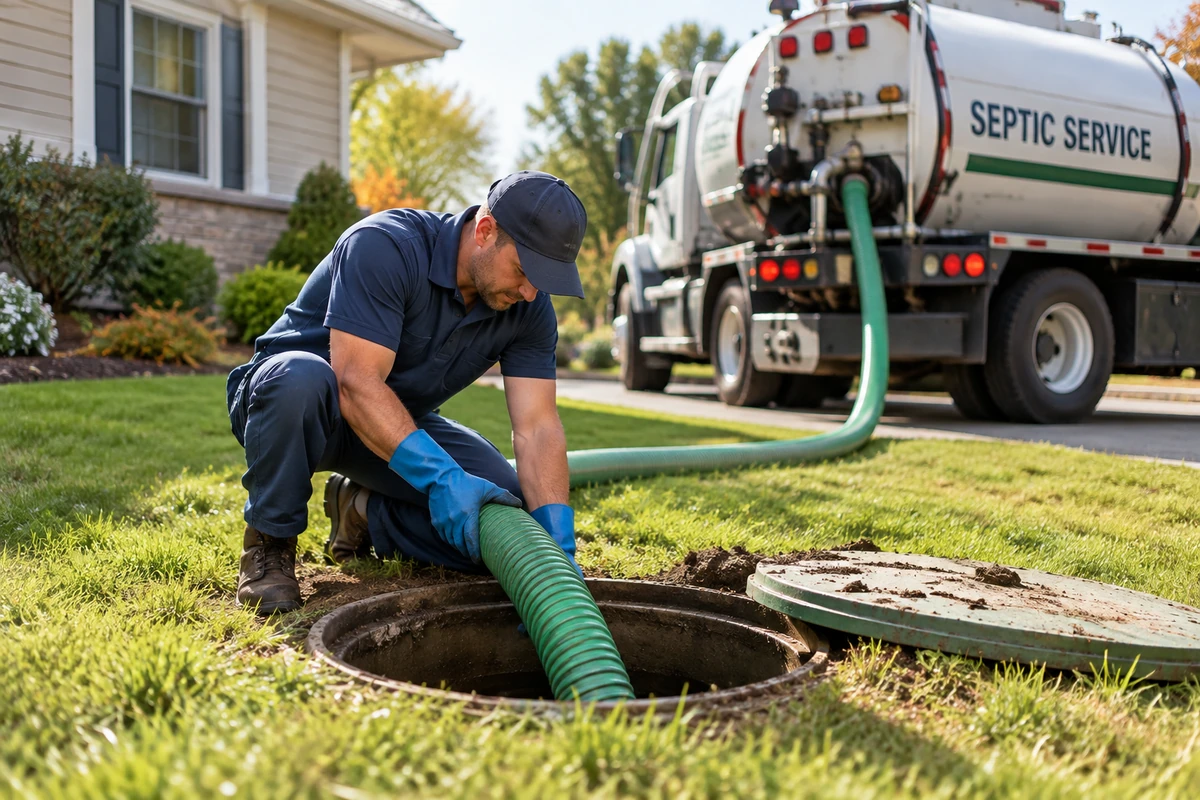
Routine tank emptying and solids removal are covered under Septic Tank Pumping Covington KY.
For broader questions about maintenance, warning signs and service limits, visit Septic Service FAQs.
Drainfield Service Areas Near Covington
Drainfield conditions vary across individual properties, even within the same community. Soil, slope, system age, lot layout and access matter more than a city name alone. Coverage includes Covington and approved areas of Kenton County and Northern Kentucky only when the property falls within the confirmed operating territory.
Review Areas We Serve Near Covington for current coverage information, including approved communities such as South Covington, Independence, Taylor Mill, Ryland Heights, Morning View, Piner and Kenton.
Frequently Asked Questions
Can septic pumping fix a failing drainfield?
Pumping may temporarily lower the tank level, but it does not repair broken distribution parts or restore a drainfield that cannot absorb effluent. A field diagnosis is needed to identify whether the problem involves the distribution box, lateral piping, soil absorption or another system component.
What does bright green or wet grass over the drainfield mean?
It can indicate excess moisture or nutrients, but rain, surface drainage and landscaping can produce similar patterns. Sewage odor or surfacing wastewater requires prompt professional attention. Avoid the affected area and reduce water use until the cause is assessed.
What is biomat in a septic drainfield?
Biomat is a biological layer that develops at the infiltrative surfaces along the bottom and sides of drainfield trenches. It participates in wastewater treatment. It is not hardened grease on septic tank walls, and an additive should not be presented as a guaranteed way to remove it.
How much does drainfield repair in Covington cost?
Cost depends on system size, access, depth, soil and groundwater conditions, equipment, materials and the amount of diagnosis or repair required. Pumping, excavation, permits and surface restoration may change the scope. A local range should be published only when supported by current provider quotes or completed jobs.
Where is drainfield repair available?
Service is available only within the operating provider's confirmed territory. The coverage hub identifies approved communities near Covington and across parts of Kenton County and Northern Kentucky. Property access, travel distance, site conditions and scheduling can still affect availability.