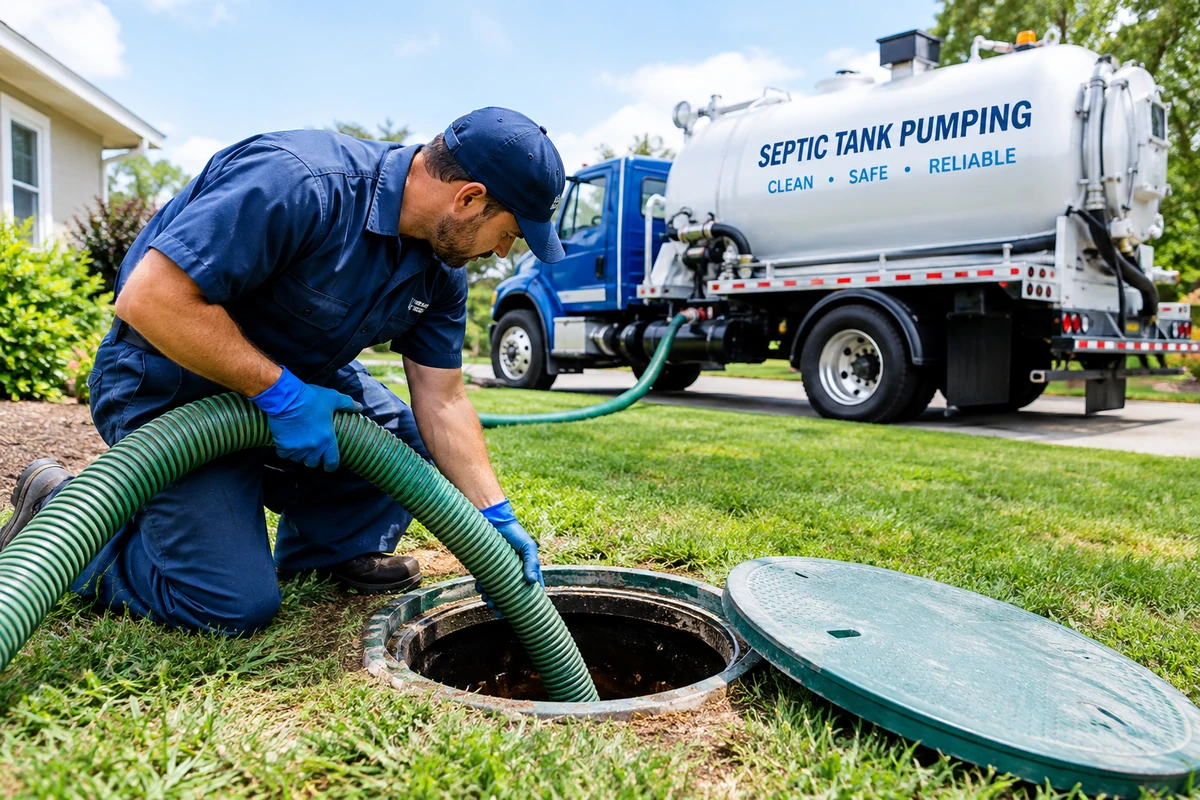
What Holding Tank Pumping Solves
A holding tank provides wastewater storage until a vacuum truck removes the contents for off-site disposal. Pumping restores available storage volume. It may support a business, managed property or approved residential use where a conventional soil absorption system is not serving the tank. The actual system type must be confirmed before work begins.
Holding tank pumping is different from routine septic tank pumping. A conventional septic tank separates solids and passes clarified liquid toward a drainfield. A holding tank is not emptied because sludge alone has accumulated; it must be emptied as the stored liquid approaches the tank's working limit. Tank capacity and daily water use therefore have a direct effect on service frequency.
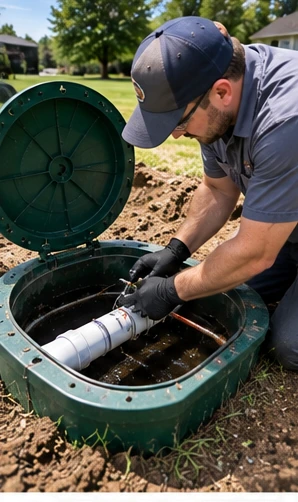
Pumping does not repair a leaking tank, failed float, damaged alarm, loose lid or unwanted groundwater entry. It also does not confirm that every pipe and component is sound. Observable defects should be documented so the next service matches the condition instead of assuming an empty tank solved the cause.
When May a Holding Tank Need Pumping
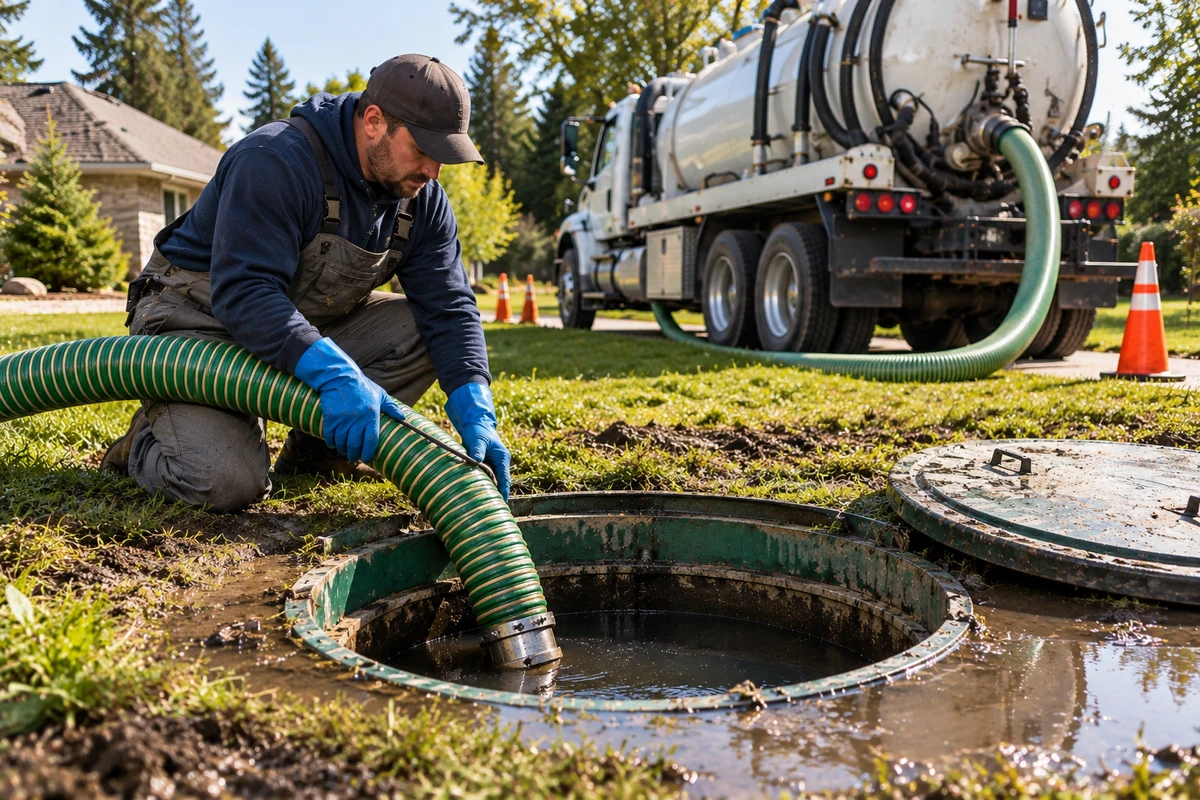
A holding tank may need pumping when its measured level, alarm, usage history or scheduled interval shows that safe storage is running low. Do not wait for sewage to surface or back up. These signs and planning factors help define the timing and scope.
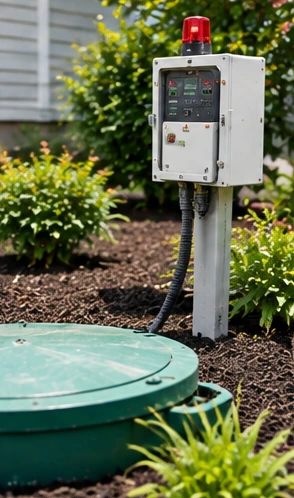
A high-level alarm or indicator activates when one is installed.
The tank is nearing the pumping interval shown by recent service records.
Occupancy, restroom use, laundry or other approved wastewater use has increased.
Fixtures drain slowly or back up while the tank level is unusually high.
Odor, damp soil or visible wastewater appears near an access opening.
The tank capacity, last service date or normal fill pattern is uncertain.
The tank fills materially faster than its established usage pattern suggests.
A fast refill can result from higher use, a plumbing leak, groundwater entry, an incorrect capacity record or another condition. A single slow fixture can also be a local drain blockage. The level and service history provide context, but additional diagnosis may be needed.
How We Handle Holding Tank Pumping
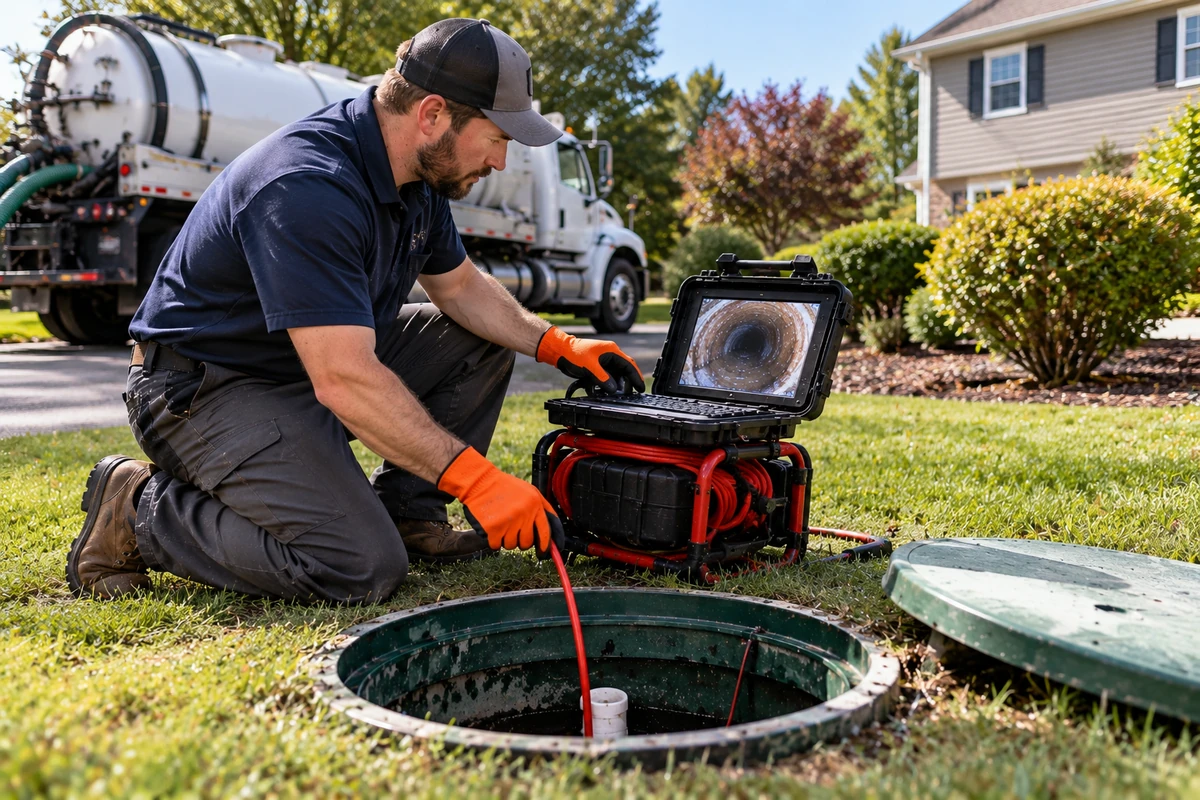
1 Confirm the Tank and Service Scope
We confirm that the system is a holding tank, review available capacity and pumping records, and identify the approved wastewater source. Unknown contents or process wastewater can change handling and disposal requirements.
2 Plan Safe Access
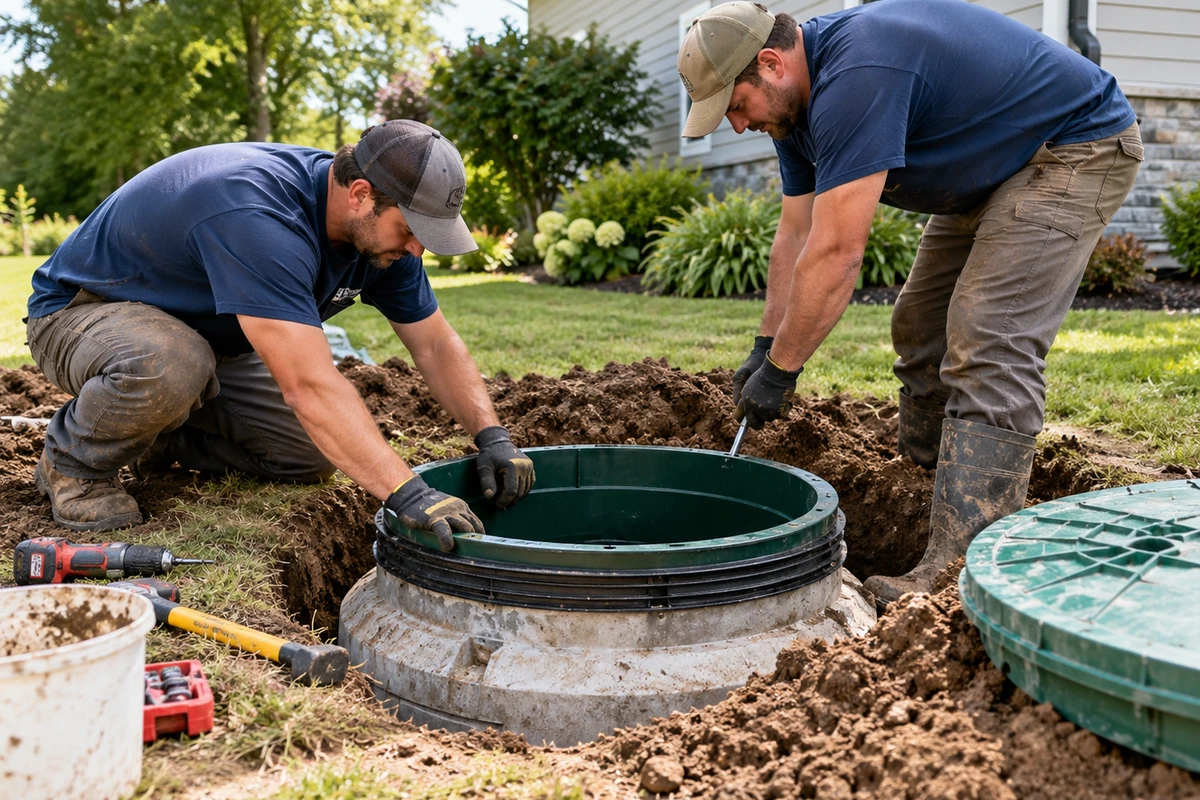
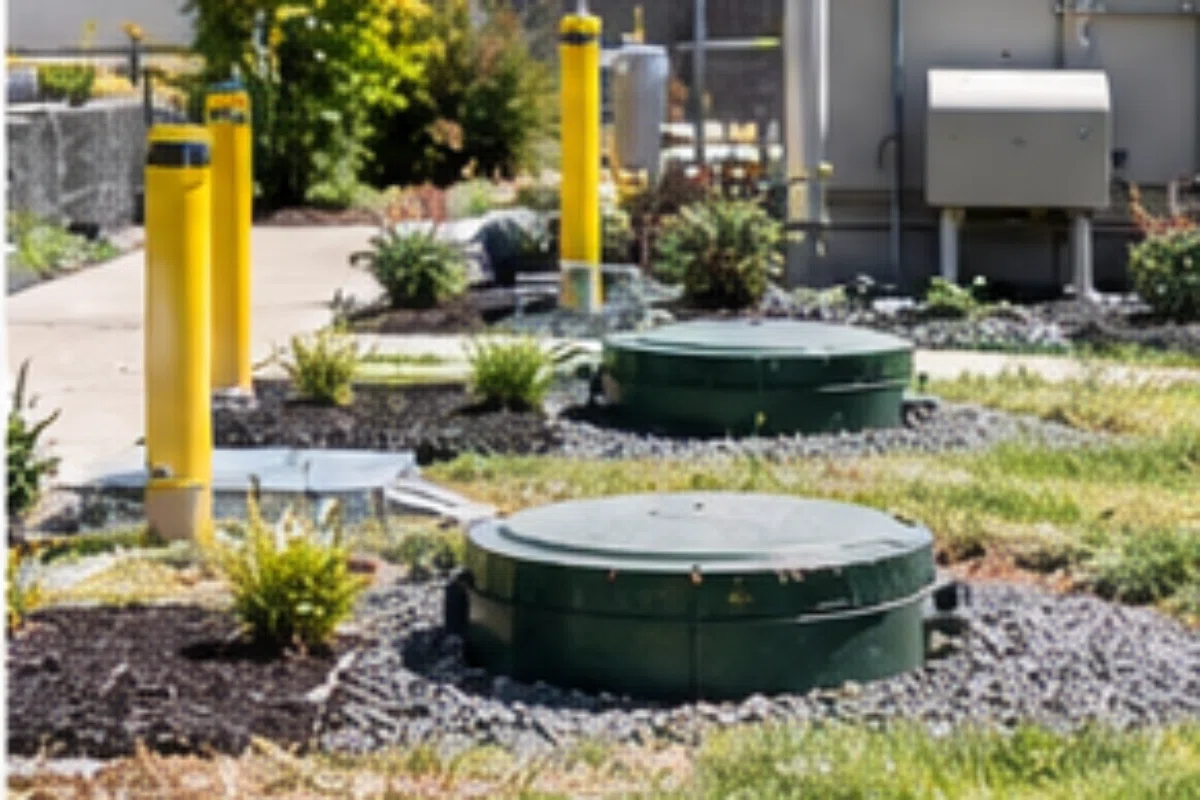
We review lid depth, access equipment, hose route, vehicle placement, gates, traffic and nearby activity. The work area must allow safe access without placing unnecessary load over the buried tank.
3 Check the Level and Reachable Conditions
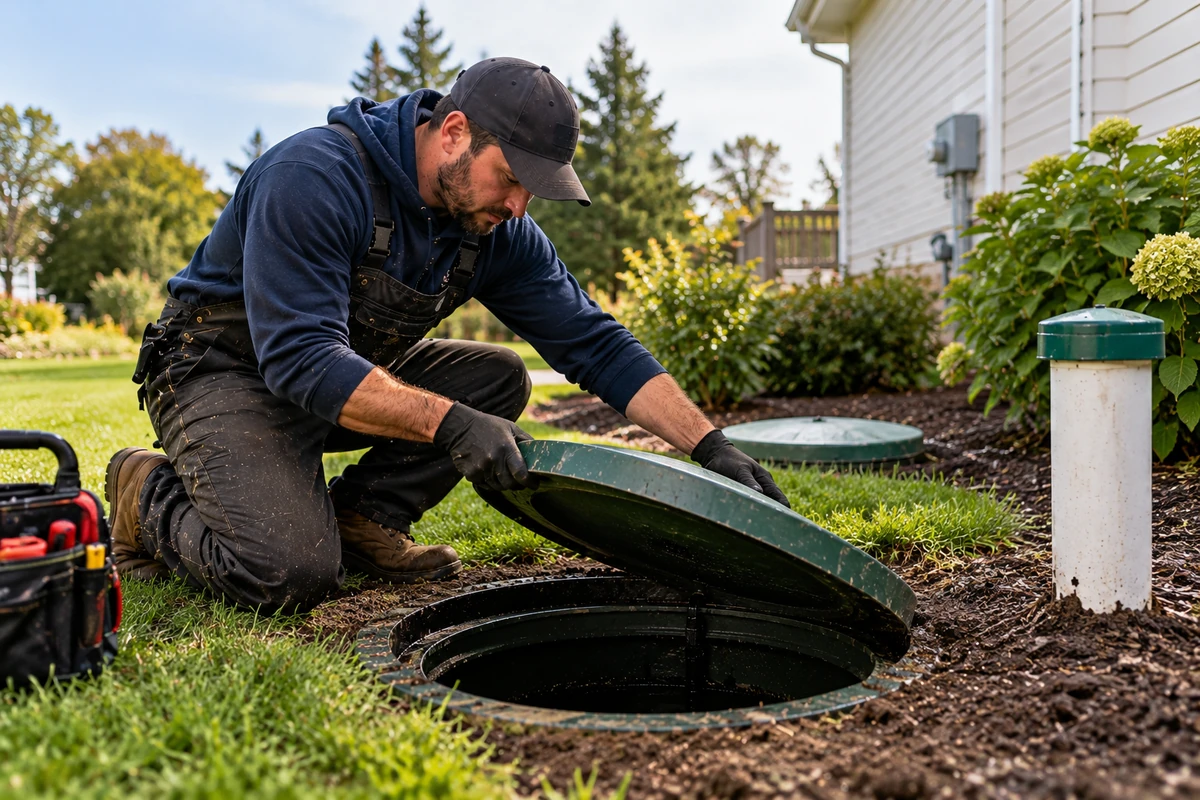
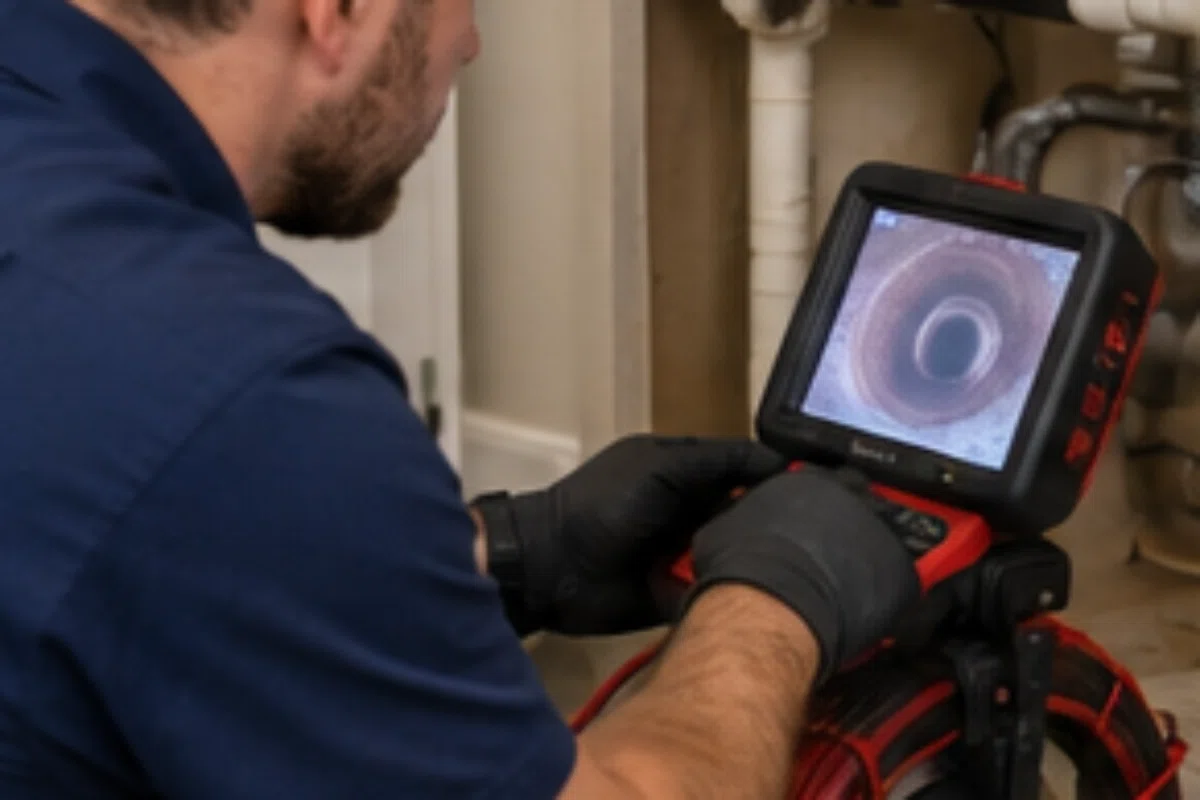
The current liquid level and any available alarm information are noted. Accessible lids, risers and visible tank conditions are observed when they are within the agreed scope and can be checked safely.
4 Pump the Agreed Contents
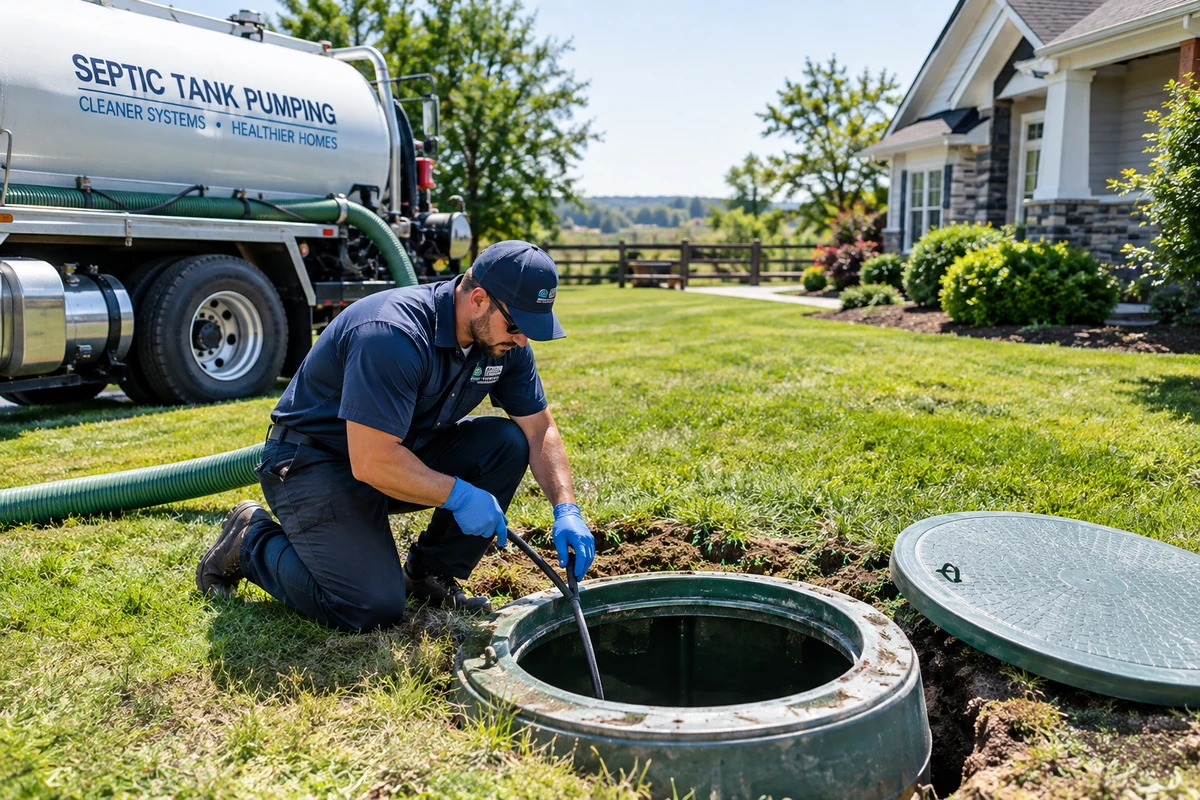
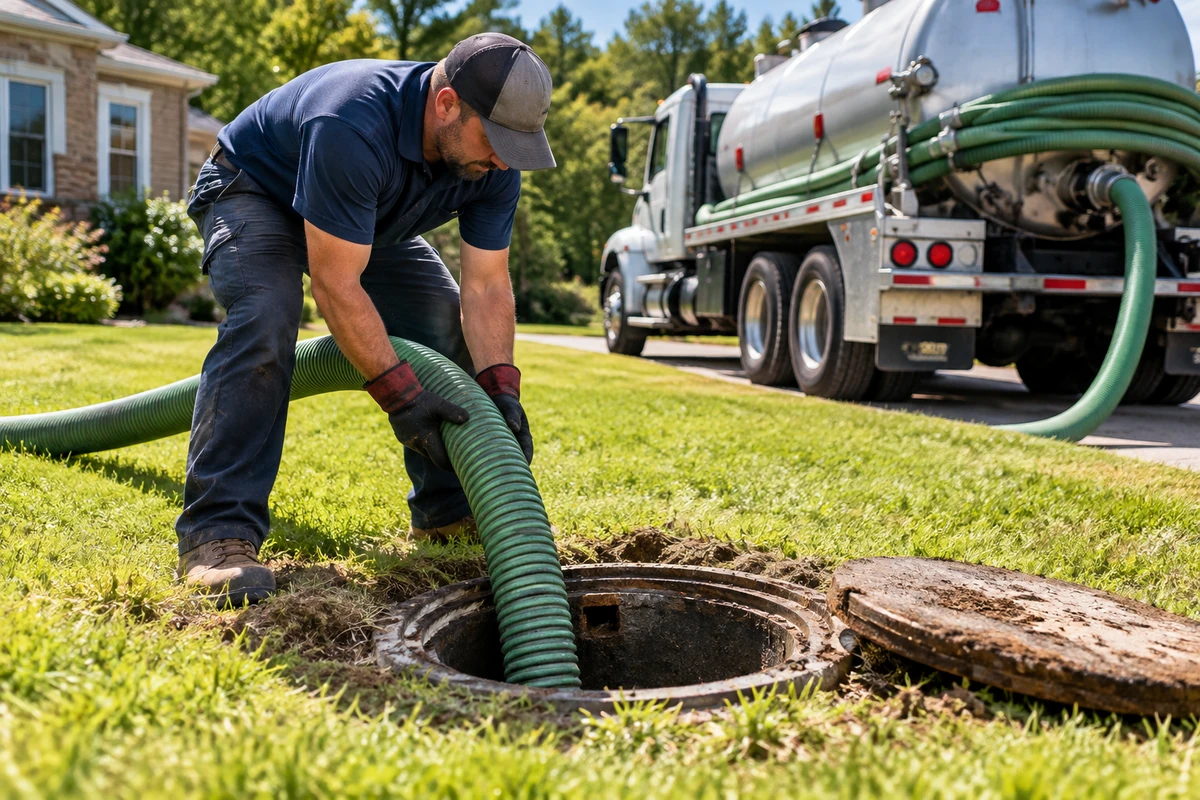
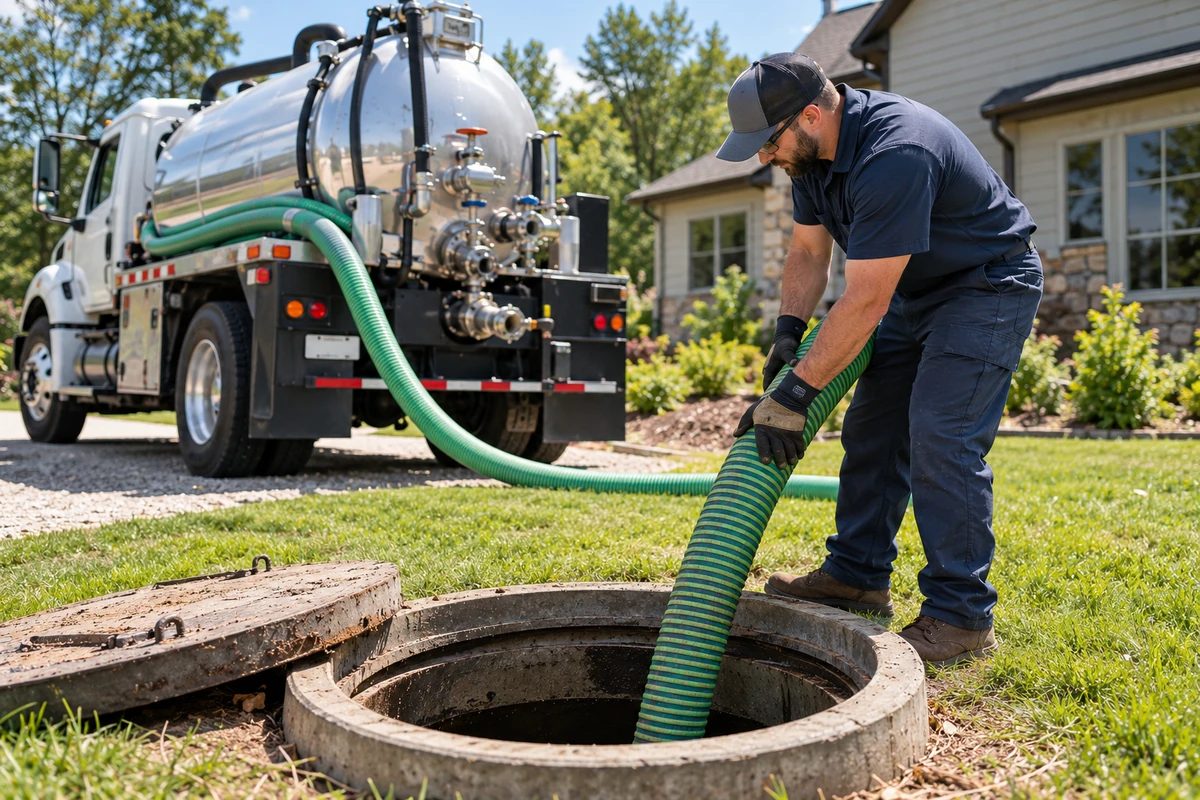
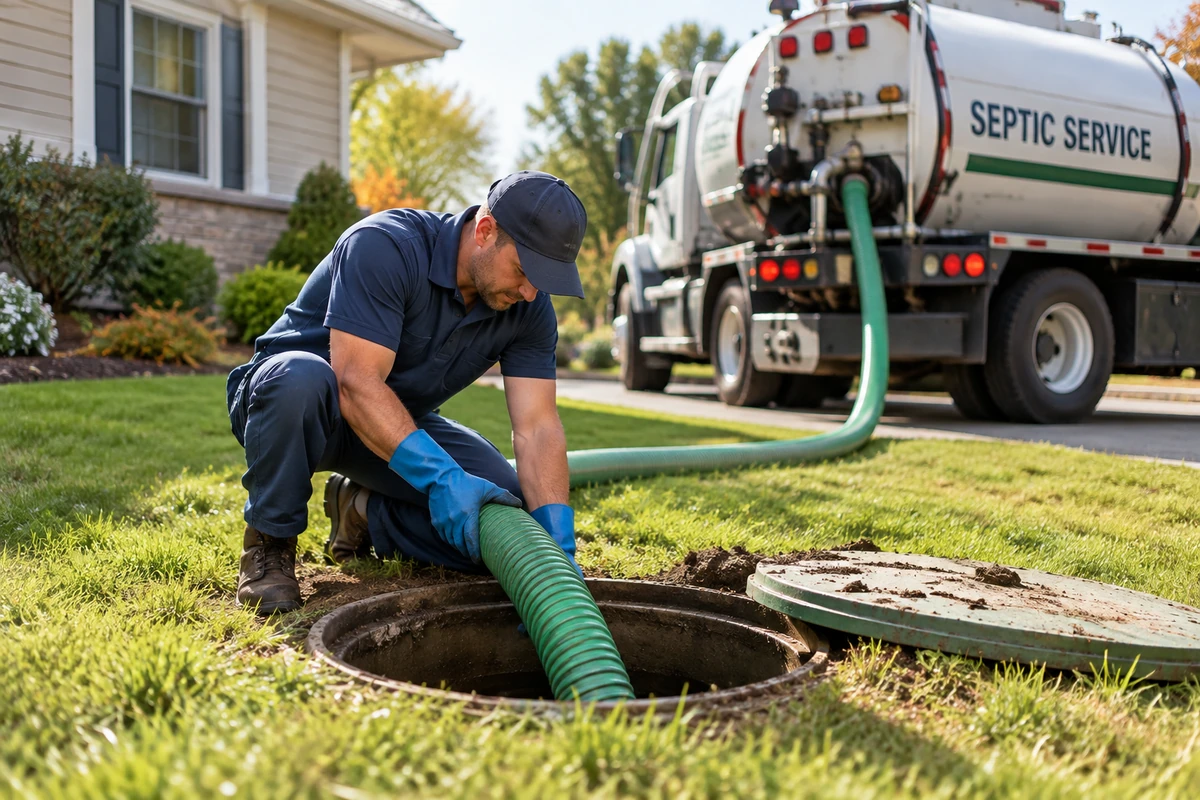
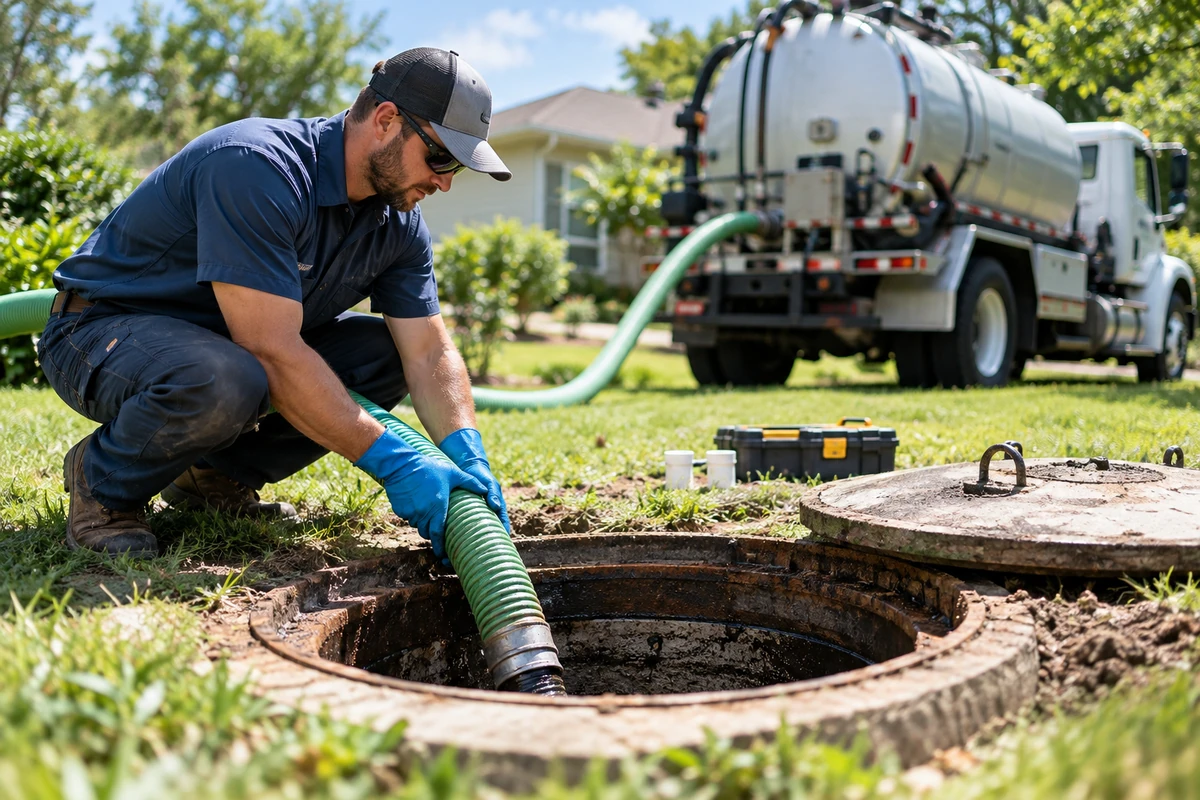
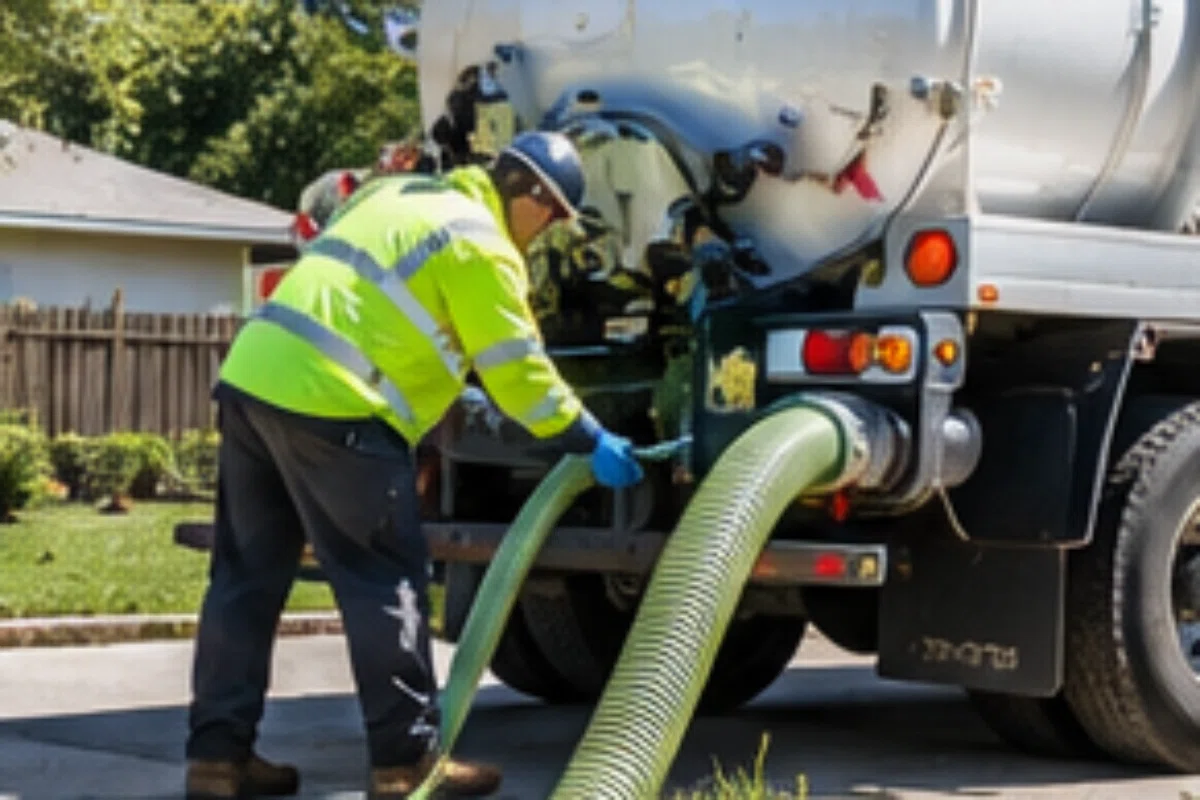
A vacuum truck, hoses and safety equipment are used to remove the agreed contents. Unexpected material, an inaccessible opening or an unsafe condition is addressed before the work scope changes.
5 Secure, Haul and Document
Access openings are secured after pumping. The material is hauled through the applicable lawful disposal process, and the service record identifies the tank, date, work completed and relevant observations.
Kentucky's onsite-system component standard recognizes holding tanks as system components used for limited pretreatment and storage before off-site disposal. Installation, alteration and approved use are separate from a routine pumping visit and may involve the local health department.
Waste source matters. Kentucky's domestic septage disposal rule includes holding-tank material only when the tank receives domestic sewage and excludes commercial or industrial process wastewater from that definition. The state's septic tank servicing requirements also address operator licensing, vehicle and equipment conditions, disposal and service documentation.
What Affects Holding Tank Pumping Cost
Cost depends on tank capacity, volume removed, pumping frequency, lid depth, access equipment, hose distance, truck placement, travel, material condition and any added diagnosis or repair. Buried access, an unknown tank, nonstandard contents or difficult site access can change the scope. A Northern Kentucky range should be published only when current provider quotes or completed jobs support it.
Related Holding Tank and Septic Services
For pumping a conventional commercial septic tank, see Commercial Septic Pumping Northern Kentucky.
For the site's primary pumping topic, see Septic Tank Pumping Covington KY.
Review Areas We Serve Near Covington for the location directory.
Frequently Asked Questions
How is a holding tank different from a septic tank?
A holding tank stores wastewater and must be emptied as it fills. A conventional septic system separates solids and sends clarified effluent to a soil absorption field.
How much does holding tank pumping northern kentucky cost?
The cost of holding tank pumping northern kentucky depends on system size, access, depth, condition, travel, equipment, and any additional diagnosis or repair. Publish a local range only after it is supported by current provider quotes or completed jobs.
How does this page differ from Commercial Septic Service Northern Kentucky?
This specialty page is nested under commercial service but may also serve approved residential holding-tank users.