What Does Commercial Septic Service Cover
Commercial septic service covers the parts of an onsite wastewater system that support a business, managed property or institution. The work starts with the system layout and the facility's wastewater pattern. A restaurant, office, church, shop, lodging property or other facility can place a different hydraulic and solids load on the same nominal tank capacity.
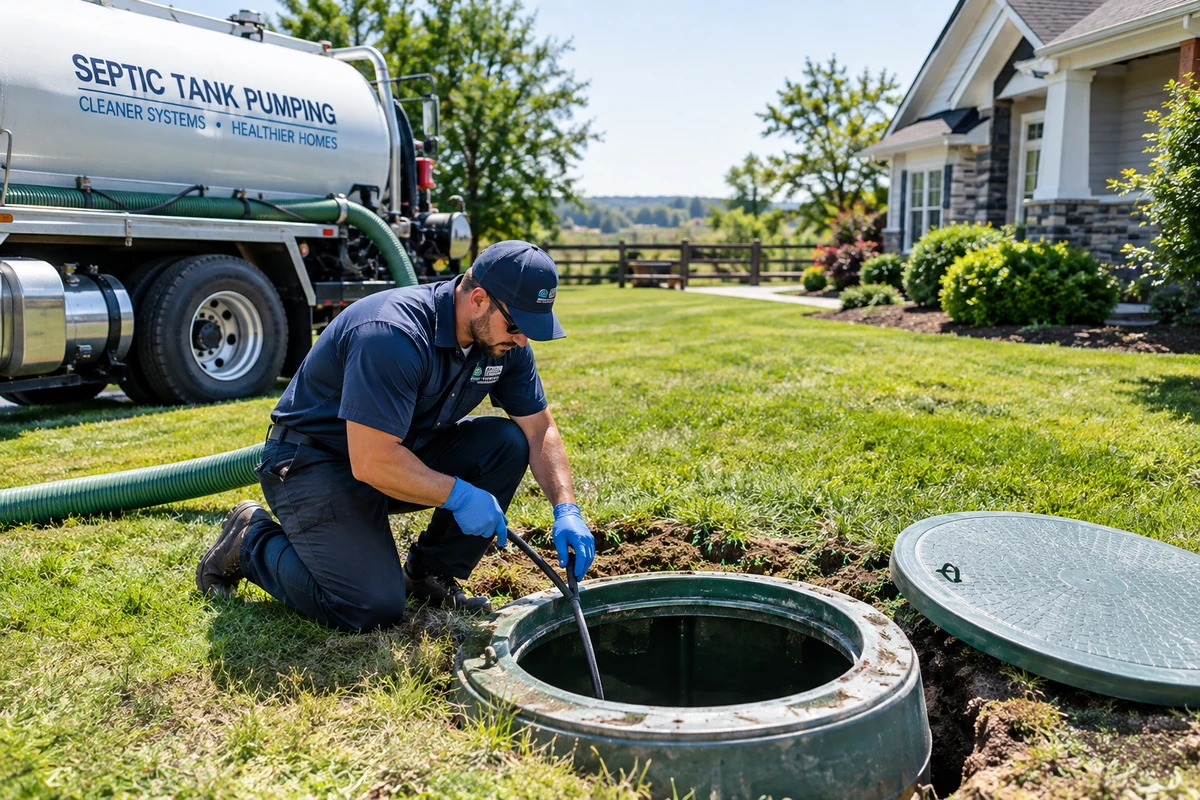
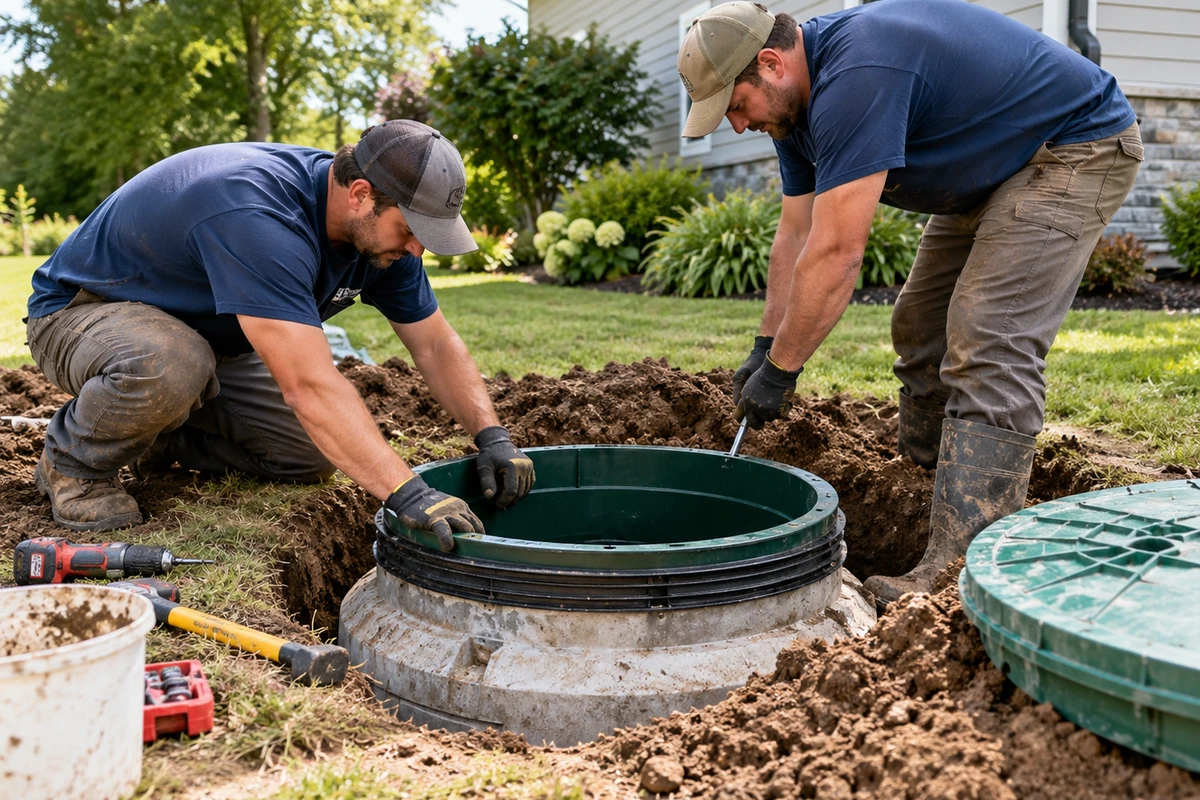
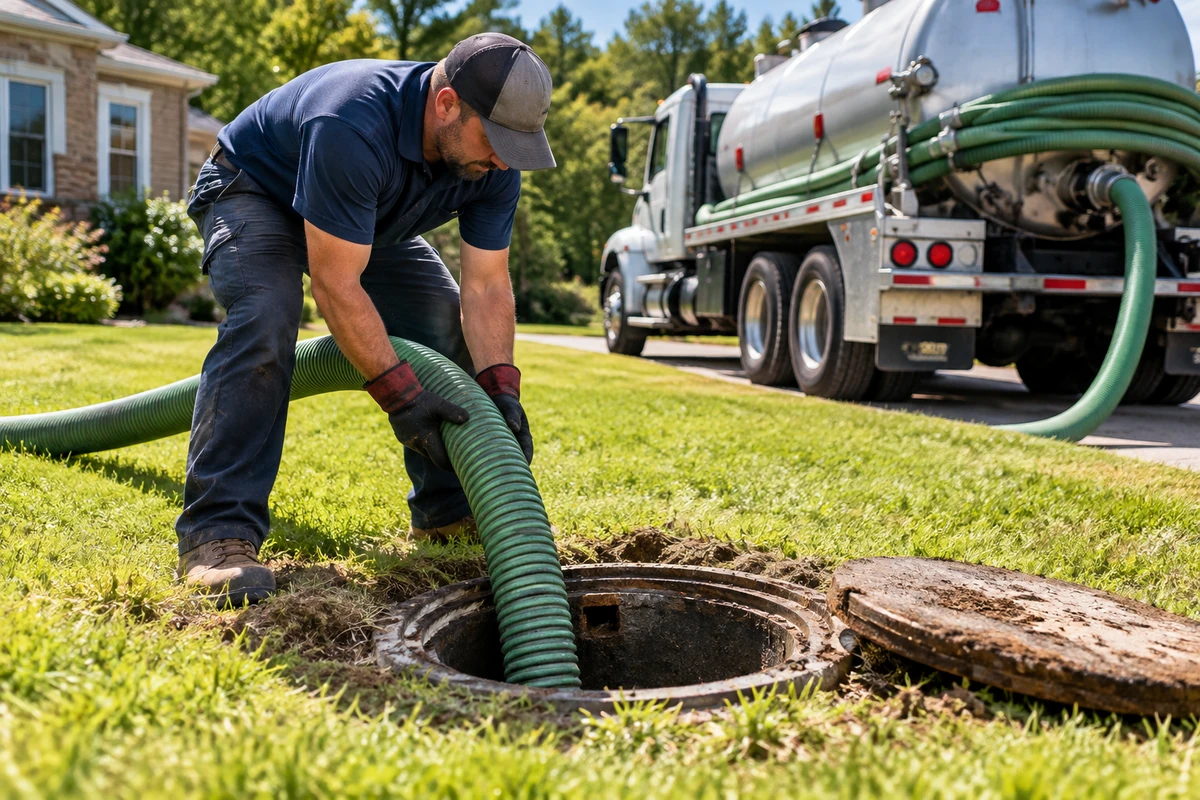
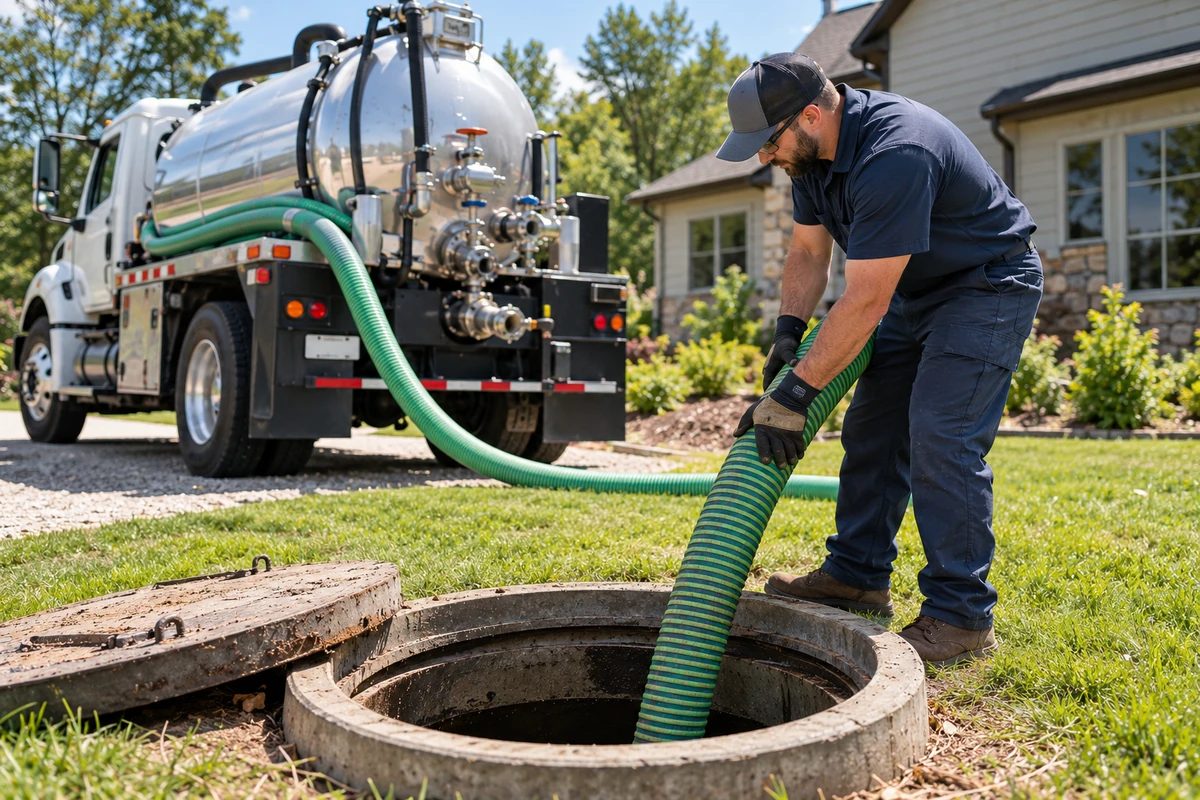
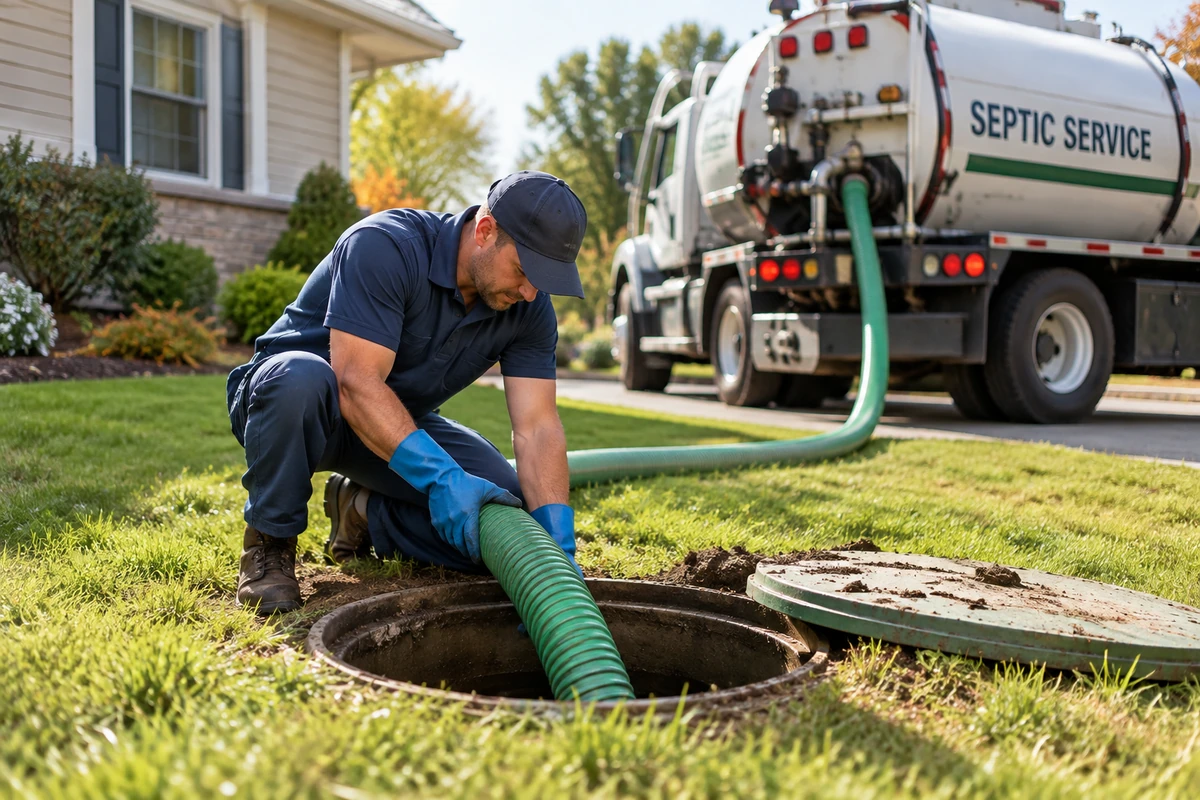
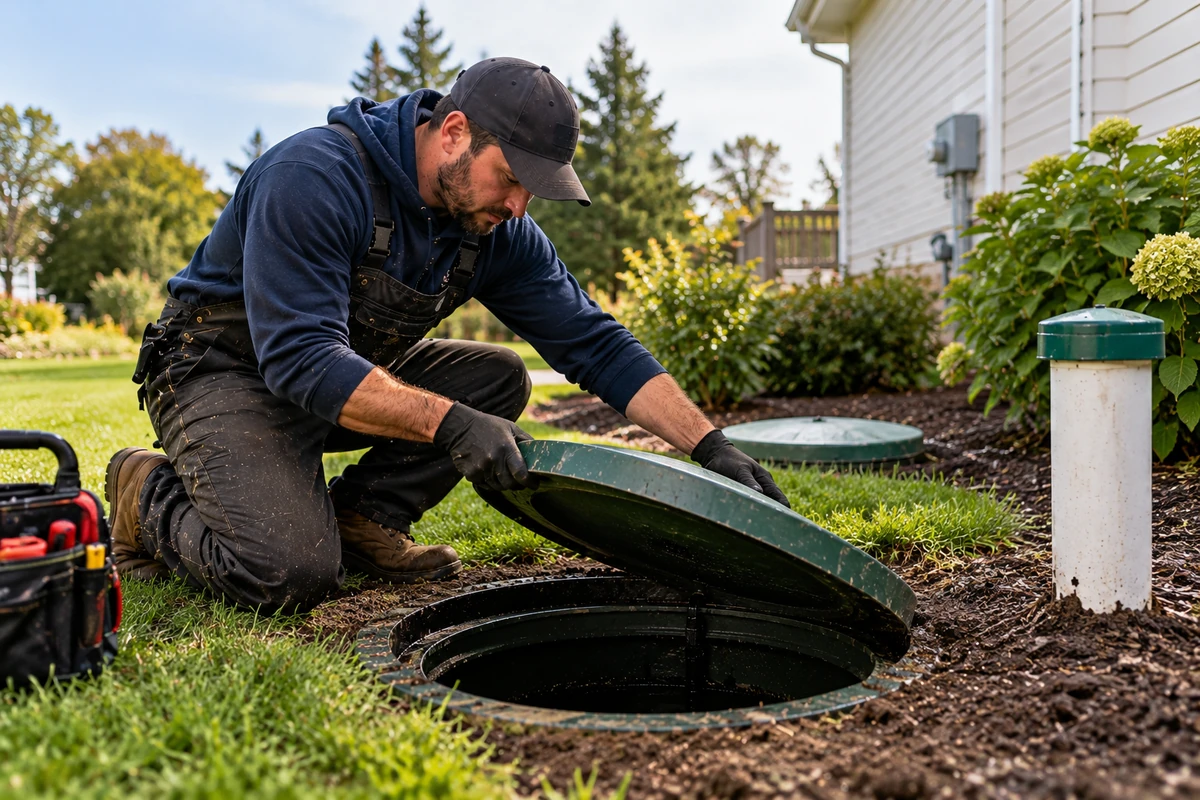
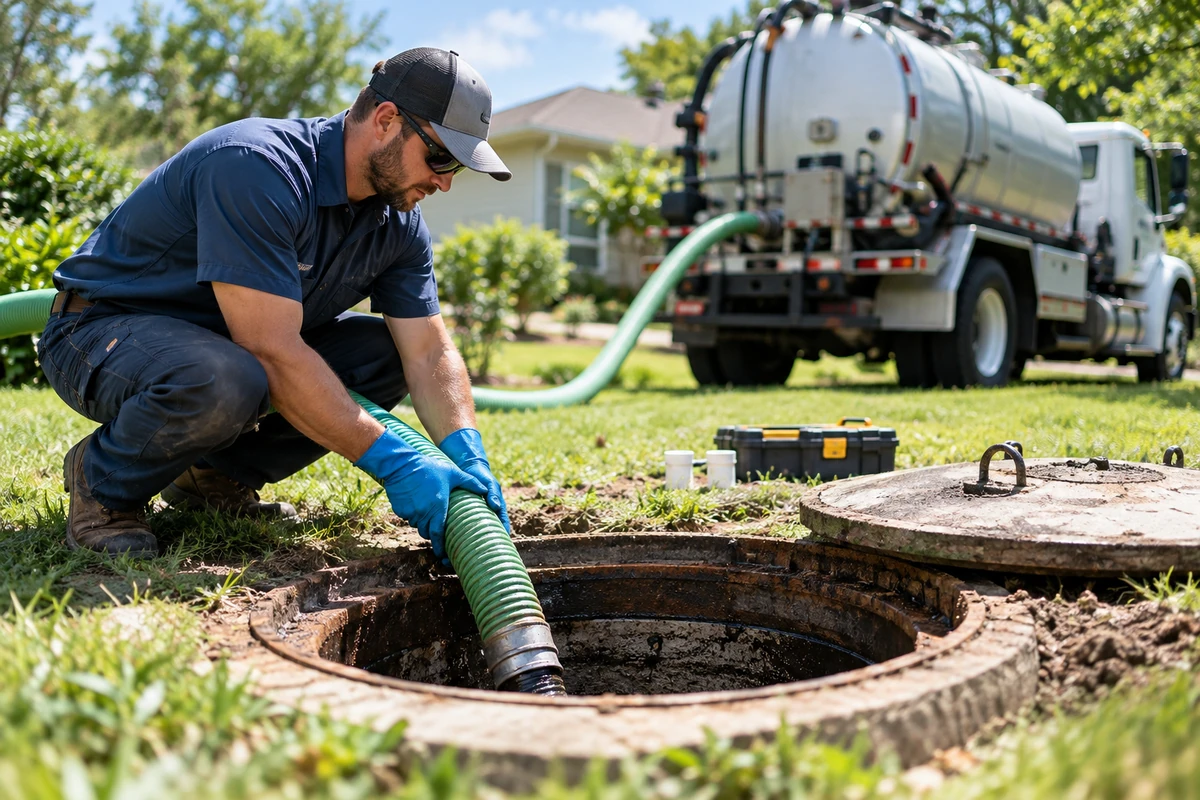
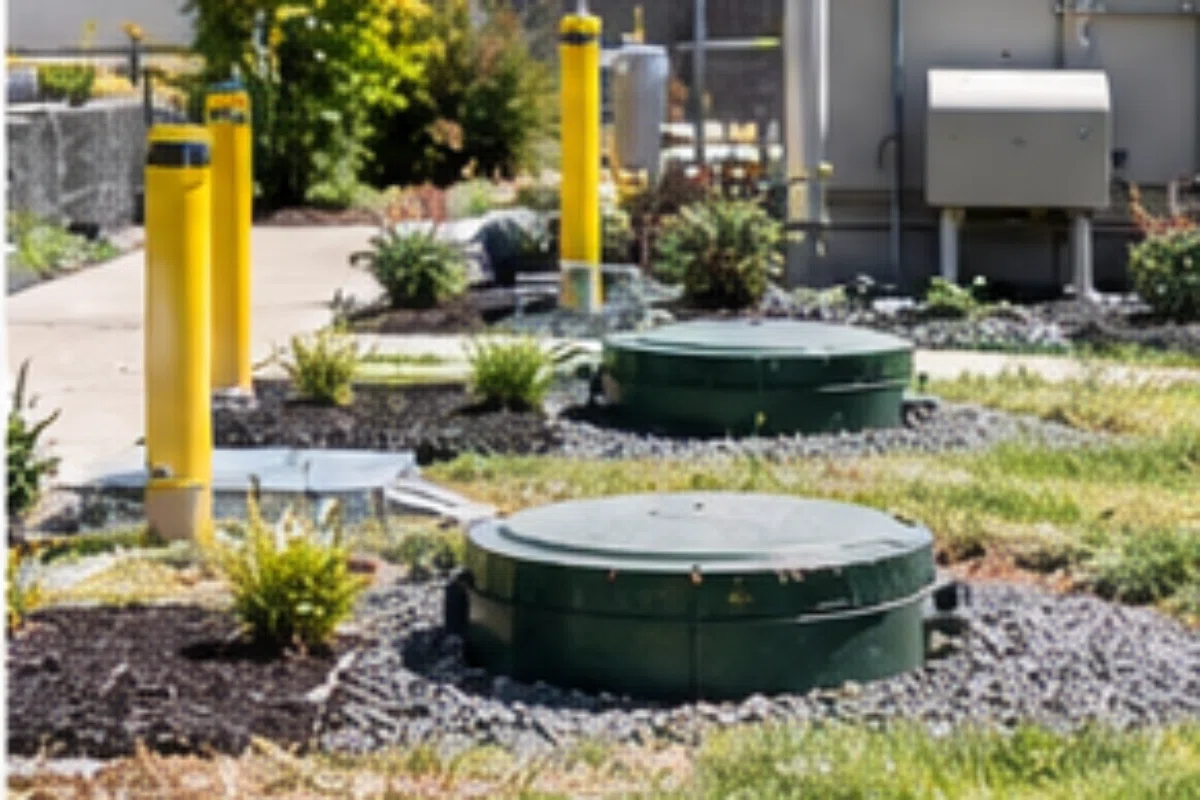
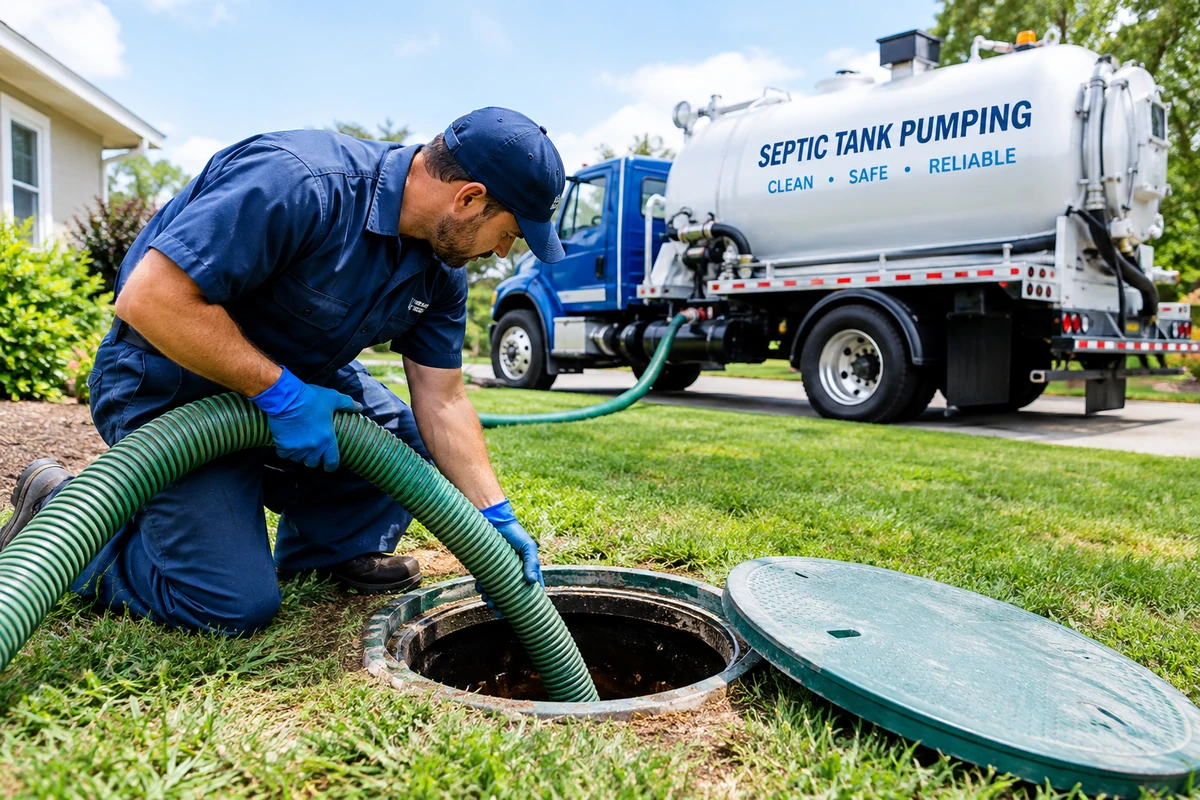
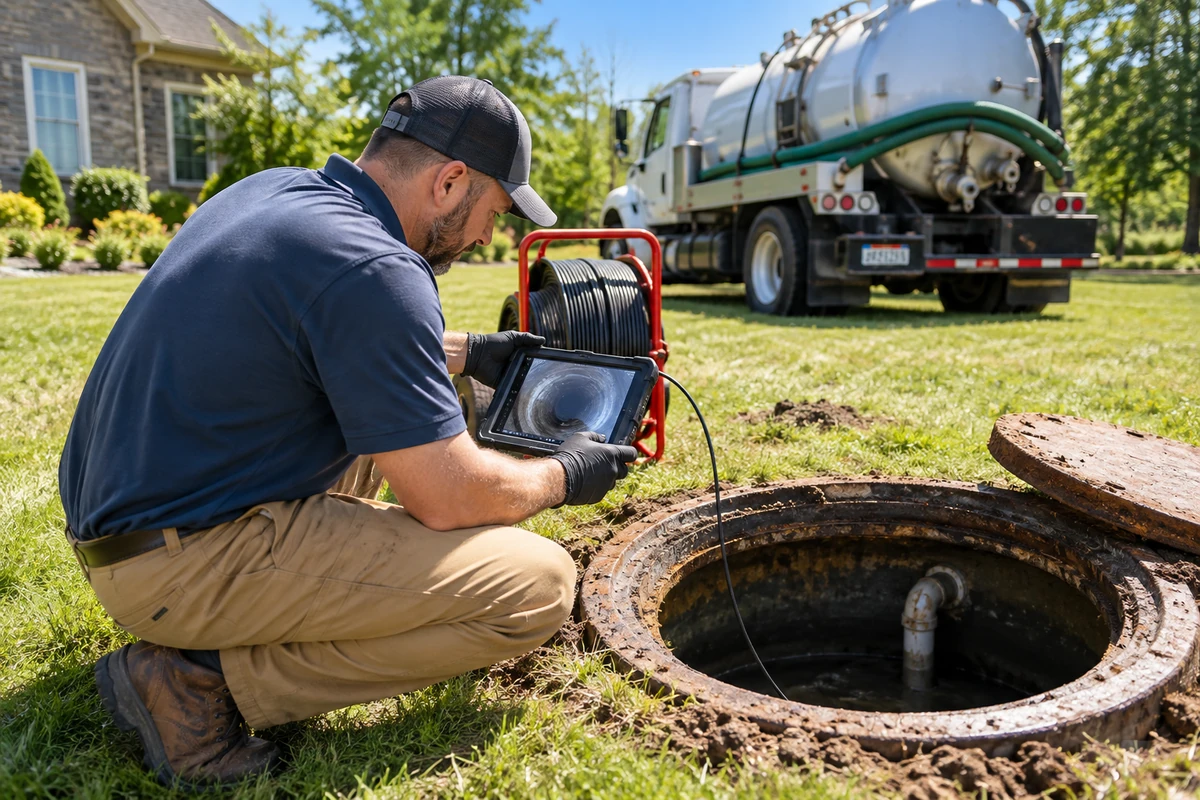
A service visit may include locating safe access, opening tanks or pump chambers, checking liquid and solids levels, inspecting reachable inlet and outlet components, examining an effluent filter, reviewing pump or alarm conditions and pumping when needed. The required setup may include a commercial-capacity vacuum truck and hoses, access and measuring tools, diagnostic equipment, safety controls and service documentation.
The scope can also include a maintenance schedule based on measured conditions and actual use. Records from earlier pumping, repairs, alarms and inspections help show whether the interval is working. A useful record identifies the service date, work completed, observed conditions and recommended follow-up. It should not turn an unverified assumption into a diagnosis.
Commercial service does not automatically include excavation, electrical repair, drainfield replacement, engineering, grease-trap work, industrial-waste handling or permitted system alteration. Those needs require a separate scope and, in some cases, approval from the relevant authority. Defining exclusions early helps the facility plan access, downtime and follow-up work.
When Does a Commercial Septic System Need Attention
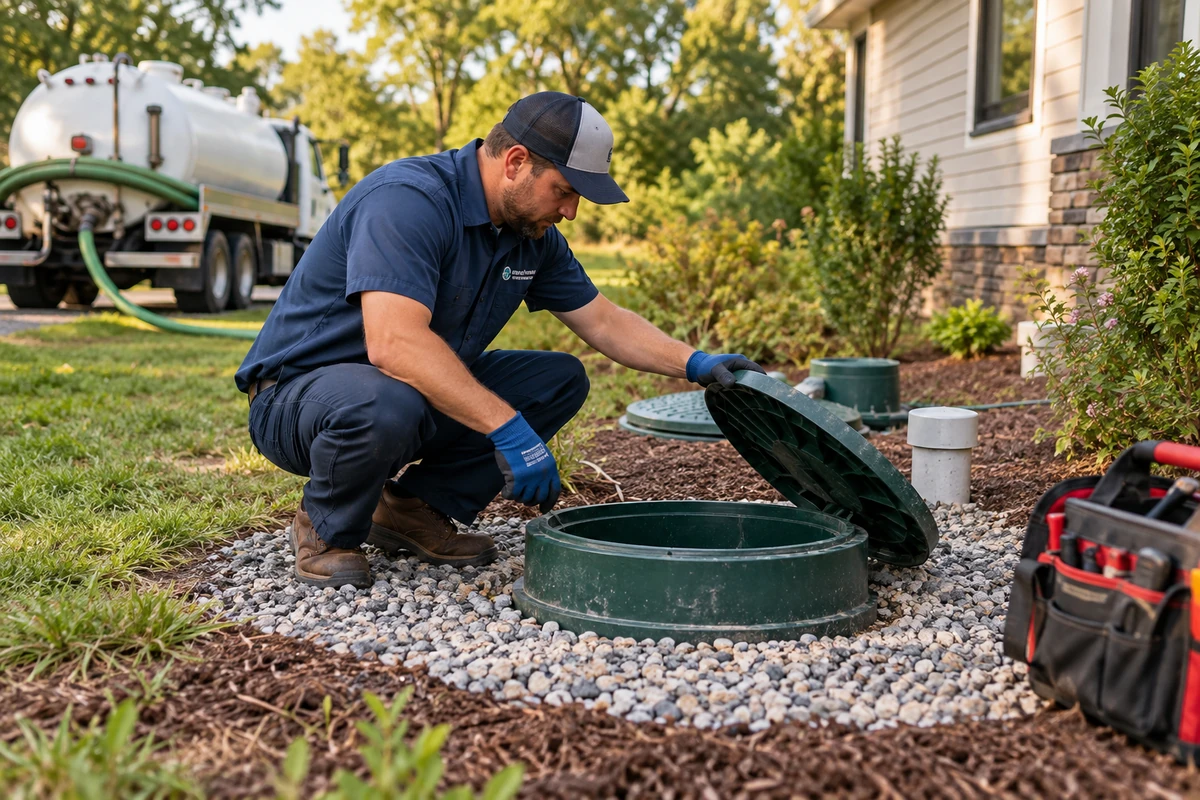
A facility should arrange evaluation when wastewater flow changes, warning signs appear or the maintenance history no longer matches current use. One symptom cannot confirm the cause. A high liquid level may reflect accumulated solids, a restricted outlet, a pump problem or a drainfield that is not accepting effluent normally.
Several toilets, floor drains or sinks drain slowly at the same time.
Wastewater backs up during busy periods or after concentrated water use.
A high-water or pump alarm activates, repeats or stays on.
Sewage odor appears near a tank, pump chamber or drainfield.
Wet or unusually soft ground develops over part of the onsite system.
The tank reaches a high level sooner than the service history would suggest.
Grease, wipes, food solids or other facility waste may have entered the system.
Occupancy, staffing, shifts, fixtures or operating hours have increased.
The property lacks reliable pumping, repair or system-layout records.
A single slow sink may be a local plumbing obstruction. Odor can come from a dry trap or vent condition. Standing rainwater near the system may not be sewage. Diagnosis should follow the wastewater path and compare the symptom with tank level, accessible components, recent weather and facility use.
What Commonly Triggers Commercial Septic Service
Commercial systems respond to both total daily flow and short periods of heavy use. Employee shifts, customer traffic, events, laundry, kitchens and multiple restrooms can create peaks that are not obvious from an annual average. Leaking toilets or fixtures can add continuous flow and reduce the system's recovery time.
Solids and waste type also matter. Food waste, grease and frequent garbage-disposal use can increase the material held in the tank. Wipes, paper products and unsuitable chemicals can obstruct pipes or interfere with treatment. Waste from a commercial process may need separate evaluation because an ordinary onsite sewage system is not designed for every discharge.
System and site conditions can create another set of triggers. Deep or buried access, several tanks, long hose distance, damaged risers, filter buildup, failed pumps, float problems and restricted distribution can change the work. Vehicle traffic, loading areas, construction, stormwater and groundwater can affect buried components or the soil absorption area.
Northern Kentucky Health notes that a commercial-use site evaluation considers the type of business, employee and shift counts, proposed plumbing fixtures and related information. Its Northern Kentucky septic guidance also explains the approval process for new systems and repairs in Boone, Campbell, Grant and Kenton counties. Those regulatory steps are separate from routine pumping or maintenance service.
How Our Commercial Septic Service Process Works
1 Verify the Facility and System
We confirm the property, facility use, known system type, tank or chamber count, access points, operating pattern and service history. Available permits, diagrams and prior records help establish what is present before equipment is positioned.
2 Inspect or Diagnose the Current Condition
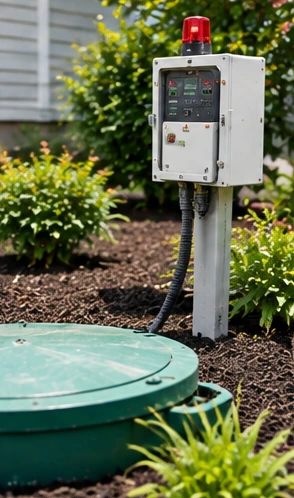
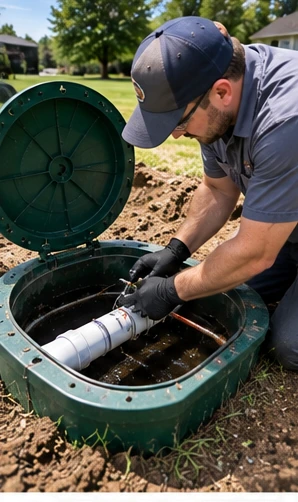
Accessible lids, risers, tanks, liquid levels, inlet and outlet conditions, filters, pump chambers, alarms and visible ground conditions are checked as the scope allows. Current symptoms are compared with recent water use, rainfall and maintenance records.
3 Explain Findings and Service Limits
We separate observed conditions from possible causes. The findings show whether the visit is routine maintenance or whether line, pump, tank, distribution or drainfield work may be needed. Buried or inaccessible components are identified as limits.
4 Approve the Work Scope
The scope identifies the tanks or chambers involved, expected access, pumping or inspection work, site controls and any separate diagnostic task. Facility contacts can then coordinate vehicles, occupants, water use and restricted areas before work begins.
5 Perform the Agreed Service
Pumping, filter service, accessible component checks or other approved work is completed with equipment suited to the site. Material handling and disposal must follow the requirements that apply to the work. Repairs or alterations outside the approved scope remain separate.
6 Verify and Document the Visit
Accessible flow and system response are checked after the work. The service record should state what was serviced, important observations and the next maintenance or diagnostic step. Consistent records help future visits start with better information.
The Kentucky onsite sewage program is administered through local health departments. Kentucky identifies local health department inspectors for site evaluations and inspections and requires certified installers for onsite system installation. Permits, inspections and certifications should be confirmed when work moves beyond routine servicing into repair, alteration or replacement.
How Is a Commercial Maintenance Schedule Set
There is no reliable pumping interval for every commercial facility. A schedule should reflect tank capacity, design flow, actual wastewater use, measured sludge and scum, waste characteristics, system type and maintenance history. A calendar interval copied from a different property can be too frequent or too late.
Start with available system records and the facility's normal and peak use. Record tank levels and conditions at each visit. Then compare how quickly solids accumulate and whether alarms, slow flow or high levels appear between visits. Operational changes such as added shifts, seating, fixtures or laundry can justify an earlier review.
The EPA septic-care guidance identifies wastewater volume, solids volume and tank size as important pumping factors and recommends keeping maintenance records. Those principles support a measurement-based commercial plan, although a facility's system and use may differ substantially from a household system.
What Affects Commercial Septic Service Cost
Commercial septic service cost depends on system size, number of tanks or chambers, access depth, lid location, hose distance, pumping volume, material condition, travel, site controls and the diagnostic work included. A known system with exposed, safe access generally requires less investigative work than a property with buried lids and incomplete records.
Operating conditions can also affect the scope. Restricted vehicle access, traffic control, occupied areas, difficult scheduling, severe weather, unstable soil and long equipment runs may require additional planning. Filter service, line work, pump or alarm diagnosis, excavation, repairs, permits and disposal needs may be separate charges. A Northern Kentucky price range should be published only after current provider pricing or completed jobs support it.
Related Commercial and Septic Services
Commercial Septic Pumping Northern Kentucky
This service focuses on removing tank contents, documenting the pumping visit and identifying visible conditions that may need separate attention.
Holding Tank Pumping Northern Kentucky
This service focuses on tanks that store wastewater for removal rather than sending effluent to a conventional drainfield. Capacity and use determine the pumping plan.
Septic Tank Pumping Covington KY
The homepage covers routine septic tank pumping for Covington properties and explains the broader pumping process, maintenance factors and system care.
Commercial Septic Service Areas Near Covington
Commercial service availability depends on the exact Northern Kentucky address, system type, required equipment, safe site access and current operating territory. Travel or scheduling limits should be confirmed for the facility before service is placed on the maintenance plan.
Review Areas We Serve Near Covington for the website's location directory and the relevant local page.
Frequently Asked Questions
How often should a commercial septic system be pumped?
There is no single interval for every facility. Tank size, design flow, actual use, solids, kitchen activity, system type and measured levels should determine the schedule.
Can commercial service be scheduled around operating hours?
Only promise after-hours or scheduled-route options that the provider actually offers. The plan should coordinate access, traffic, occupants and water use.
What service records are provided?
The published scope should list the real documentation, such as pumping date, volume when recorded, observations, disposal information, photos and recommended follow-up.
How much does commercial septic service northern kentucky cost?
The cost of commercial septic service northern kentucky depends on system size, access, depth, condition, travel, equipment, and any additional diagnosis or repair. Publish a local range only after it is supported by current provider quotes or completed jobs.
Where is commercial septic service northern kentucky available?
Commercial Septic Service Northern Kentucky is available only within the operating provider's confirmed service territory. The final page must name the exact covered communities and explain any travel or scheduling limits before publication.
Find additional answers in Septic Service FAQs.