What Septic Effluent Pump Repair Solves
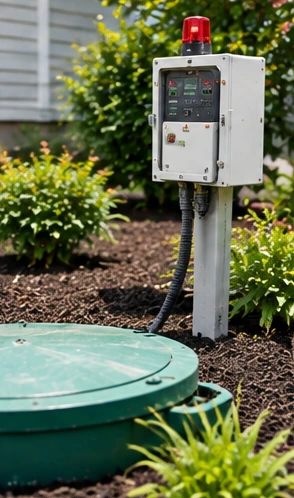
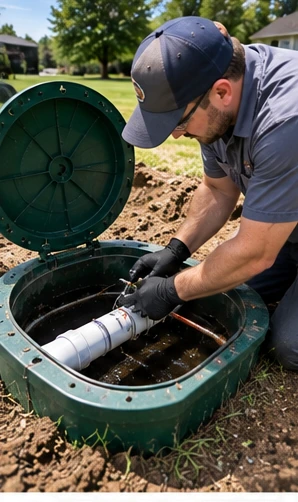
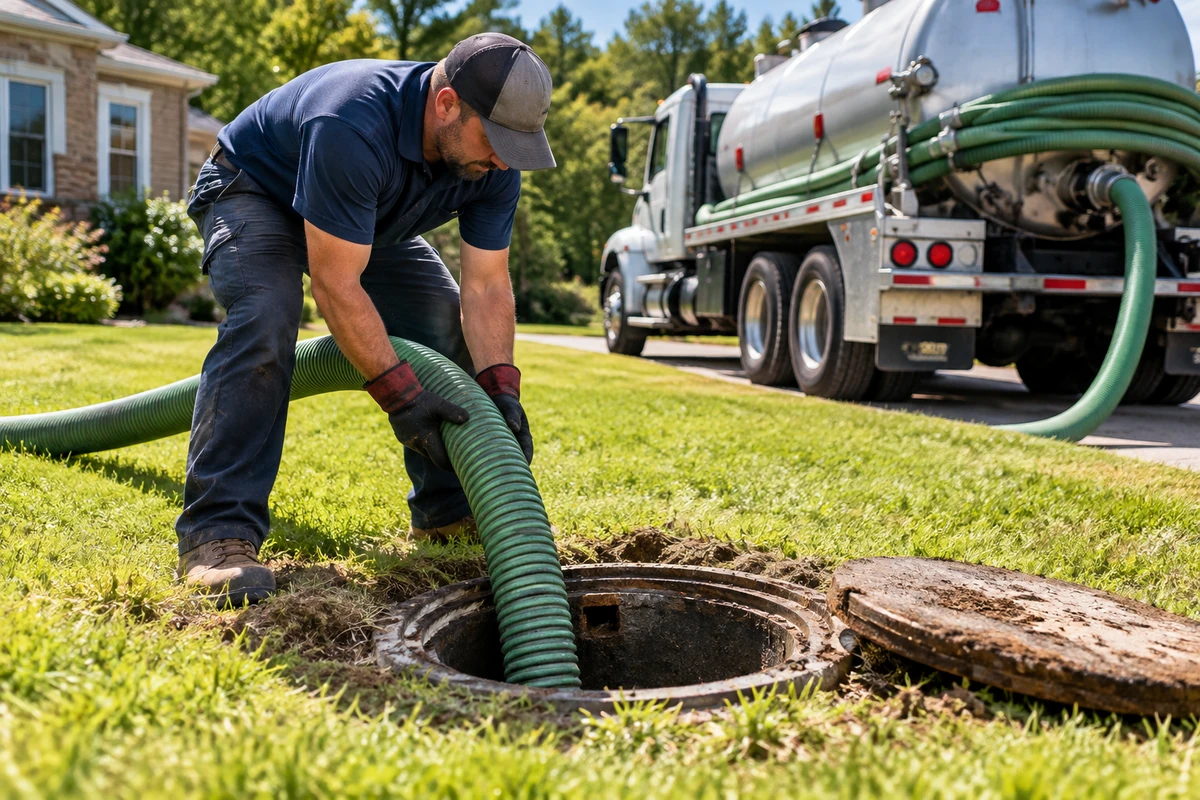
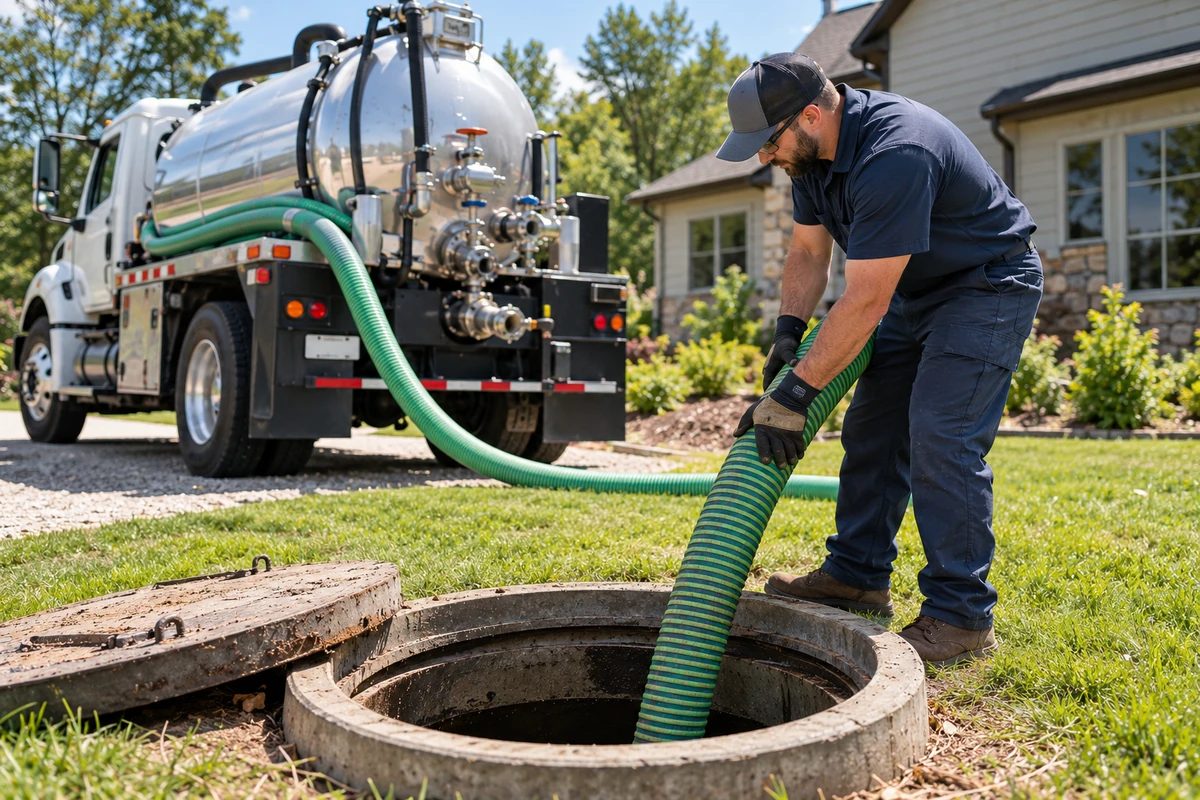
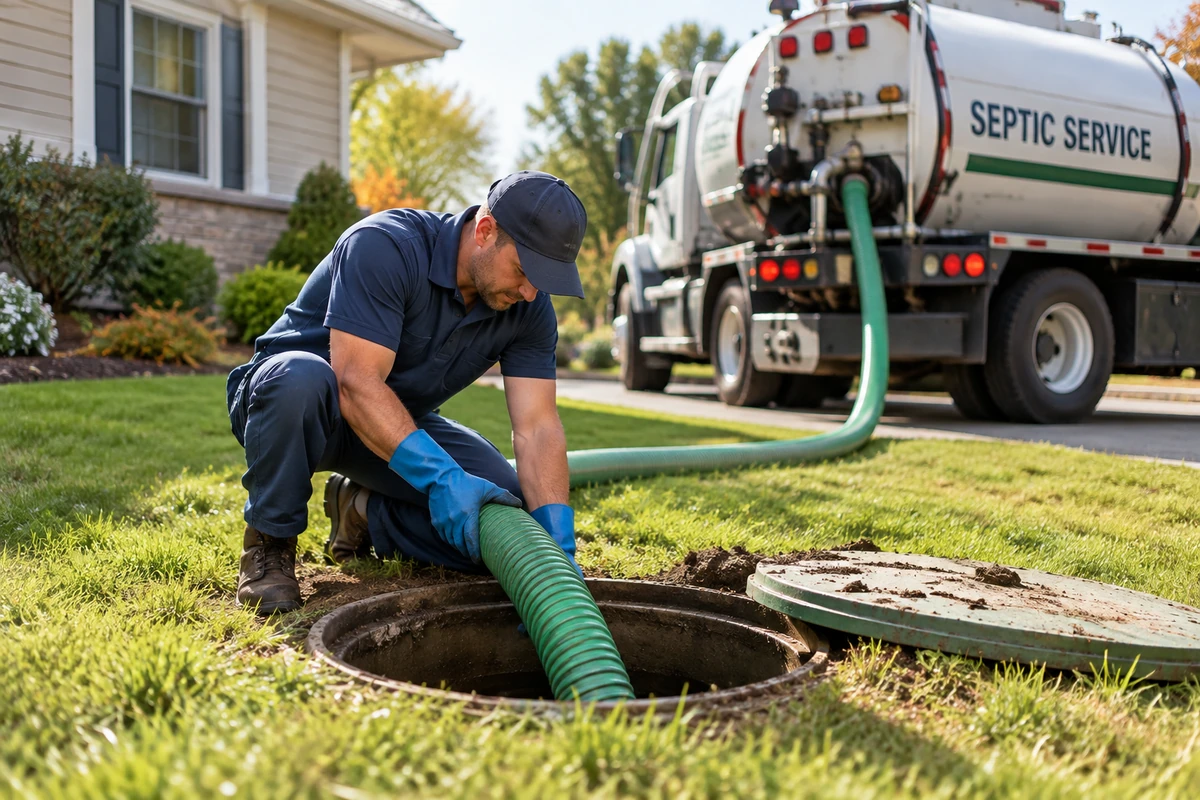
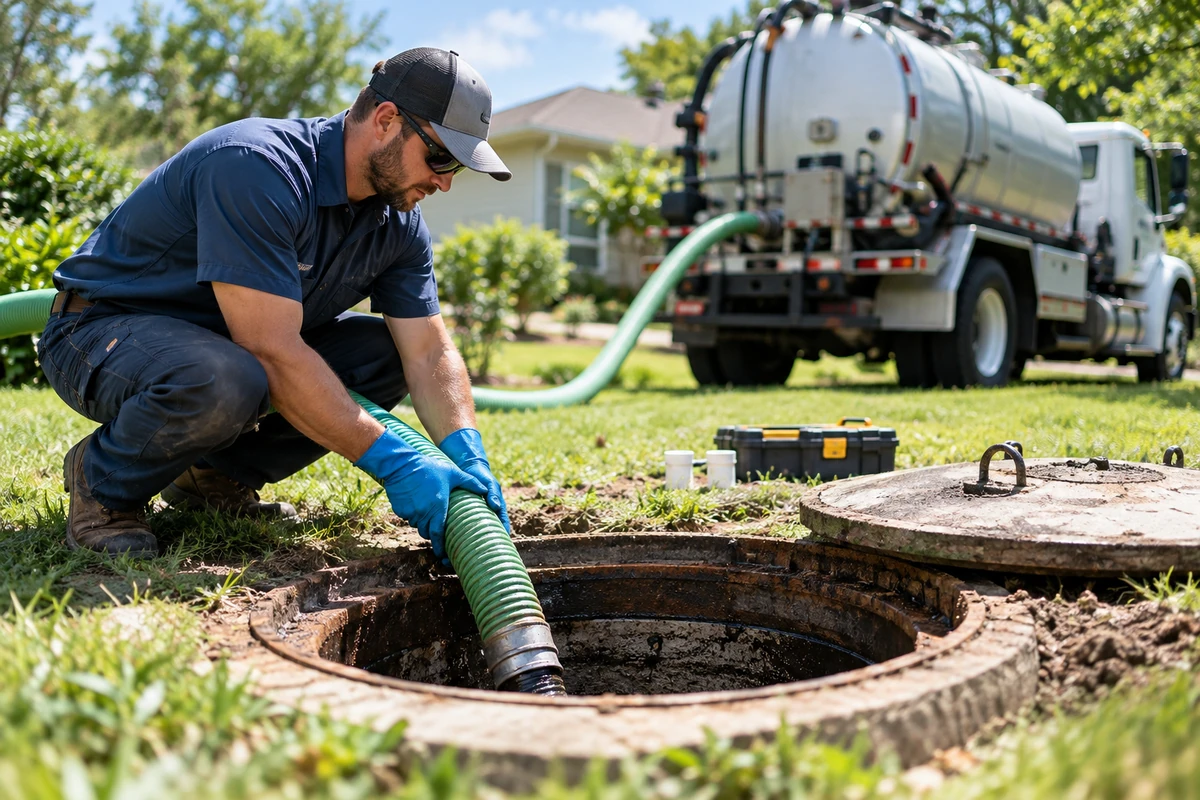
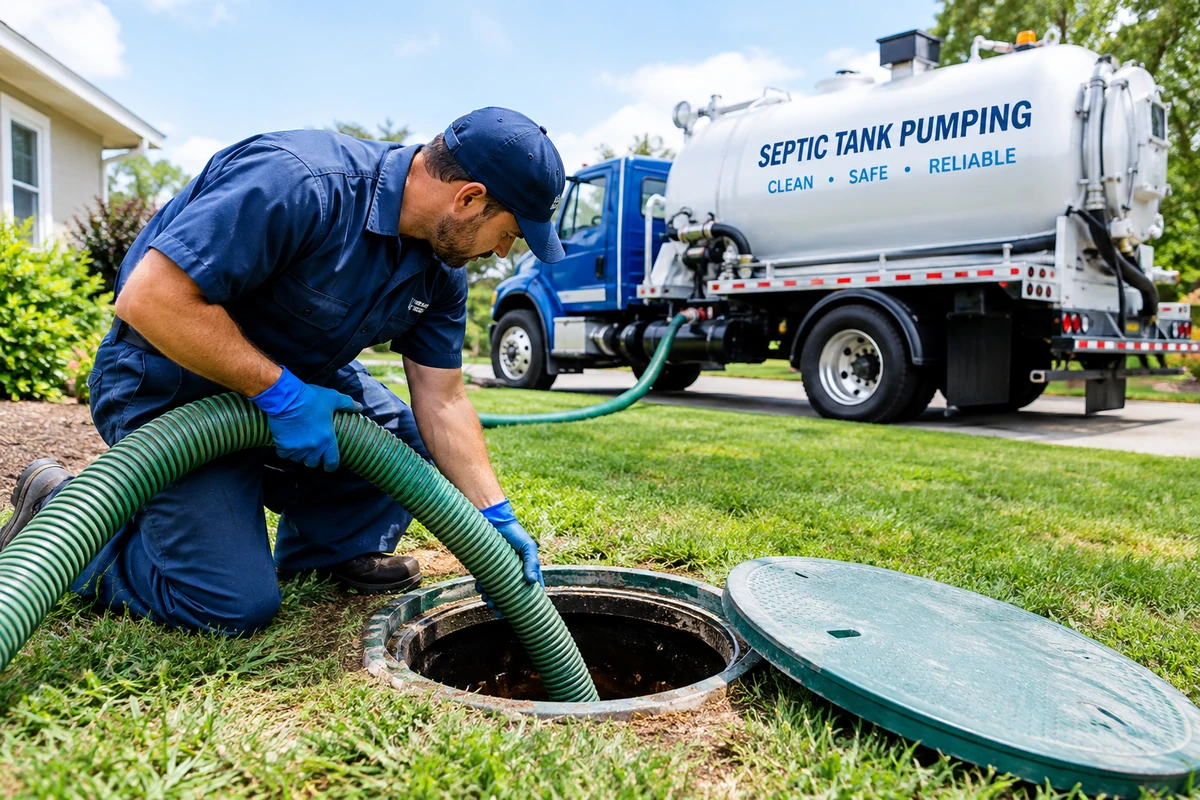
An effluent pump moves liquid that has already passed through a septic tank or pretreatment stage. It may lift that effluent to a higher drainfield or dose a pressurized distribution system. Repair focuses on the pump, intake, discharge connection, check valve and related safe mechanical connections. Pump lifting and replacement equipment, compatible pump components, qualified electrical diagnostic tools, pumping equipment when needed and safety gear may all be part of the confirmed scope.
A pump that will not run is not always defective. A float switch, control panel, timer, breaker or damaged wire may interrupt operation. A running pump may also fail to move effluent because of a blocked intake, worn impeller, failed check valve or restricted discharge. Test the pump and its controls before recommending replacement.
When You May Need Effluent Pump Repair
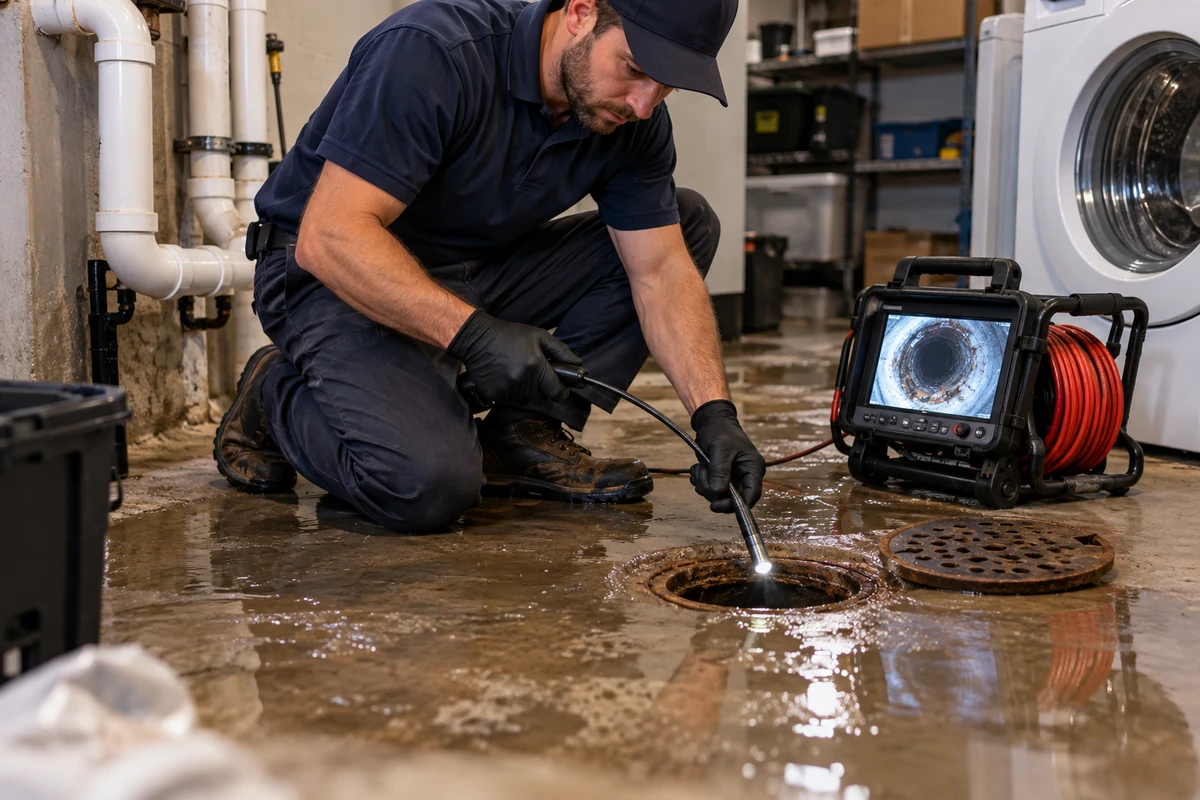
Pump-specific diagnosis may be appropriate when one or more of these conditions appear:
The high-water alarm sounds while the pump does not appear to start.
The pump runs but the liquid level does not fall as expected.
The pump starts repeatedly, runs continuously or stops after a short cycle.
A breaker trips again after one safe reset or the panel shows a pump fault.
The pump makes unusual noise, vibrates, overheats or produces weak flow.
A discharge fitting, check valve or accessible mechanical connection leaks.
These signs do not prove that the pump has failed. High inflow, a stuck float, control fault, frozen or blocked discharge, or a downstream restriction can produce similar symptoms. Reduce water use when the liquid level is high. Do not enter the chamber, reach into wastewater, handle wet wiring or bypass a float, alarm or protective device.
How We Handle Septic Effluent Pump Repair
1 Triage Water Use and Immediate Risk
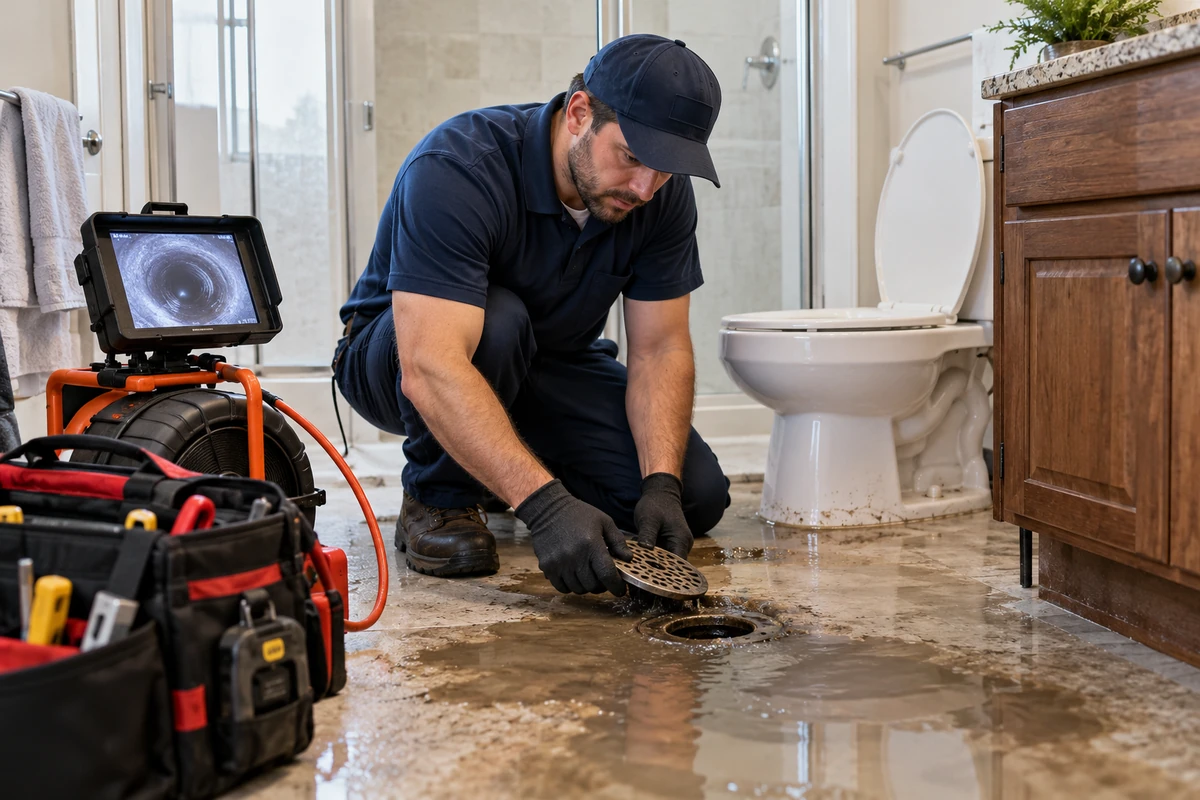
We establish the alarm condition, wastewater level, reported pump behavior and whether continued flow could cause a backup or overflow. The work area and access opening are kept controlled.
2 Inspect the Level and Alarm State
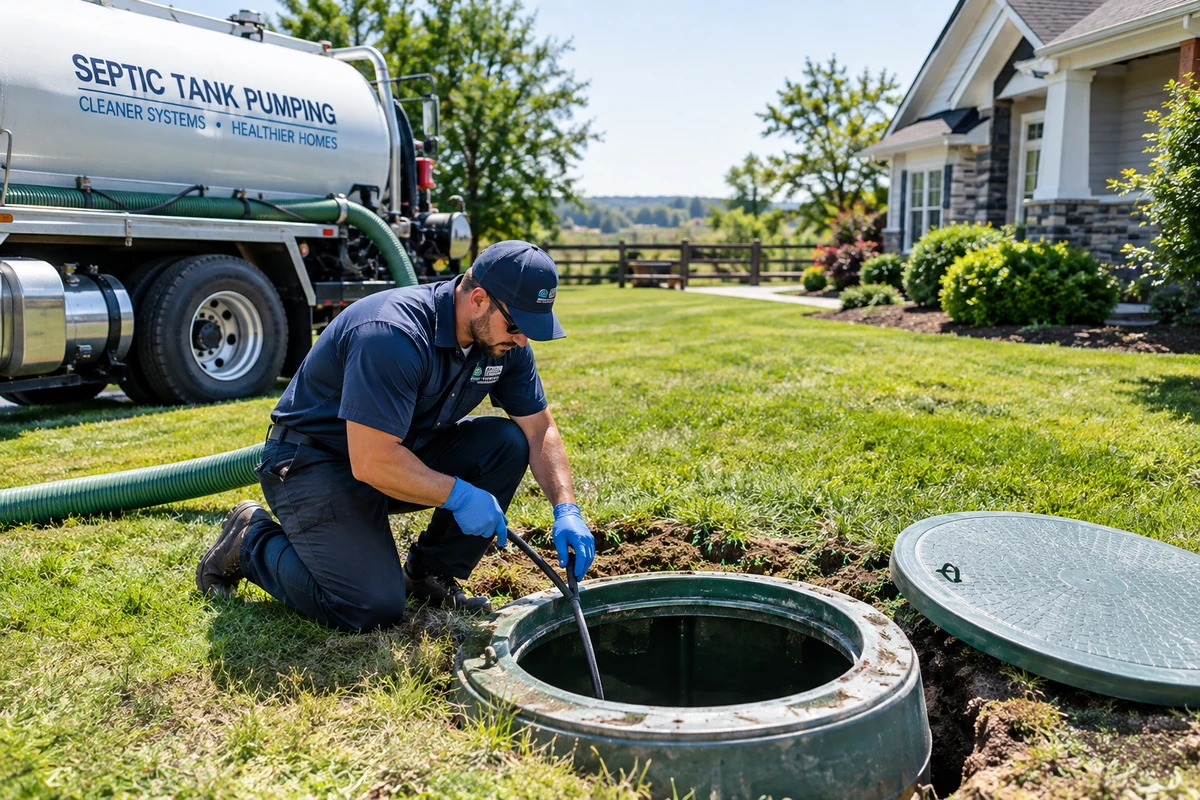
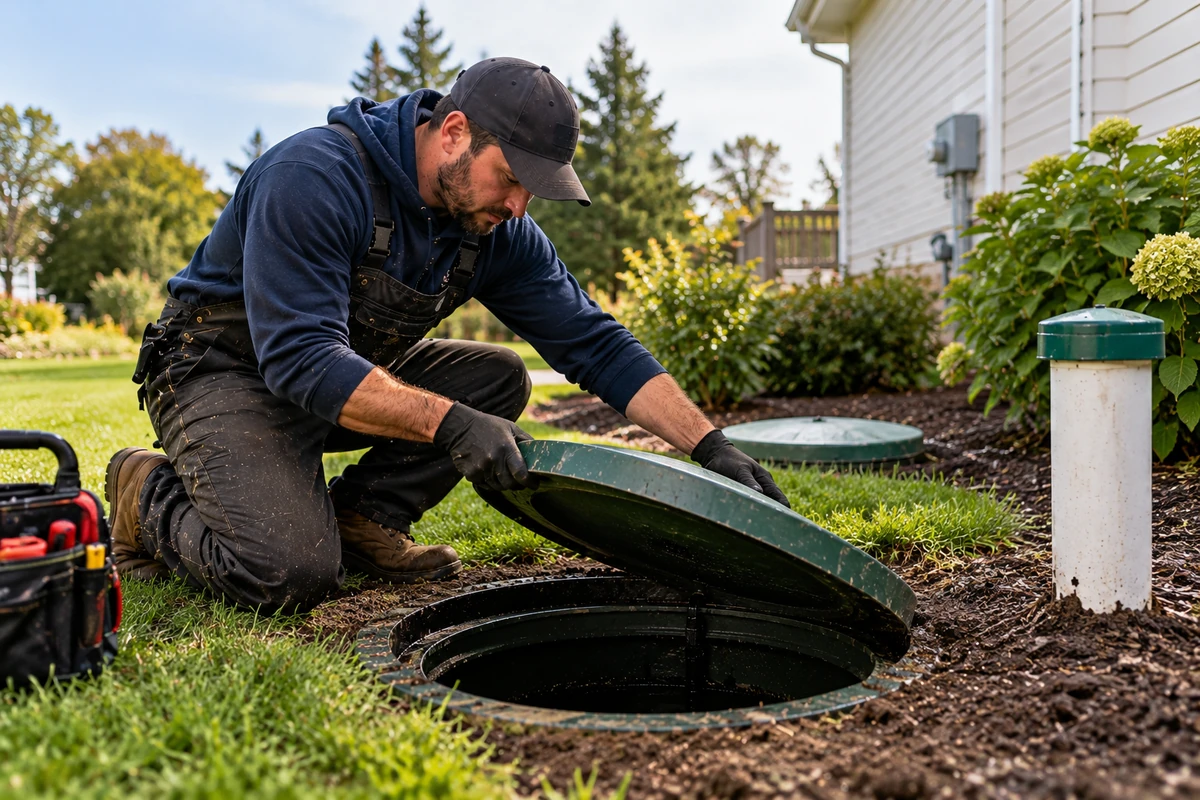
The pump tank or dosing tank, accessible panel status, float positions, discharge route and visible connections are reviewed. Pumping may be needed before a submerged component can be reached safely.
3 Test the Pump and Controls
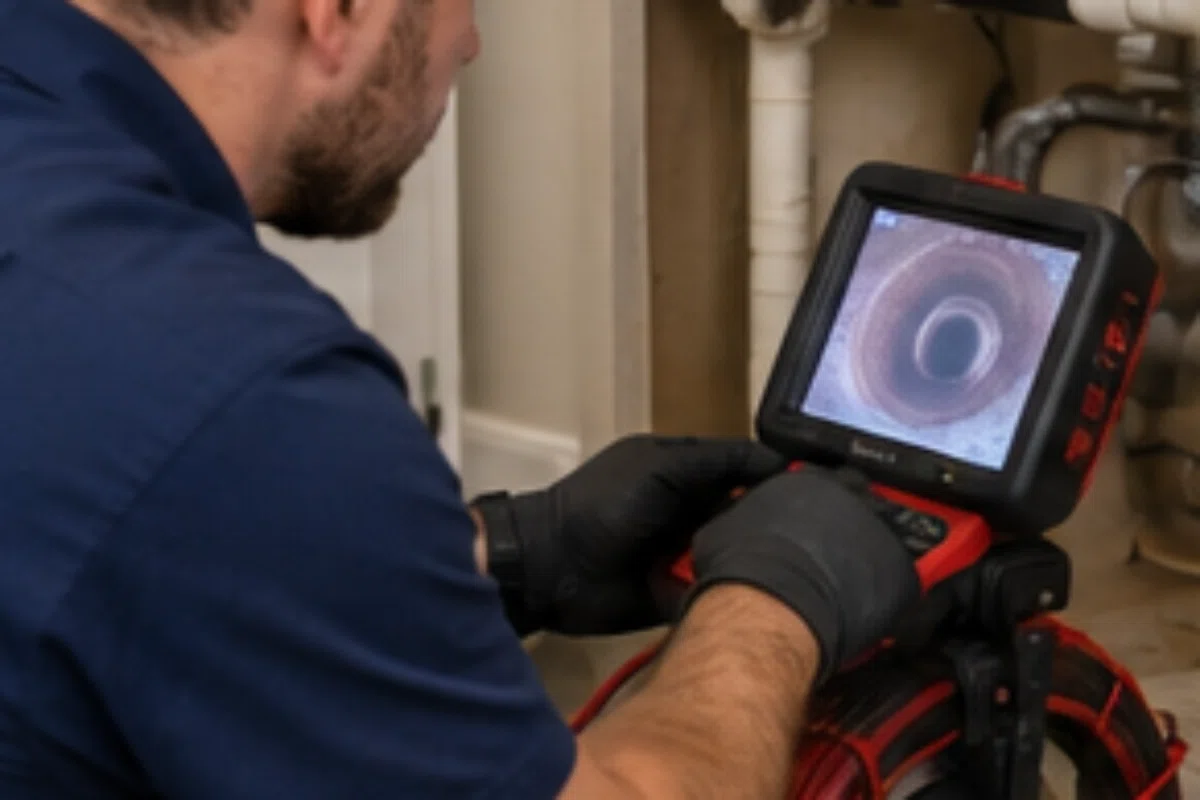
Appropriately qualified personnel test the pump and related controls within the permitted scope. The diagnosis separates a pump fault from a float, timer, alarm, power or downstream problem.
4 Clear Safe Obstructions
Reachable debris or a confirmed obstruction is addressed only when removal can be completed without entering the tank or defeating electrical protection. The discharge path is checked within the agreed scope.
5 Repair or Replace Compatible Parts
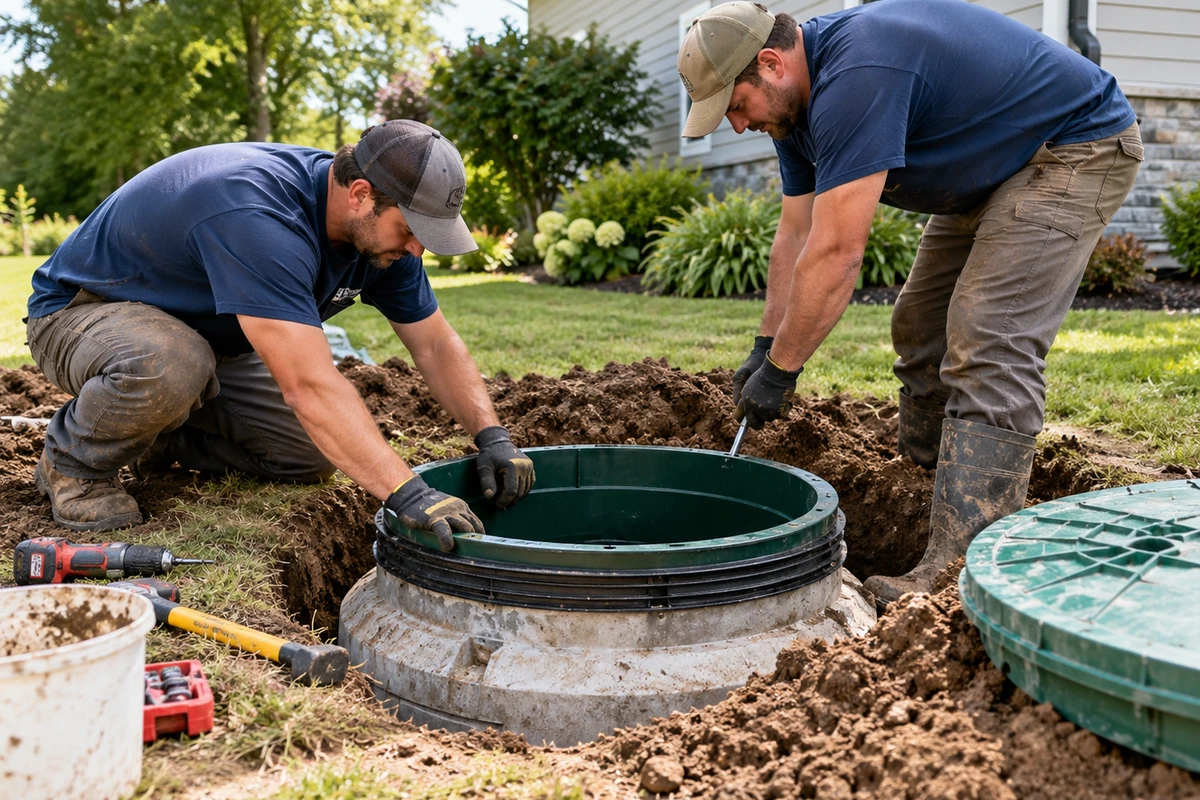
Mechanical connections are repaired or the failed pump is replaced with a component that matches the system design, capacity, discharge requirements and manufacturer instructions. Alterations remain subject to applicable permit and qualification rules.
6 Verify and Document Operation
The pump cycle, liquid movement, accessible connections and related alarm response are checked. The service record identifies findings, work completed, component details and any unresolved control, line or drainfield concern.
Kentucky's onsite-system component standards treat pump or dosing tanks and their equipment as onsite-system components and address automatic pump controls and high-water alarms. The Northern Kentucky Health Department provides septic oversight in Boone, Campbell, Grant and Kenton counties and describes repair-permit steps. Qualifications and permit needs depend on the system and work performed.
The EPA's septic-care guidance notes that systems with pumps, electrical float switches or other mechanical parts generally need more frequent inspection. Maintenance records should document the condition found and work completed.
What Affects Septic Effluent Pump Repair Cost
Cost depends on access, tank depth, liquid level, diagnosis time, pump capacity, component compatibility, lifting needs, electrical testing, pumping, discharge condition and travel. A reachable loose connection differs from a submerged failed pump or restricted line. No Northern Kentucky range should be published until current provider quotes or completed jobs support it.
Related Pump and Alarm Services
For complete system diagnosis, including floats, timers, alarms and panels, see Septic Pump & Alarm Service Northern Kentucky.
For control-side faults, see Septic Alarm, Float & Control Repair Northern Kentucky.
For the site's primary pumping topic, see Septic Tank Pumping Covington KY.
Covington and Kenton County are the location focus. Addresses in South Covington, Independence, Taylor Mill, Ryland Heights, Morning View, Piner, Kenton, Walton, Burlington, Union, Alexandria, Crittenden, Williamstown and Falmouth require coverage confirmation rather than an assumption based on proximity.
Review Areas We Serve Near Covington for the location directory and applicable coverage details.
Frequently Asked Questions
Can I keep using water when the septic pump is not working?
Reduce water use until the cause is diagnosed. Continued flow can raise the liquid level and cause backup or overflow.
How much does septic effluent pump repair northern kentucky cost?
The cost of septic effluent pump repair northern kentucky depends on system size, access, depth, condition, travel, equipment, and any additional diagnosis or repair. Publish a local range only after it is supported by current provider quotes or completed jobs.
How does this page differ from Septic Pump & Alarm Service Northern Kentucky?
This child page owns pump repair; the parent covers the complete pump-and-alarm system.