What Overflowing Septic Tank Service Solves
This service focuses on liquid escaping around the septic tank rather than wastewater entering the building. The goals are to reduce exposure, check the tank level and determine whether pumping can provide safe access or temporary relief.
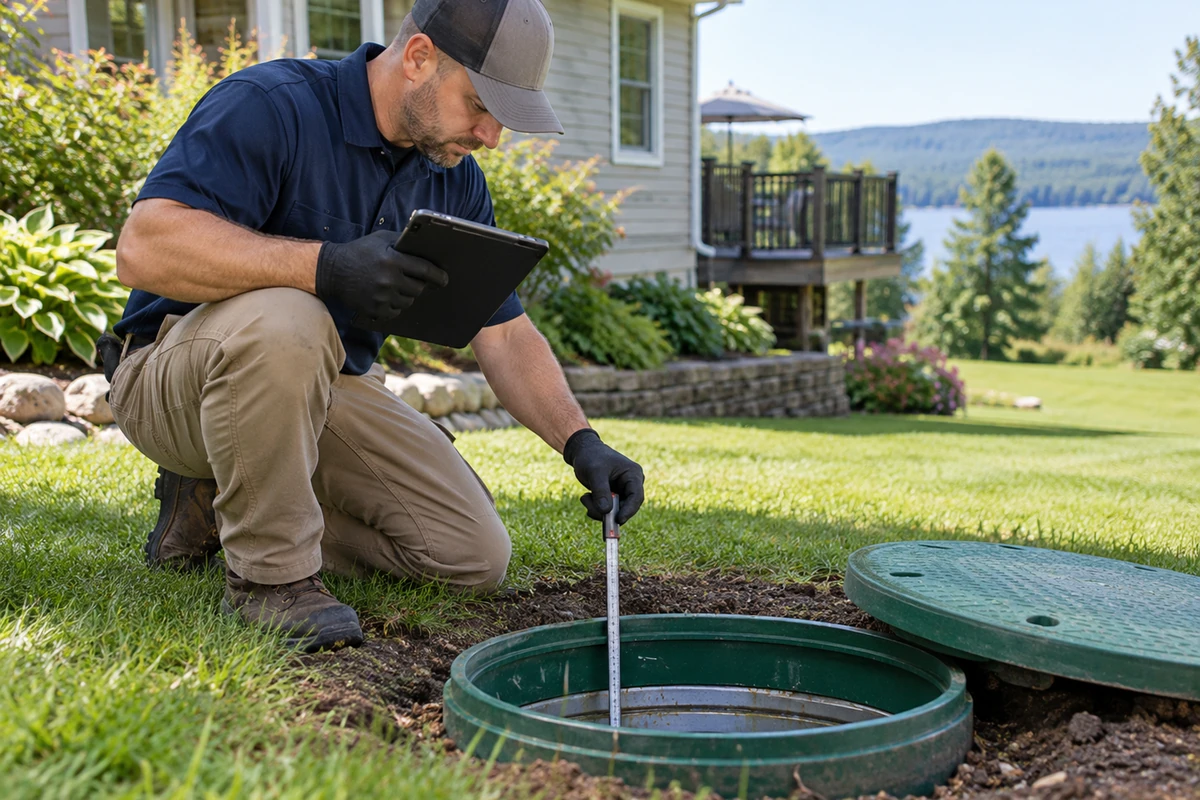
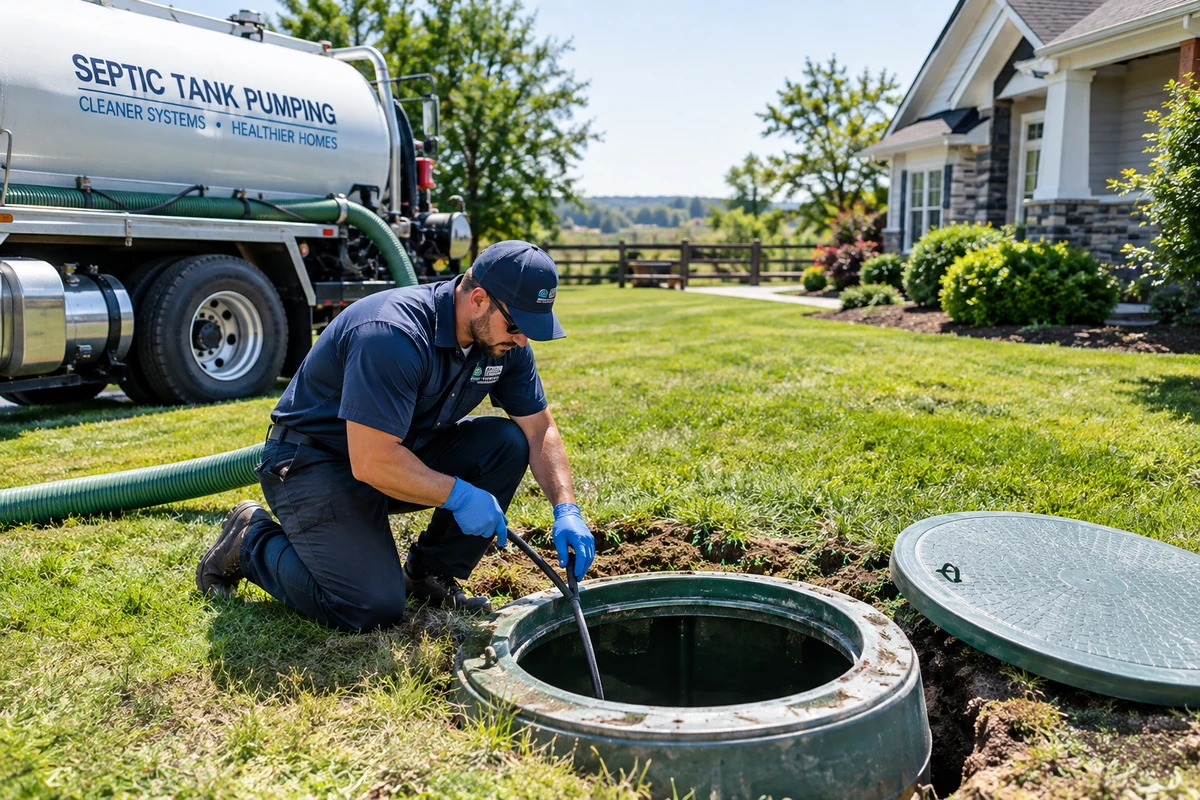
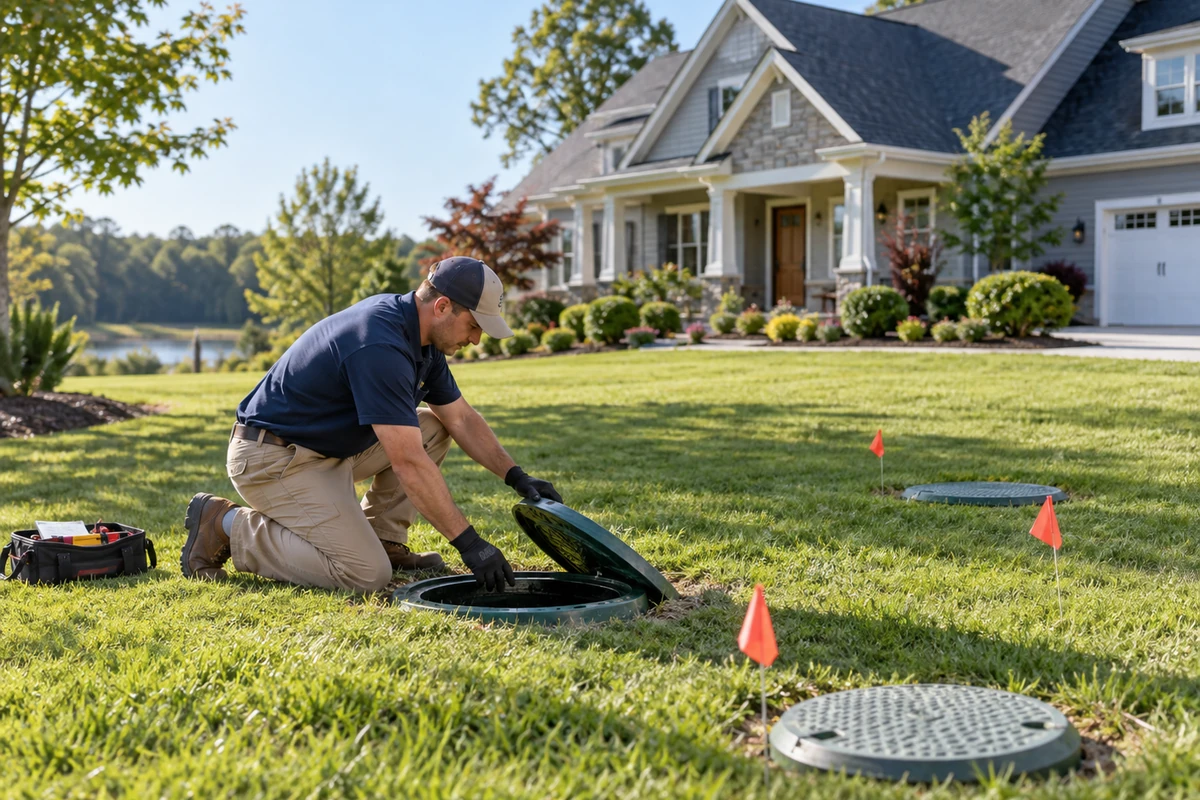
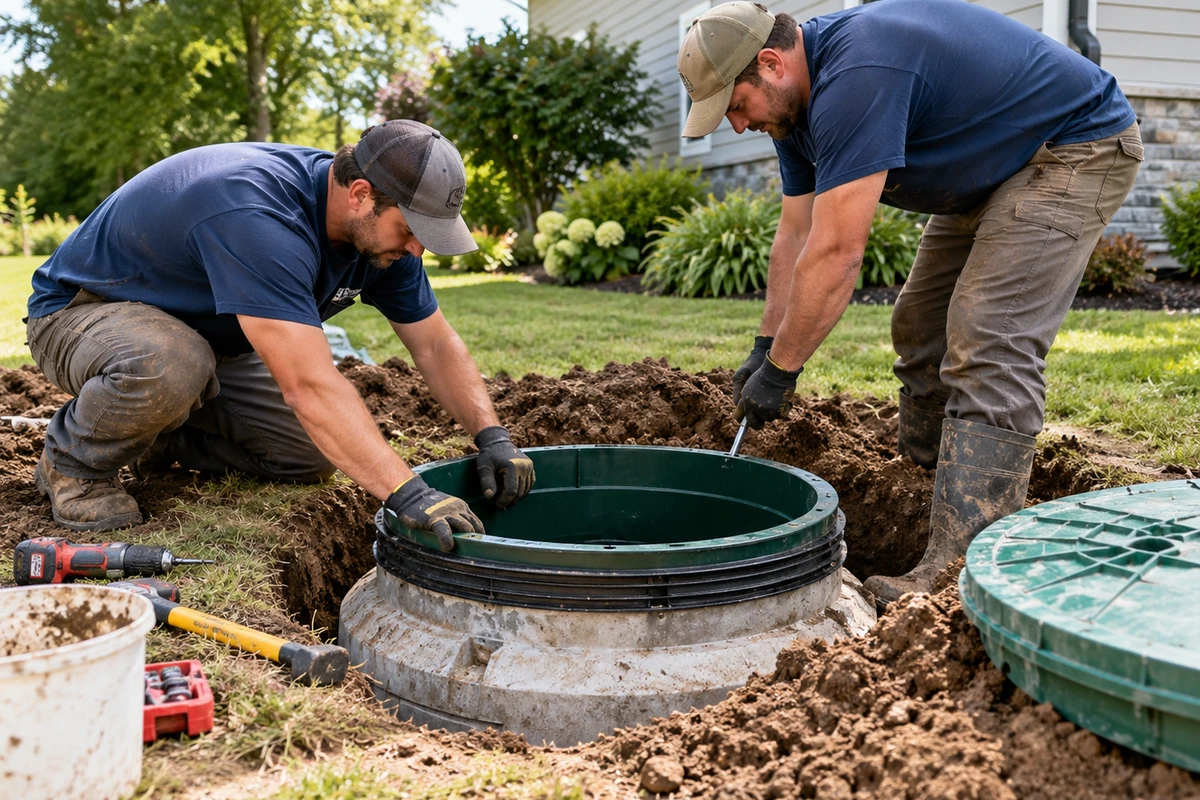
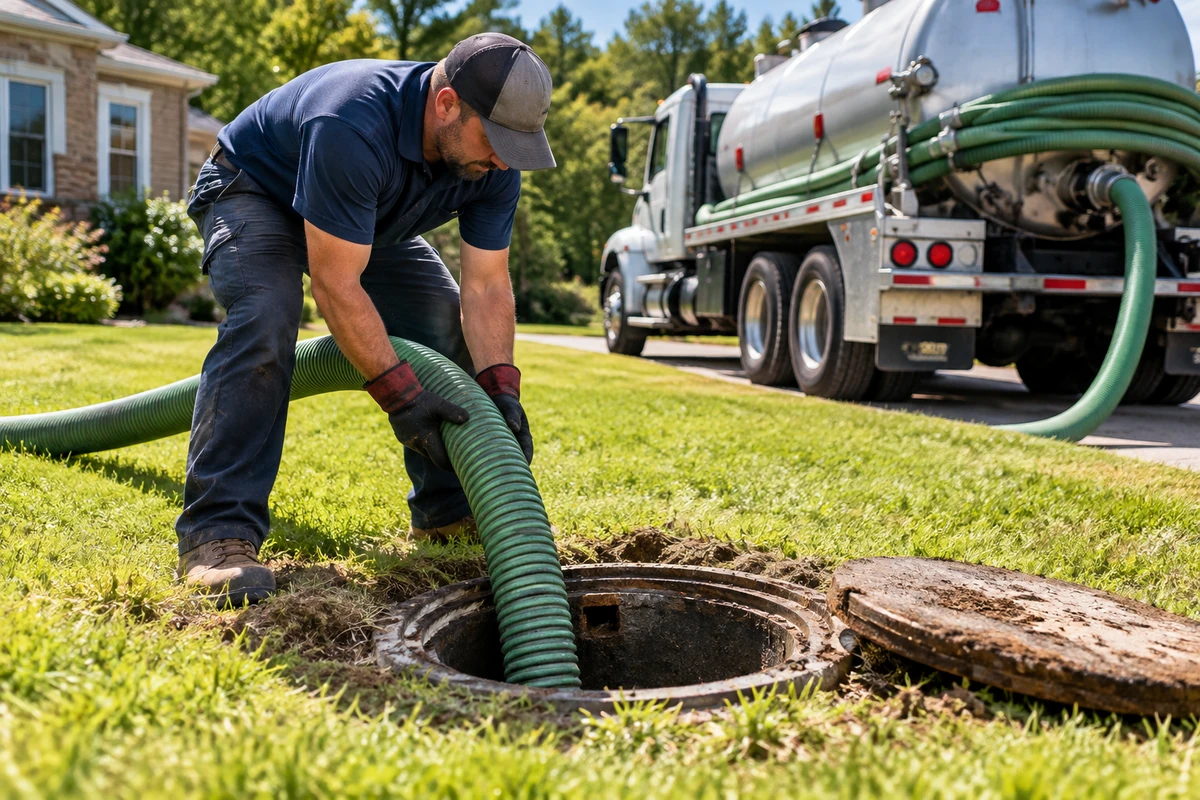
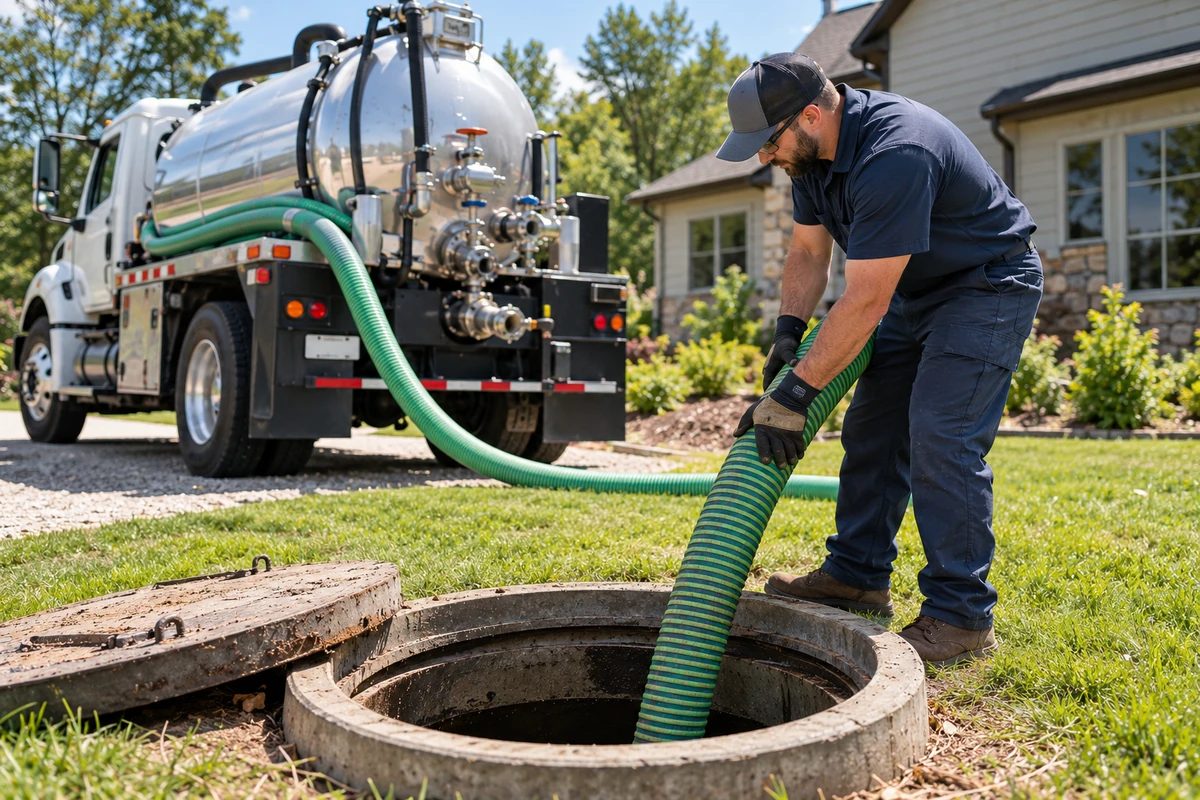
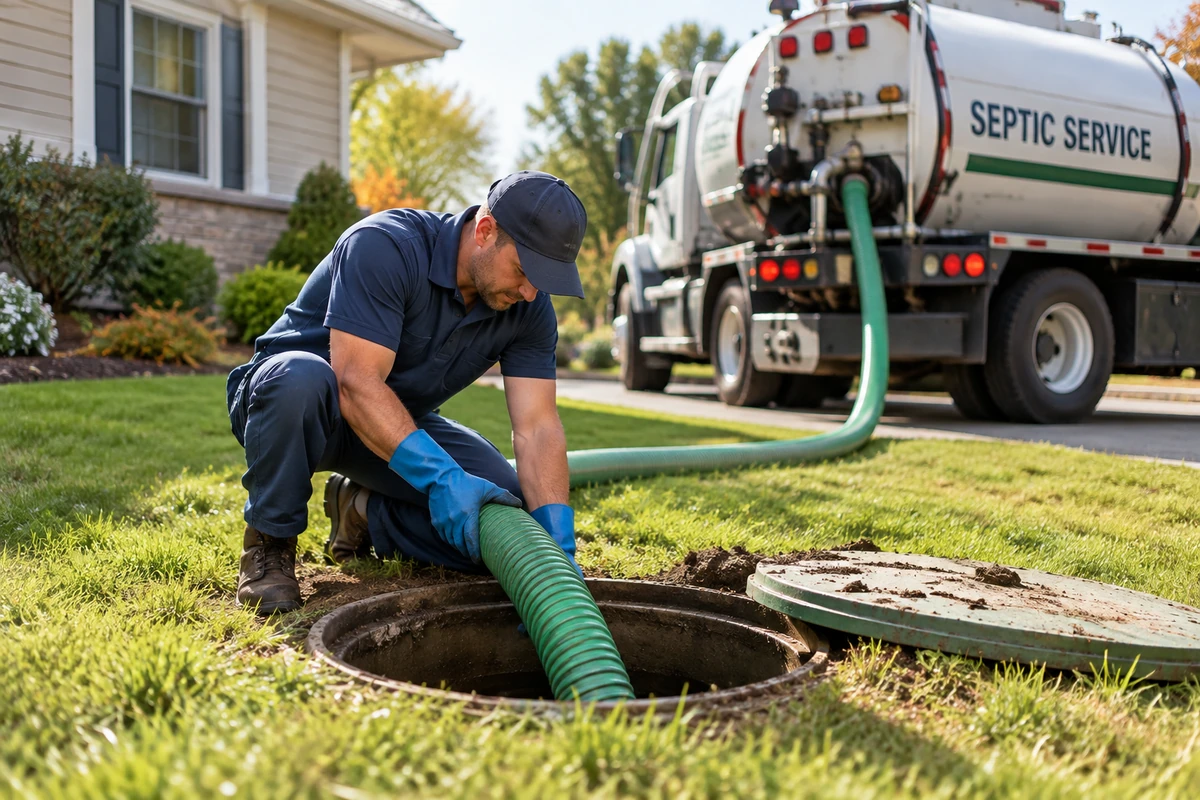
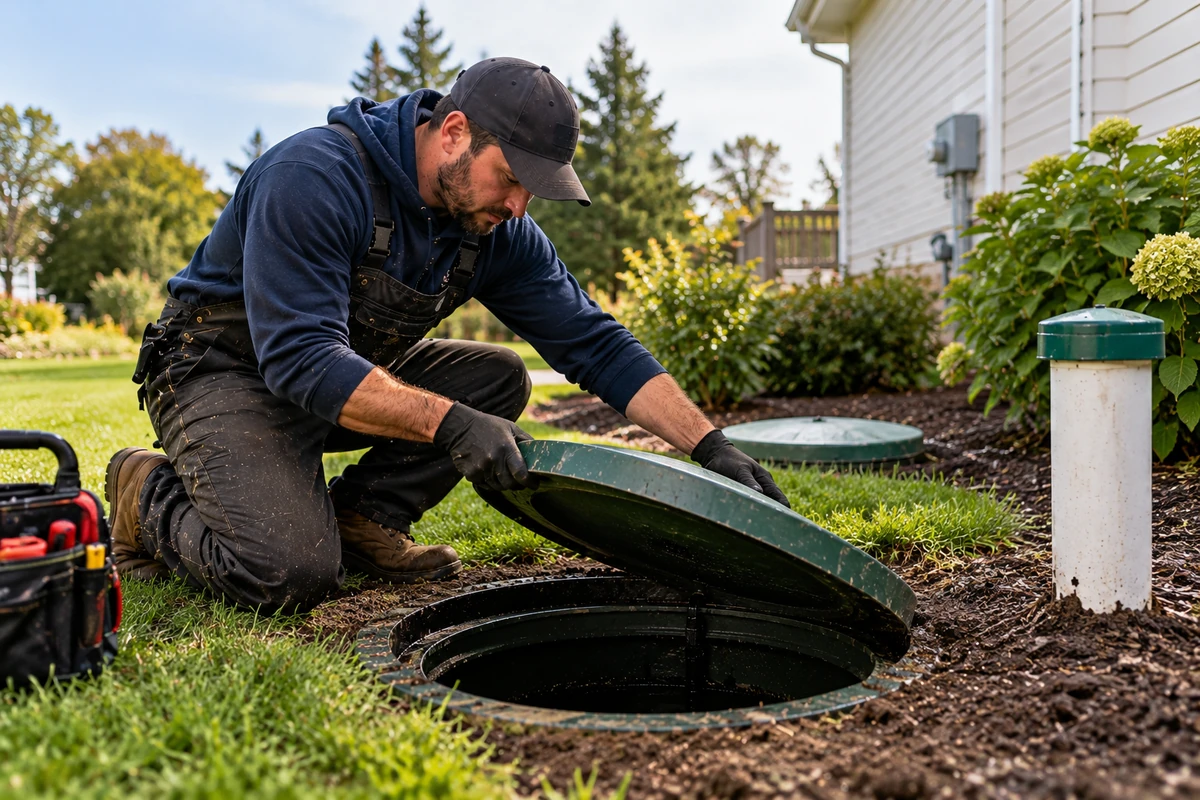
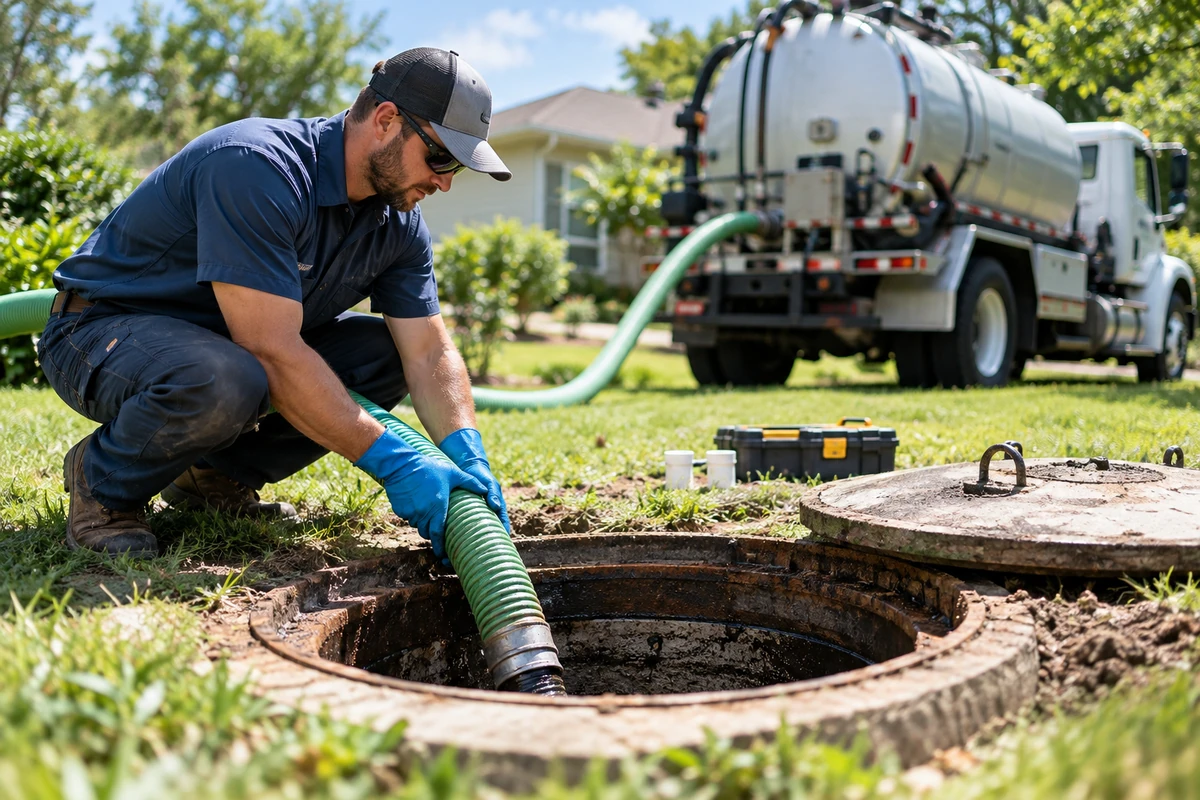
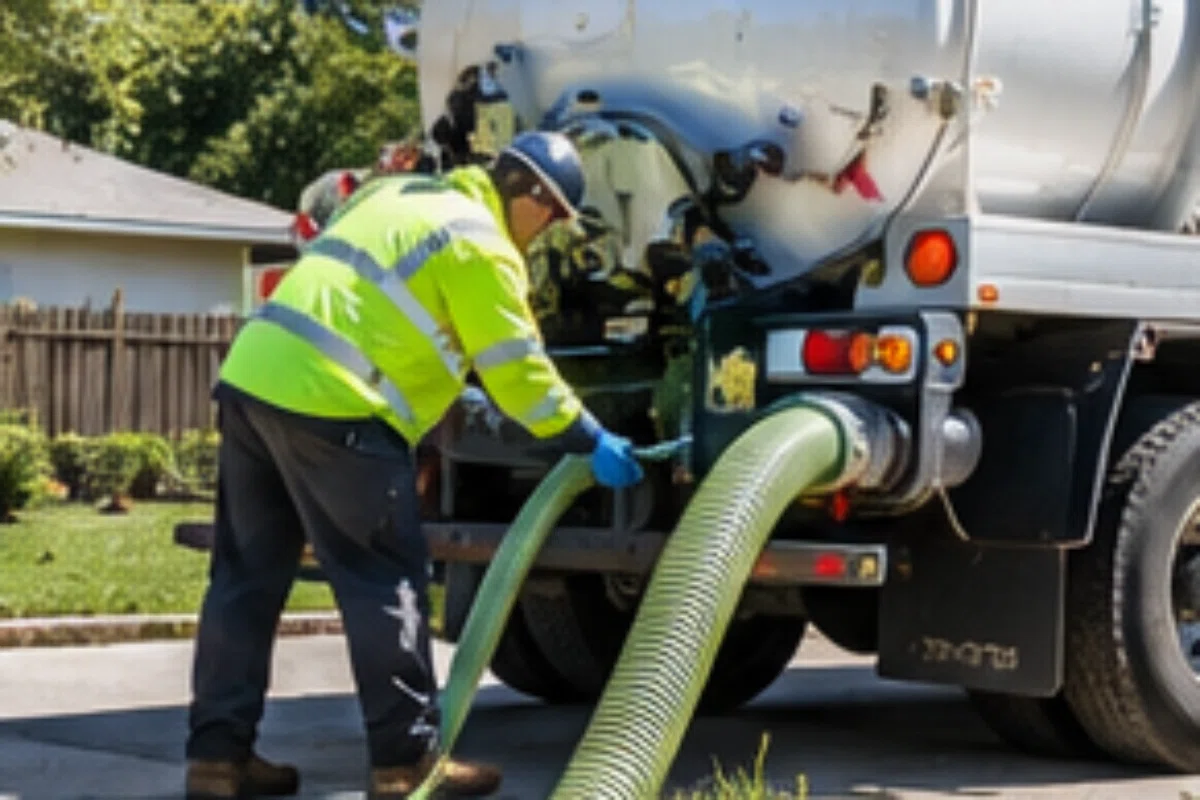
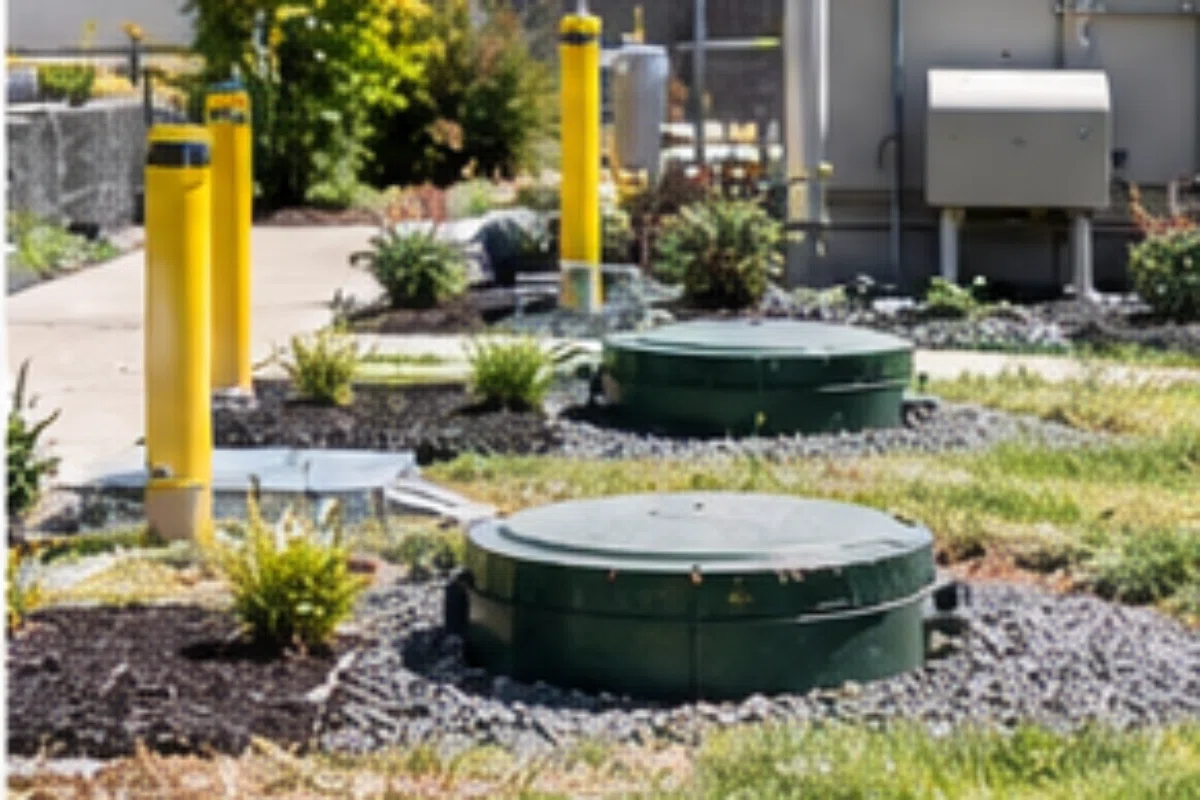
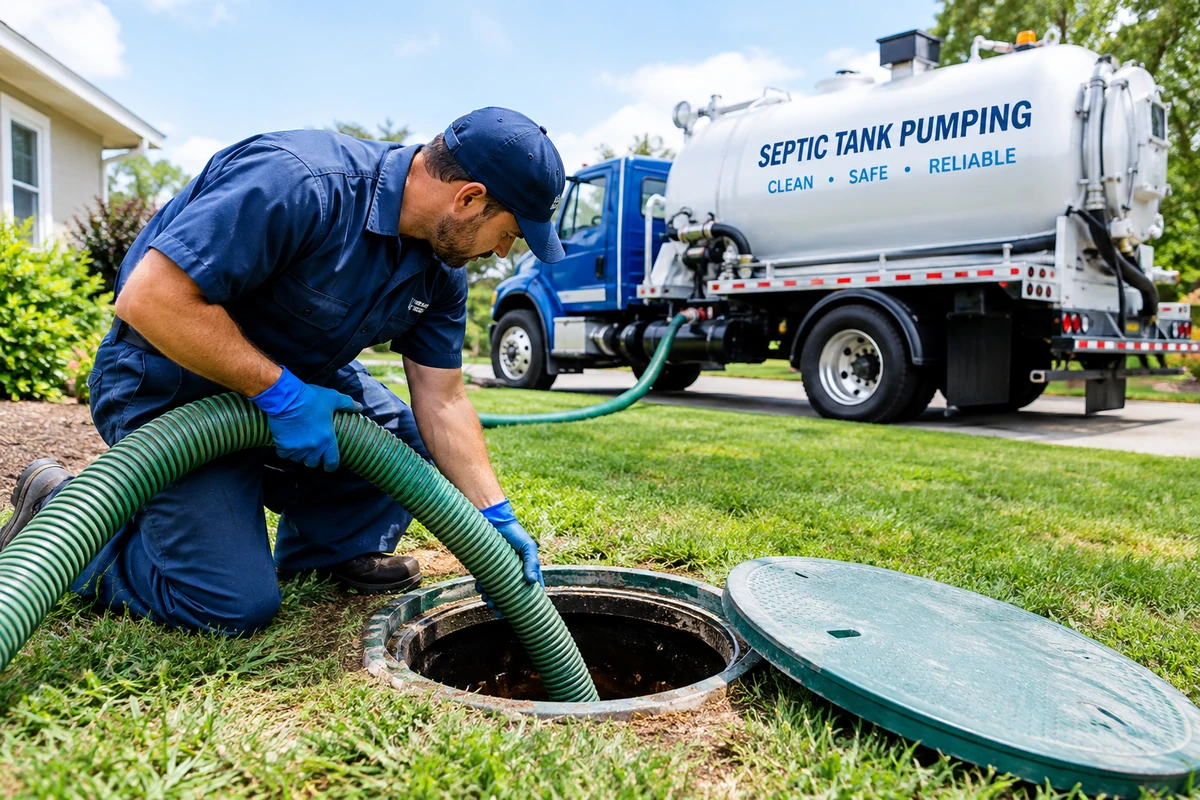
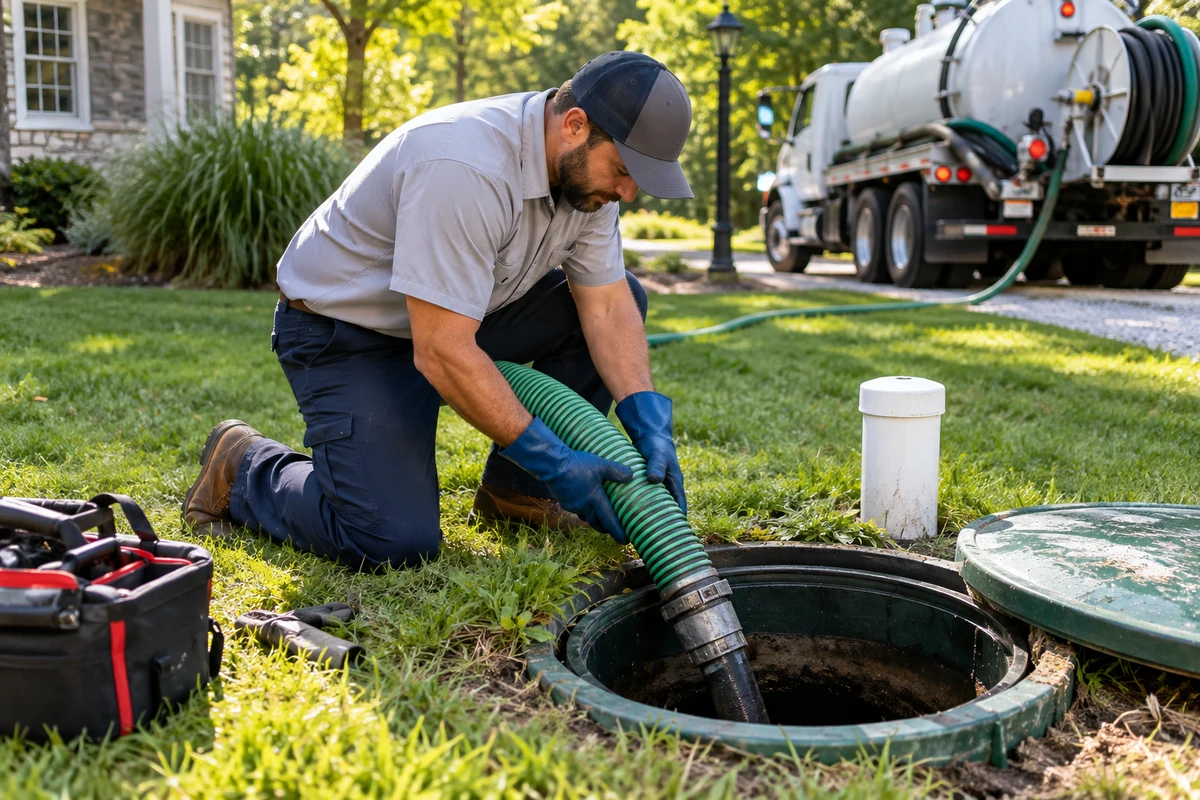
When conditions allow, work may include locating and opening safe access, checking the liquid level, inspecting the inlet and outlet, evaluating visible baffles or tees, checking an effluent filter or pump chamber and pumping with a vacuum truck. Hoses, access tools, protective equipment, containment supplies and diagnostic equipment are selected for the site.
Pumping does not prove why the tank overflowed. A blocked outlet, failed effluent pump, stuck float, damaged pipe, saturated drainfield, groundwater entry or heavy household water use can keep the level high. A cracked tank or displaced riser can also allow leakage even when solids accumulation is not the main problem.
What Should You Do When Wastewater Surfaces Near the Tank?
Stop toilets, showers, laundry, dishwashing and other unnecessary water use. Keep children, pets and visitors away from the wet area. Avoid direct contact, do not drive over softened ground and never enter the tank or lean over an open lid. Stay clear of exposed electrical controls, pumps or wiring.
The EPA guidance on septic system malfunctions identifies standing water or damp spots over the tank or drainfield as a possible sign of failure. Sewage can contain harmful pathogens, so contaminated soil and liquid should be treated as a health risk rather than ordinary stormwater.
Mark or block access to the affected area without stepping into unstable soil.
Note whether liquid is coming from the lid, riser seam, pipe connection or nearby ground.
Record recent rain, laundry, guests, running toilets, alarms and the last pumping date.
When May the Tank Be Overflowing?
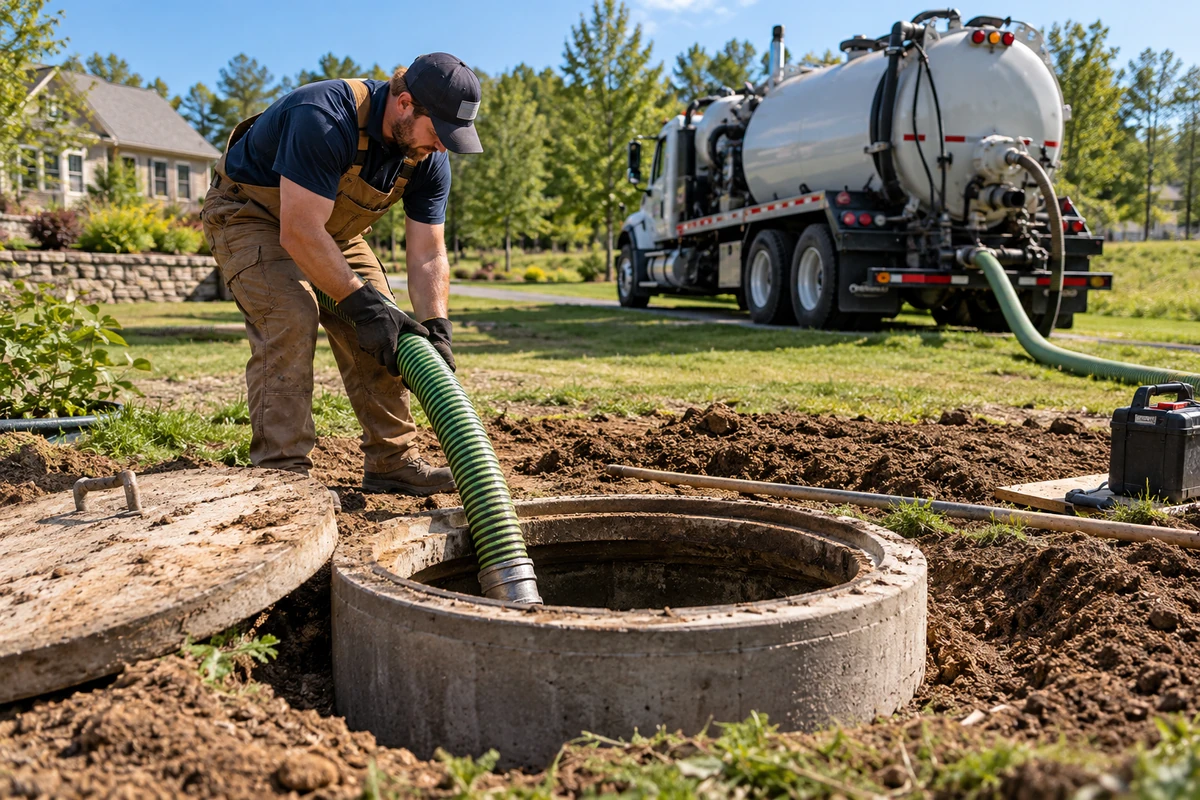
Visible wastewater near the tank needs prompt evaluation, but location alone does not identify the failed component. Rainwater can collect around low access points, groundwater can enter a damaged tank and a downstream restriction can force liquid upward.
Wastewater or solids rise around a lid, riser or inspection opening.
The tank level is above the outlet or reaches the access opening.
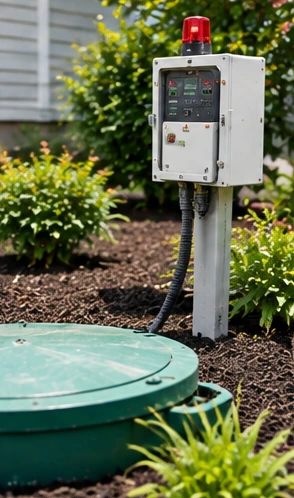
A high-water alarm is active and the pump chamber continues to rise.
Overflow returns soon after pumping, suggesting a downstream or infiltration problem.
The surrounding ground is wet, sewage-smelling or unusually soft during dry weather.
Surfacing farther across the drainfield may indicate a soil-absorption problem rather than tank overflow. Likewise, a single indoor fixture clog belongs to plumbing or line diagnosis. The exact location and tank level help keep the service focused on the right part of the system.
How We Handle an Overflowing Septic Tank
1. Secure the Area and Reduce Flow
We identify where wastewater is surfacing, whether people or animals are exposed and whether unstable soil, damaged lids or electricity creates an immediate safety concern.
2. Inspect Safe Access and Tank Level
The tank, riser, lid and surrounding ground are inspected as conditions allow. Liquid level, inlet flow, outlet condition, visible components and any pump or alarm evidence help define the problem.
3. Pump When Appropriate
The tank may be pumped to reduce liquid, remove accumulated solids and create inspection access. Pumping volume, hose distance, vehicle placement and lawful material handling are recorded within the agreed scope.
4. Check for Obvious Upstream or Downstream Problems
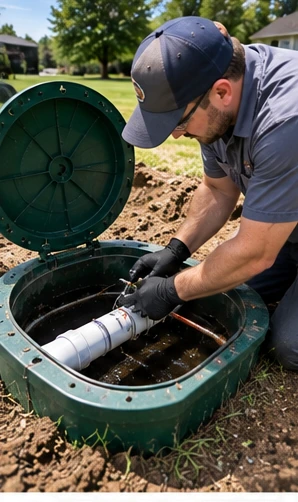
The inlet, outlet, effluent filter, pump chamber, alarm and nearby ground are checked as applicable. Rapid refilling, abnormal inflow or restricted outflow can show that pumping alone will not solve the problem.
5. Verify and Document the Next Step
After work, accessible flow and tank response are checked. The service record should identify conditions observed, work completed and any recommended line, pump, tank or drainfield evaluation.
What Affects Overflowing Septic Tank Service Cost?
Cost depends on tank size, access depth, lid location, hose distance, pumping volume, travel, timing, weather, diagnostic work and any pump, alarm, line or component service. Buried access, multiple tanks, heavy solids, flooding and difficult vehicle placement can change the work. A local range should appear only when supported by current provider pricing or completed Northern Kentucky jobs.
Related Emergency and Septic Services
For all urgent septic conditions, see Emergency Septic Service Covington.
For sewage entering toilets, tubs or floor drains, see Septic Backup Emergency Covington.
Routine tank emptying is covered under Septic Tank Pumping Covington KY.
Review Areas We Serve Near Covington for the planned Covington and Northern Kentucky coverage area.
Frequently Asked Questions
Is wastewater around the septic tank dangerous?
Yes. Surfacing sewage can expose people and animals to pathogens. Keep the area isolated, avoid direct contact and obtain professional evaluation promptly.
How much does overflowing septic tank service covington cost?
The cost of overflowing septic tank service covington depends on system size, access, depth, condition, travel, equipment, and any additional diagnosis or repair. Publish a local range only after it is supported by current provider quotes or completed jobs.
How does this page differ from Emergency Septic Service Covington?
This child page owns tank-overflow intent; field surfacing remains covered by drainfield pages.